.svg&w=384&q=75 "GoalGist logo")
Chelsea Faces £10m Fine and Suspended Transfer Ban After FA Breaches
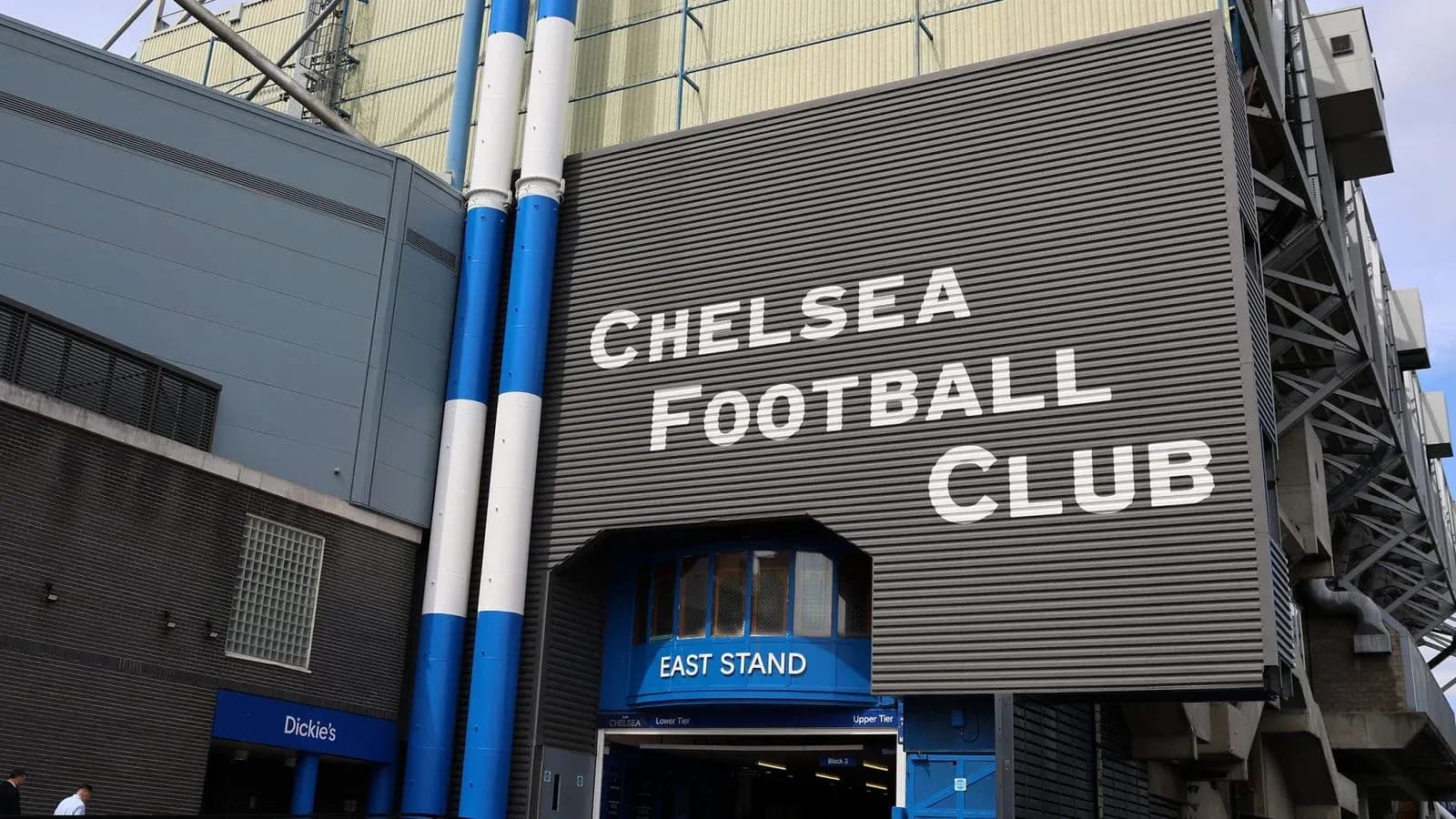
Chelsea have been hit with a £10m fine and handed a suspended two-window transfer ban after admitting to sweeping breaches of Football Association rules on agents and intermediaries.
An independent appeal board delivered the verdict, reshaping the punishment originally imposed by an earlier commission. That first panel had gone for a suspended six-point deduction, a sanction that would have hung over the club until June 2027. Chelsea appealed. The points threat has now gone; in its place sits a suspended transfer embargo.
If triggered, the ban would lock the club out of two transfer windows. For a side built on aggressive squad churn and big spending, that would bite hard.
74 breaches and a long shadow from the Abramovich era
The FA confirmed on Friday that Chelsea admitted a total of 74 breaches of regulations covering agents, work with intermediaries and third-party investment in players. The offences are historic, rooted in the Roman Abramovich years, but the bill is being paid under the new ownership.
It was Todd Boehly and Clearlake Capital’s consortium that brought the matter into the open. While in the process of buying the club in May 2022, the new owners self-reported concerns to the authorities, triggering investigations that have since swept through the Premier League, UEFA and now the FA.
Deals involving high-profile names such as Eden Hazard, Samuel Eto'o and Willian are understood to have been among those scrutinised during the takeover process. There is no suggestion of wrongdoing by the players themselves, but the structures around those transfers raised red flags.
The Regulatory Commission’s £10m fine stands untouched. It was not open to appeal and will be channelled into grassroots football, a pointed outcome given the scale of the sums involved in the breaches.
From points threat to transfer jeopardy
The shift from a suspended points deduction to a suspended transfer ban is more than a technical adjustment. A looming six-point hit would have haunted league campaigns for the next three seasons. Instead, Chelsea now live with the risk that any fresh breach could slam the transfer window shut.
For a club already under scrutiny for its recent transfer splurge and long-term contract strategy, the message is clear: step out of line again and recruitment stops.
Chelsea, though, chose to frame the decision as closure. In a statement, the club said it was “pleased to confirm that a final decision has been reached” by the FA’s judicial bodies on “historical regulatory matters” it had self-reported. The statement stressed the club had worked “openly and transparently” with all regulators and voluntarily disclosed “many thousands of documents”.
The club also underlined that settlement agreements had already been reached with UEFA and the Premier League over the same historic issues. With the FA process now concluded, Chelsea consider all regulatory proceedings on these matters closed.
A costly clean-up across three competitions
The FA sanctions are only one strand of a wider reckoning.
Earlier this year, the Premier League handed Chelsea its largest ever fine and a one-year transfer ban, suspended for two years. That £10.75m penalty centred on secret payments to agents worth £47.5m between 2011 and 2018 and breaches in the registration of youth players during the Abramovich era.
UEFA had already moved first. In July 2023, European football’s governing body fined Chelsea £8.64m (€10m) for incomplete financial reporting in 2018 and 2019. Investigators identified at least six suspect payments to offshore companies linked to transfers.
Across all three bodies, the pattern is the same: authorities say they were not given the full financial picture. Clubs are required to provide accurate information every year to the FA, the Premier League and UEFA, especially when it comes to payments around transfers and agents. Chelsea’s previous ownership failed that test.
New era, old paperwork
The irony is stark. The current regime, which has spent heavily and loudly to reshape the squad, is being punished for deals they did not sign off. Yet those old arrangements still shape the club’s present.
By self-reporting, Chelsea have won some goodwill and avoided harsher, immediate sporting penalties. No points have been docked. No current window has been closed. The fine, while significant, is manageable for a club of this scale.
But the warning is unmistakable. With a suspended Premier League transfer ban, a suspended FA transfer ban and a recent history of regulatory breaches, Chelsea now operate under a sharper spotlight than almost any other club in England.
The next misstep will not be treated as history.