.svg&w=384&q=75 "GoalGist logo")
Bayern Prodigy Joins North America Amidst Germany's Transition
The German national setup is bracing for a pivotal summer, and the storylines are piling up fast.
At the heart of it all sits FC Bayern, as usual. A star youngster from the Rekordmeister is headed to North America, a move that underlines how aggressively German talent is now being pushed onto the global stage. For the player, it is a chance to test himself in a different environment, to grow away from the glare of Munich and the Bundesliga’s relentless churn. For Bayern and Germany, it is a calculated investment in development, not a step back.
That theme runs through the national team picture as well. Julian Nagelsmann has already delivered some harsh truths in recent days, informing several players that they will not be part of his plans. International football is unforgiving; reputations alone no longer guarantee a seat on the plane. Some decisions cut deep, especially for veterans who once formed the spine of the team.
Old rifts, new consequences
Whispers of an old rift continue to swirl around the national team’s squad selections. Germany has seen this before: fractures between generations, between club camps, between those who feel overlooked and those who seem untouchable. The question now is whether past tensions are still shaping present choices.
Selection debates in Germany are never just about form. They are about hierarchy, history, and sometimes old scars that never fully healed. When a big name is left out, the conversation quickly shifts from tactics to politics. Nagelsmann must navigate that minefield while trying to build a coherent, modern side.
Versatility in attack
One player who has forced his way into the conversation is a BVB attacker offering the kind of attacking versatility Germany has often lacked in recent years. Comfortable across the front line, capable of drifting into pockets, stretching defenses, or dropping deep to link play, he gives Nagelsmann options that go beyond the traditional No. 9 or classic winger roles.
For a national team that has at times looked predictable and rigid, that flexibility matters. It allows Germany to switch systems mid-match, to chase a game or protect a lead without burning through substitutions. It also raises the level of competition in attacking positions, which can only sharpen the squad’s edge.
Bayern youth on the brink
Back in Munich, another FC Bayern youngster senses an opening. The door to the national team is not wide open, but it is no longer locked. Injuries, dips in form, and the coach’s willingness to reward emerging talent have created a narrow pathway.
For a young player at Bayern, breaking through at club level is hard enough. Doing it while also catching the eye of the Bundestrainer is something else entirely. Yet the opportunity is there: train well, seize minutes, and the call can come. The message from Nagelsmann is clear—age and status will not outweigh performance.
A goalkeeper’s quiet confidence
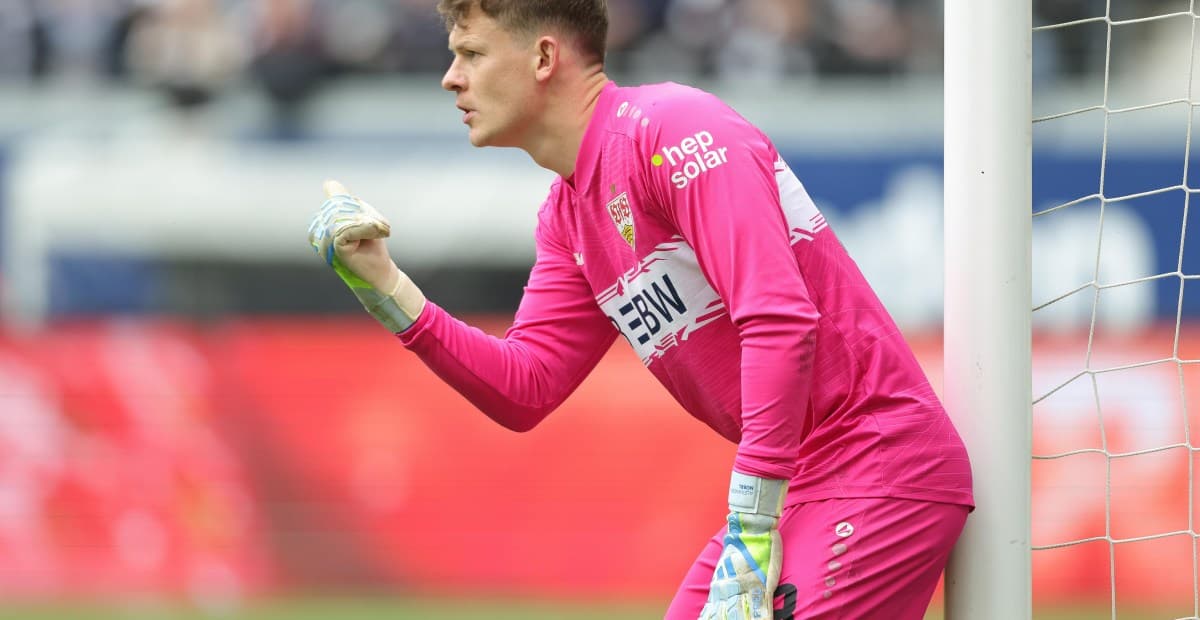
In goal, the conversation is calmer but no less competitive. The Hoffenheim goalkeeper remains confident about his role this summer, a stance that speaks to both his form and his mentality. Germany’s goalkeeping tradition demands more than reflexes; it demands presence.
Holding that line in a crowded field of keepers is no small task. One mistake can shift the entire hierarchy. Confidence, then, is not bravado. It is a requirement.
As the summer approaches, Germany stands at a familiar crossroads: balancing legacy with renewal, managing egos while betting on youth, and trying to turn domestic storylines—Bayern prospects, BVB creativity, Hoffenheim resilience—into a unified national identity.
The talent is there. The question is whether the pieces, old and new, can finally click into place when it matters most.