.svg&w=384&q=75 "GoalGist logo")
Arsenal’s Hunger Test Against Manchester City’s Unknown
The hardest part is not getting there. It’s wanting to go again.
Arsenal spent 22 years chasing their 14th league title. They finished runners-up three seasons in a row, pushed themselves to the edge physically and emotionally, and finally hauled the Premier League trophy into the air in May. The question that hangs over them now is simple and ruthless: how badly do they still want it?
You could see the toll of last season in June and July. Declan Rice looked spent. Bukayo Saka flickered in and out of England’s World Cup campaign. William Saliba came back with a back problem. The price of glory is often only fully counted when the next campaign rolls around.
This is usually a strange time anyway. The early weeks after a World Cup tend to be jagged, fitness uneven, rhythm off. This year feels even more volatile. Nine of the 20 Premier League clubs have changed managers. For the first time in four decades, none of the defining coaches of the modern era – Sir Alex Ferguson, Arsène Wenger, José Mourinho, Jürgen Klopp or Pep Guardiola – is in a dugout. The giants have stepped away. The league is in the hands of a new generation.
Even at Arsenal, where Mikel Arteta is now the longest-serving manager in the division, there are doubts. How do you sustain the edge that drove you to the summit? How do you avoid that tiny drop in intensity that can turn champions into chasers? Nobody would be shocked if Arsenal began this season a little sluggishly.
City after Guardiola: same idea, different voice
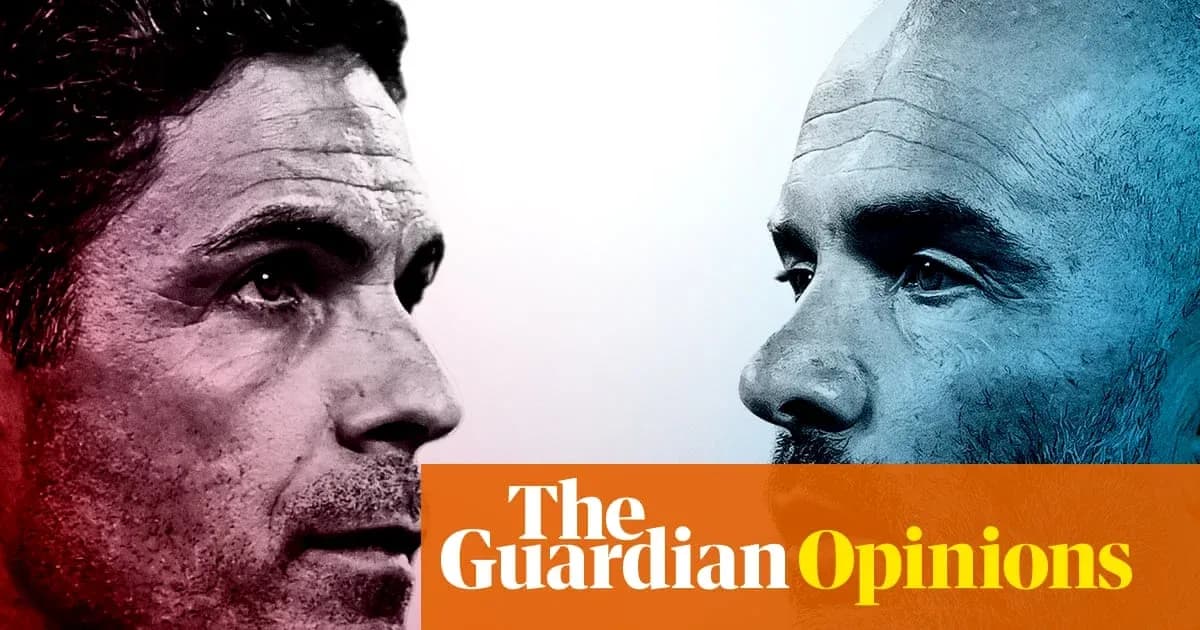
On the other side of Sunday’s Community Shield, Manchester City arrive in a very different place. Two seasons that fell short of their own absurd standards. A decade under Guardiola over. A new man on the touchline, but very much in the old image.
Enzo Maresca looks like Guardiola, talks like Guardiola and, at first glance, sets his teams up in a way that feels heavily stamped by his former boss. That is hardly surprising given his time as Guardiola’s assistant. Yet he walks into City with as many questions as medals.
His record is decorated enough: promotion with Leicester, Europa Conference League and Club World Cup titles with Chelsea. But the fanbases he left behind were not exactly pining for more. The football often felt sterile, the balance not quite right. Chelsea’s squad was a puzzle, and while they clearly deteriorated after he left, there was never a sense he had fully solved it.
Now he takes on a City side that has been shaped, down to the smallest detail, by Guardiola’s demands. The Community Shield will not give a full verdict on Maresca’s City, but it will offer the first glimpse of how much of the old structure remains and how much he dares to change.
A curtain-raiser that rarely predicts the play
The temptation with the Community Shield is always the same: to read too much into a glorified friendly. History keeps warning against it.
No winner of this match has gone on to win the Premier League since 2018. In that sense, it has become a kind of anti-indicator, a game that more often highlights what might go wrong rather than confirming who is ready to dominate.
Its real meaning often only becomes clear later. The 1974 brawl between Kevin Keegan and Billy Bremner hinted at deeper fractures – Keegan’s discomfort after Bill Shankly’s retirement, Leeds’s sagging morale under Brian Clough. In 2015, José Mourinho turned up for the Shield unshaven, in tracksuit bottoms and a baggy T-shirt, and then lost to Wenger for the first time. Only months later did that afternoon feel like the first crack in Chelsea’s season, which ended with his dismissal.
Last year, Crystal Palace’s penalty shootout win over Liverpool after a 2-2 draw contained plenty of clues about Arne Slot’s side. Mohamed Salah looked detached from the rest of the attack. The defence was loose. They coughed up two equalisers. Whether those signs were properly clocked at the time is another matter. The eternal problem in August is separating short-term rust from long-term flaws.
Arsenal’s left flank and a teenager in the spotlight
This year’s edition does not come with obvious, ready-made storylines. It does, though, offer a few intriguing subplots for Arsenal.
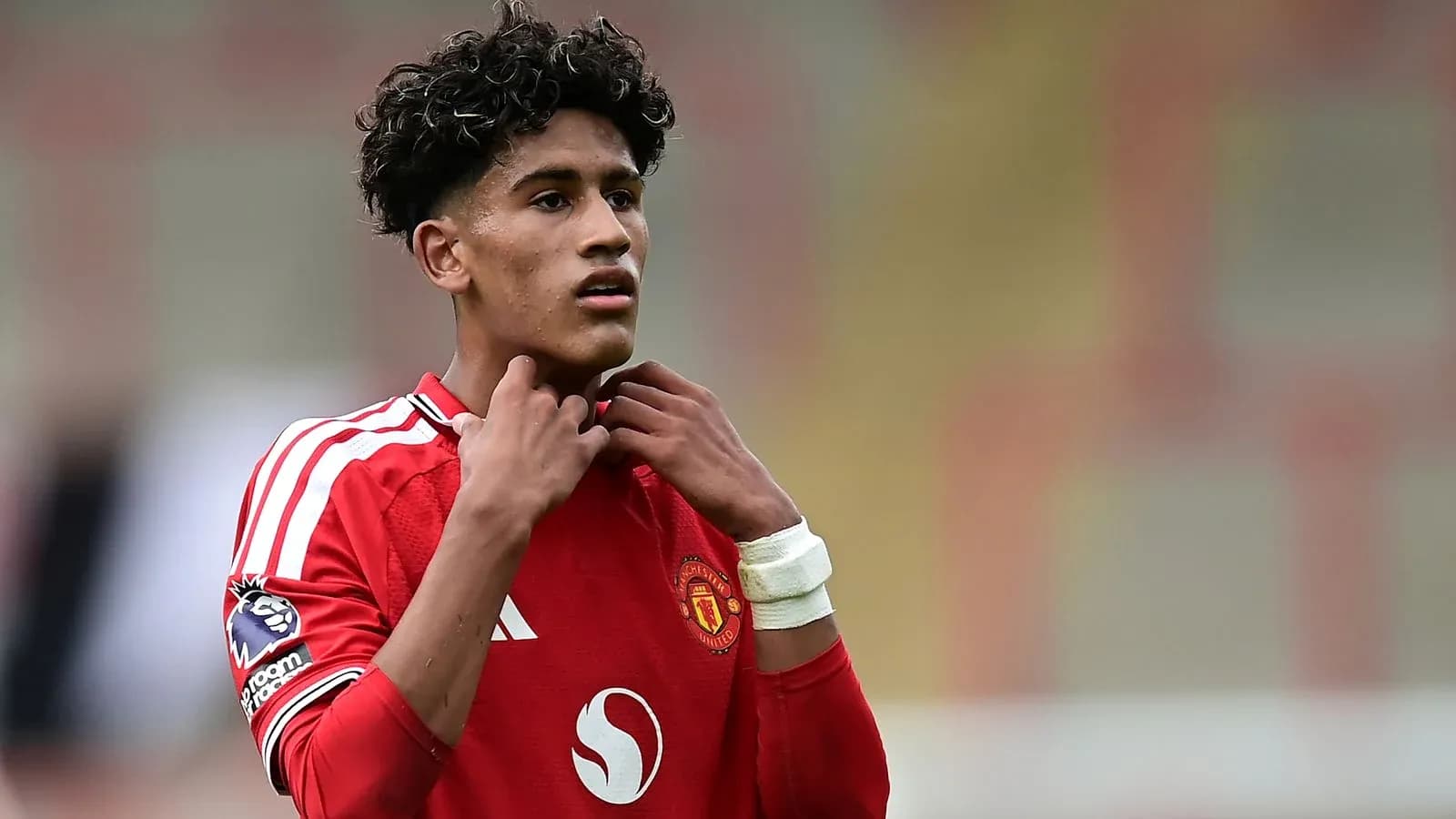
Bruno Guimarães came off the bench in Wednesday’s friendly against Como and could feature at Wembley, likely alongside Myles Lewis-Skelly. The 19-year-old has been one of the more striking figures of Arsenal’s pre-season, helped by extended breaks for Rice, Martín Zubimendi and Martin Ødegaard after the World Cup. He has also been linked with a move away. So when he scored against Como and celebrated by shaping a heart with his hands and tapping the badge, it felt like a message – to the fans, to the club, perhaps to himself.
On the left wing, there is a clear vacancy. Leandro Trossard has been sold. Morgan Rogers went to Chelsea. Vinícius Júnior stayed at Real Madrid. Arsenal moved for Christos Tzolis instead, bringing in the 24-year-old Greece international from Club Brugge. Sunday will offer the first real sense of whether Tzolis can carry that flank at elite level or whether Arsenal still need another option before the window closes.
City’s midfield makeover and the Rodri question
City’s most delicate issue lies in the centre of the pitch. Rodri, the anchor of their modern era, has a proposed move to Barcelona hanging in the air. Nothing has been completed, but the uncertainty lingers. City cannot fully commit to his successor until they know whether he is actually leaving.
Enzo Fernández has emerged as the preferred candidate to step into that role. He brings range and intelligence, but not the same physical presence. Whether City can live with a less imposing figure at the base of midfield, even after signing the more robust Elliot Anderson, is one of the tactical questions that will shape Maresca’s first season.
Around that pivot, the midfield is being ripped up and rebuilt. Tijjani Reijnders, who started pre-season games against Inter and Atlético, is heading to Al-Qadsiah. Bernardo Silva has joined Real Madrid. Two trusted, versatile components gone in quick succession.
That leaves the door ajar for Phil Foden. Crowned player of the year in 2024, he has laboured to find that level again since. He did start against Inter and Atlético, and with others easing their way back after the World Cup, the next few weeks are a rare window for him to grab a central role, literally and figuratively, in the new City.
Leadership void and a new City personality
At the back, John Stones has left. On paper, the loss looks manageable: only 11 starts across the past two seasons. On the training pitch and in the dressing room, it is a different story.
Stones was part of the leadership core, a player who had lived through the full Guardiola cycle, from the early teething problems to the treble. Remove him and Bernardo Silva, and Guardiola himself, and the personality of this City squad changes. It has to. New voices will have to emerge, new hierarchies will form, and Maresca will have to manage a group no longer governed by its old guardians.
What Wembley can and cannot tell us
So Sunday at Wembley becomes a kind of mirror. On one side, the champions who finally reached the summit and must now prove they are not satisfied. On the other, a superclub trying to reinvent itself without the manager who defined its greatest era.
The Community Shield will not decide the title. It rarely even points clearly towards it. But it will show us something: how sharp Arsenal’s appetite looks after the feast, and what shape this new, Guardiola-less City might take.
Just don’t mistake the first flickers of the season for its full blaze.