.svg&w=384&q=75 "GoalGist logo")
Tottenham Signs Savinho for £85m: A New Era in North London
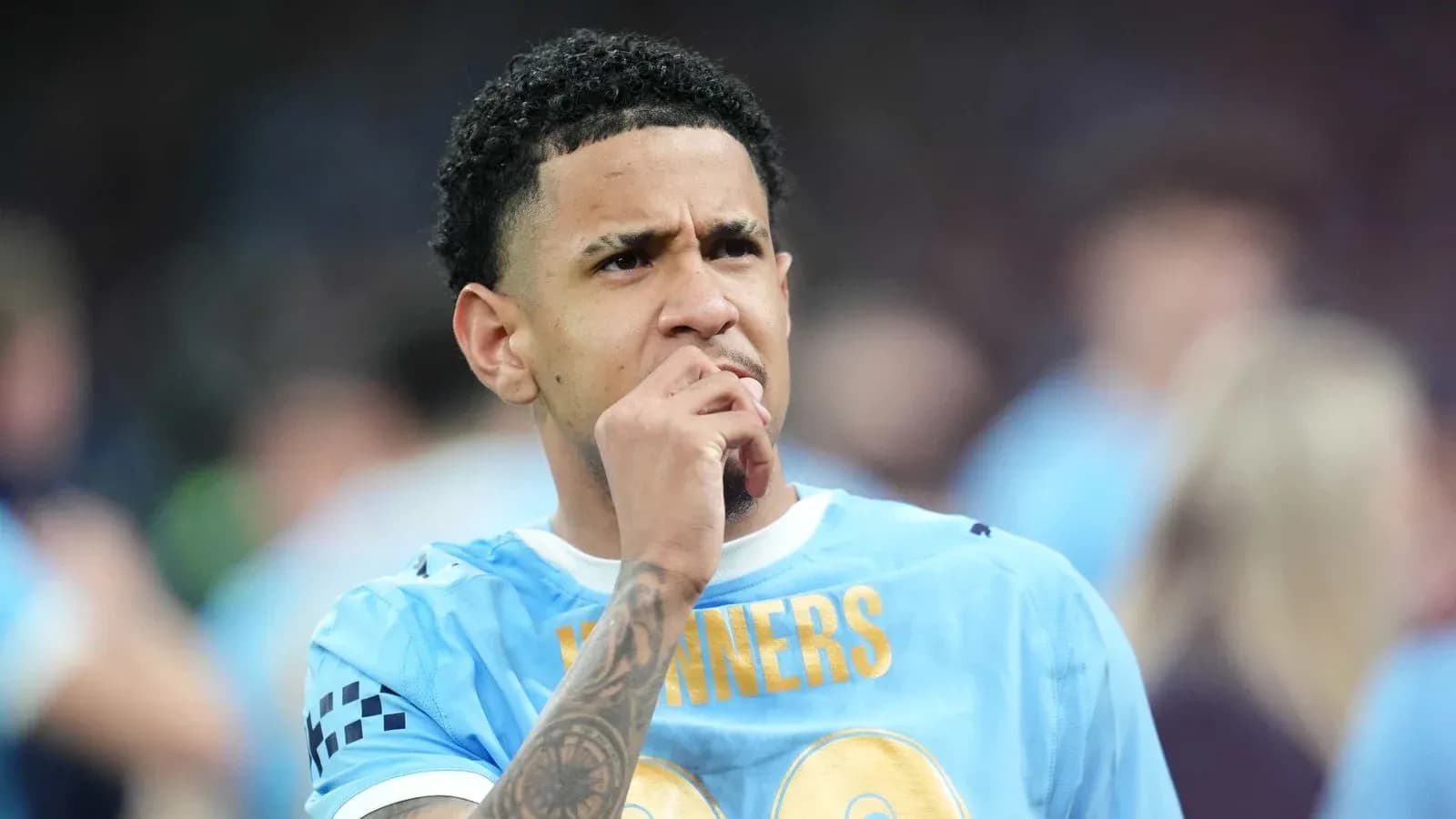
Tottenham have struck an £85m deal with Manchester City to sign Savinho, landing one of the window’s biggest moves and underlining a radical new era of spending in north London.
Spurs will pay an initial £75m for the Brazil international, with a further £10m in add-ons. Around £5m of those bonuses are regarded as virtually guaranteed, meaning City are set to bank at least £80m from the sale.
The 22-year-old is due to undergo a medical on Friday afternoon, with Tottenham pushing to wrap up the deal before the final stretch of the window. At the same time, they remain locked in talks with City over a separate move for striker Omar Marmoush as they look to stack their forward line with fresh options.
Record money, limited minutes
For City, Savinho’s departure is about business as much as it is about football. His sale would represent a club-record outgoing, eclipsing Julian Alvarez’s £82m transfer to Atletico Madrid in the summer of 2024.
On the pitch, he never fully established himself at the Etihad. Since arriving in 2024, Savinho has largely been on the fringes, starting only seven of his 24 Premier League appearances last season. He scored once and provided two assists – flashes of quality, but not enough to secure a permanent starting role in a squad stacked with attacking talent.
That lack of minutes fed directly into his desire to go. New City head coach Enzo Maresca, preparing for his first season in charge after Pep Guardiola’s nine-year, trophy-laden reign, has been blunt about the situation.
“Since day one, he has asked me that he wants to leave,” Maresca admitted, placing Savinho in the same bracket as Rodri, who has agreed a move to Barcelona. Once a player decides they need a new challenge, he said, convincing them to stay becomes “complicated”.
Spurs’ spending spree explained
Complicated is not a word anyone is using about Tottenham’s finances right now.
This deal for Savinho is only the latest in a ferocious summer of recruitment. Spurs have already pushed past the £200m mark on six first-team signings, reshaping the squad after surviving relegation only on the final day of last season.
Two big-money midfielders have formed the spine of that rebuild: Sandro Tonali from Newcastle and Matheus Fernandes from West Ham, a combined outlay of £185m. At the back, Jan Paul van Hecke has arrived from Brighton for £52m to replace Cristian Romero.
Marcos Senesi, Andy Robertson and Martin Dubravka have all come in on free transfers, smart depth moves around the headline spending.
So how are Spurs doing this without tripping over the Premier League’s financial rules?
The answer lies in both timing and strategy. The club have qualified for European competition in 18 of the last 20 seasons, building a financial base that few in England can match. Their stadium has become a money machine: Premier League games, boxing, concerts, NFL – all of it feeding into the balance sheet.
That commercial power was reflected in the latest Deloitte Money League rankings, which showed Tottenham overtaking Chelsea to become the ninth richest club in the world, posting annual revenues of £549.2m.
They are also one of the early beneficiaries of the Premier League’s move from PSR to a squad cost ratio model, giving them more room to manoeuvre. But the real shift has come at the top of the club.
Daniel Levy’s departure at the start of last season opened the door to a new approach. The ownership and new leadership vowed, after that nerve-shredding escape from relegation, to channel the club’s revenue directly into the first team. This summer, they are making good on that promise.
The plan is clear: spend aggressively now to “dine at the very top table”, as those around the club put it, and close the gap on the established elite.
City’s late-window headache
For City, Savinho’s exit – and the likely departure of Marmoush – creates a different kind of pressure.
Both forwards have been “essentially surplus to requirements”, as Sky Sports News’ Ben Ransom put it, and Maresca has been open about their status. They were told they could stay and fight for their place, but no guarantees were made about starting roles.
Once serious offers landed and the players made it clear they wanted regular first-team football, City’s stance hardened into a familiar one: if the price is right, they will not stand in the way.
That policy makes sense in theory. The calendar makes it risky. The transfer window shuts in less than a fortnight, and Maresca is now staring at significant gaps in his attacking options.
“City would need to replace these players,” Ransom said. “They would definitely, I’d say, have to replace one. They would like to and would aim to replace two.” Finding the right quality, at the right price, with so little time left, is another matter entirely.
A new attacking face for Spurs
For Tottenham, Savinho offers something they have lacked: a young, high-ceiling forward entering his prime years, hungry for a starring role rather than a supporting one.
He arrives as part of a broader reset, one built on the promise that the club will no longer sit on its financial strength but use it, aggressively, to change the conversation around what Tottenham can be.
If the medical goes to plan and the final details fall into place, a player who never quite broke through at the Etihad will walk into north London as the symbol of a new project – and the most expensive outgoing in Manchester City’s history.
The question now is simple: with all this money on the pitch, how quickly can Spurs turn spending power into silverware?