.svg&w=384&q=75 "GoalGist logo")
Scotland’s No 1 and a Young Fan’s World Cup Morning
In a Boston hotel a few hours before kick-off, Scotland’s World Cup feels suddenly very close and very real to one young fan.
Daniel Nevin, 13, is wandering the corridors with his dad when he spots a familiar figure: Angus Gunn, Scotland’s No 1, strolling through the team base on matchday. The goalkeeper stops, smiles, poses for a picture. A small moment for Gunn, a huge one for a boy from Glasgow.
Daniel, who plays for St Cadoc’s Youth Club, is “delighted”, says his dad Tommy, 55. The teenager heads back out into the city with a photograph, a story and a simple wish for tonight’s game against Morocco: that the man he just met walks off with a clean sheet.
World Cup co-hosts flex their muscles
While Scotland’s supporters gather their nerves, the other co-hosts have already laid down markers.
Canada, under pressure after a flat start to the tournament, erupted into life with a ruthless 6-0 demolition of Qatar — their first win of this World Cup and a statement that their campaign is finally moving. Goals flew in, confidence surged, and a home crowd that had been anxious suddenly found its voice.
Mexico, by contrast, are already in full stride. They maintained their perfect record with a 1-0 victory over South Korea, a tighter contest but no less significant. Two games, two wins, and a familiar sense that Mexico know exactly how to handle the group-stage grind.
Around the grounds, Switzerland brushed aside Bosnia-Herzegovina 4-1, while Czech Republic and South Africa shared a 1-1 draw that keeps both alive but leaves neither comfortable.
Spain v Morocco: the battle for 2030’s biggest night
This World Cup is barely into its rhythm, yet the next one is already sparking tension.
The 2030 tournament, spread across Spain, Portugal and Morocco, has thrown up a political and sporting tug-of-war long before a ball is kicked. Both Spain and Morocco want the same prize: the right to stage the final.
According to The Times’ chief sports reporter Martyn Ziegler, the race is finely poised, a genuine 50-50 split between the two nations. It is not just about a match; it is about prestige, power and a global spotlight that comes around once in a generation.
Pochettino’s USA: lessons from Bielsa and a scarred 2002
On the other side of the Atlantic, Mauricio Pochettino is shaping a very different World Cup environment for the United States.
He knows what a suffocating tournament feels like. In 2002, under Marcelo Bielsa, Argentina arrived as contenders and left in pieces after a group-stage exit. The squad lived under virtual lockdown, the pressure immense, the mood heavy. The experience left its mark on Pochettino.
Those scars inform everything he does with the USA now. Rather than closing ranks, he has opened the doors. The emphasis is on trust, freedom, and players feeling part of something bigger than a tactical plan. As Peter Rutzler outlines, this is a coach determined not to repeat the emotional mistakes of his past.
Australia’s rare fast start
Australia, often slow burners at major tournaments, have come flying out this time.
A 2-0 win over Turkey in Vancouver gave them the perfect launch — their sixth straight World Cup, but the first since 2006 in which they have actually won their opening game. That matters. It changes the psychology of a group, the way opponents look at you, the way your own dressing room talks.
With three points already banked, Tony Popovic’s side can now think bigger. Australia have only reached the knockout stages twice in their history. This campaign is already nudging itself into that conversation.
USA hit top gear early
If Australia started well, the USA roared out of the blocks.
Their 4-1 dismantling of Paraguay was the kind of performance that shifts expectations overnight. Pochettino’s team raced into a 3-0 lead before half-time, the tempo relentless, the intent clear. Folarin Balogun struck twice, a centre-forward playing with conviction and edge, while Paraguay struggled to live with the movement around him.
Paraguay did pull one back midway through the second half, a reminder that this USA side can still be opened up. But Giovanni Reyna’s stoppage-time strike — a superb, emphatic finish — slammed the door shut and sent the co-hosts to the top of Group D with a swagger.
Pulisic on the clock
One cloud hangs over that bright start.
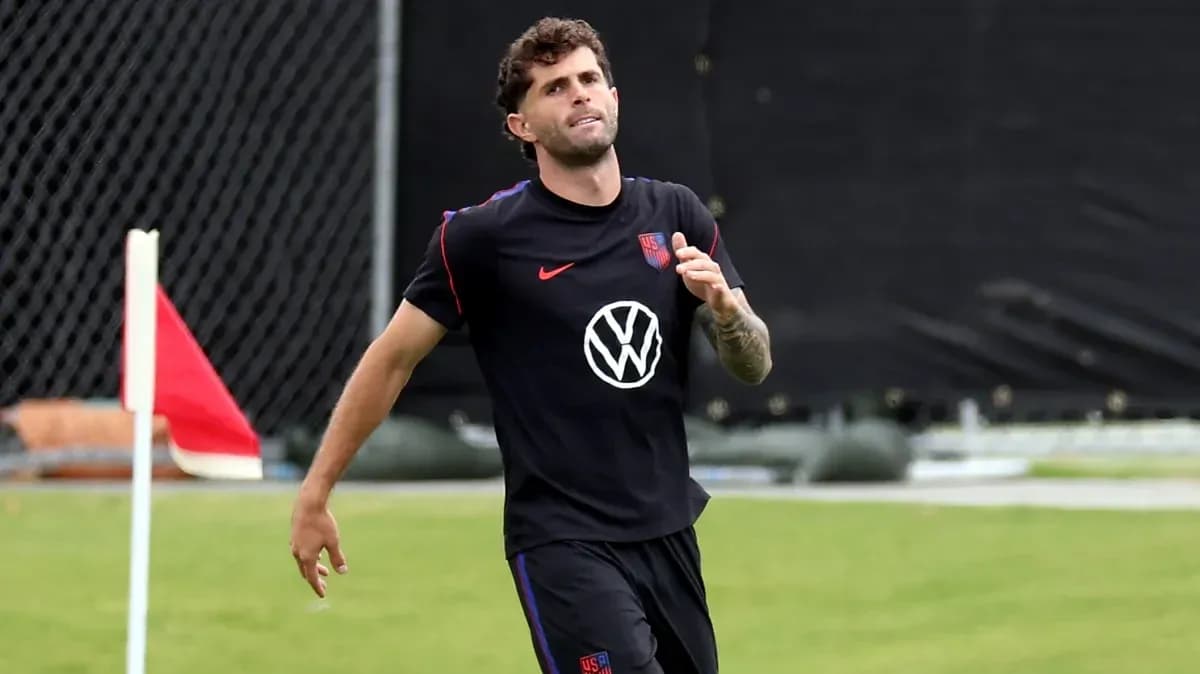
Christian Pulisic, the team’s talisman at 27, is racing time and his own body to be ready for today’s clash with Australia. He picked up a calf problem in the days leading into the Paraguay game, impressed during a sharp first half, then came off at the break as discomfort flared.
His influence is obvious. With him, the USA have a player who can tilt games, carry the ball through pressure and change the tone of a night in a single run. Without him, the structure remains, but the spark dims. The medical team will push, Pulisic will want to play, but the clock is unforgiving.
A huge night in Seattle
Day nine of this World Cup builds slowly, then explodes into a pivotal evening.
In Seattle, co-hosts USA face Australia in a match that already feels like a group decider. Both won their openers. Both sense an opportunity to take control of Group D. Kick-off is at 8pm local time (12pm PDT), and the stakes are clear: win, and the path to the knockouts straightens; lose, and the margin for error evaporates.
While attention leans heavily towards that showdown, the wider tournament hums in the background — England storylines, Scotland’s hopes, the daily churn of goals, injuries and plot twists.
Somewhere in Boston, a 13-year-old with a new photo on his phone will be watching it all unfold, hoping that when his own team step out, the goalkeeper he met in a hotel corridor delivers the clean sheet he dreamed of this morning.

