.svg&w=384&q=75 "GoalGist logo")
Scotland's World Cup Hopes Hang by a Thread After Brazil Defeat
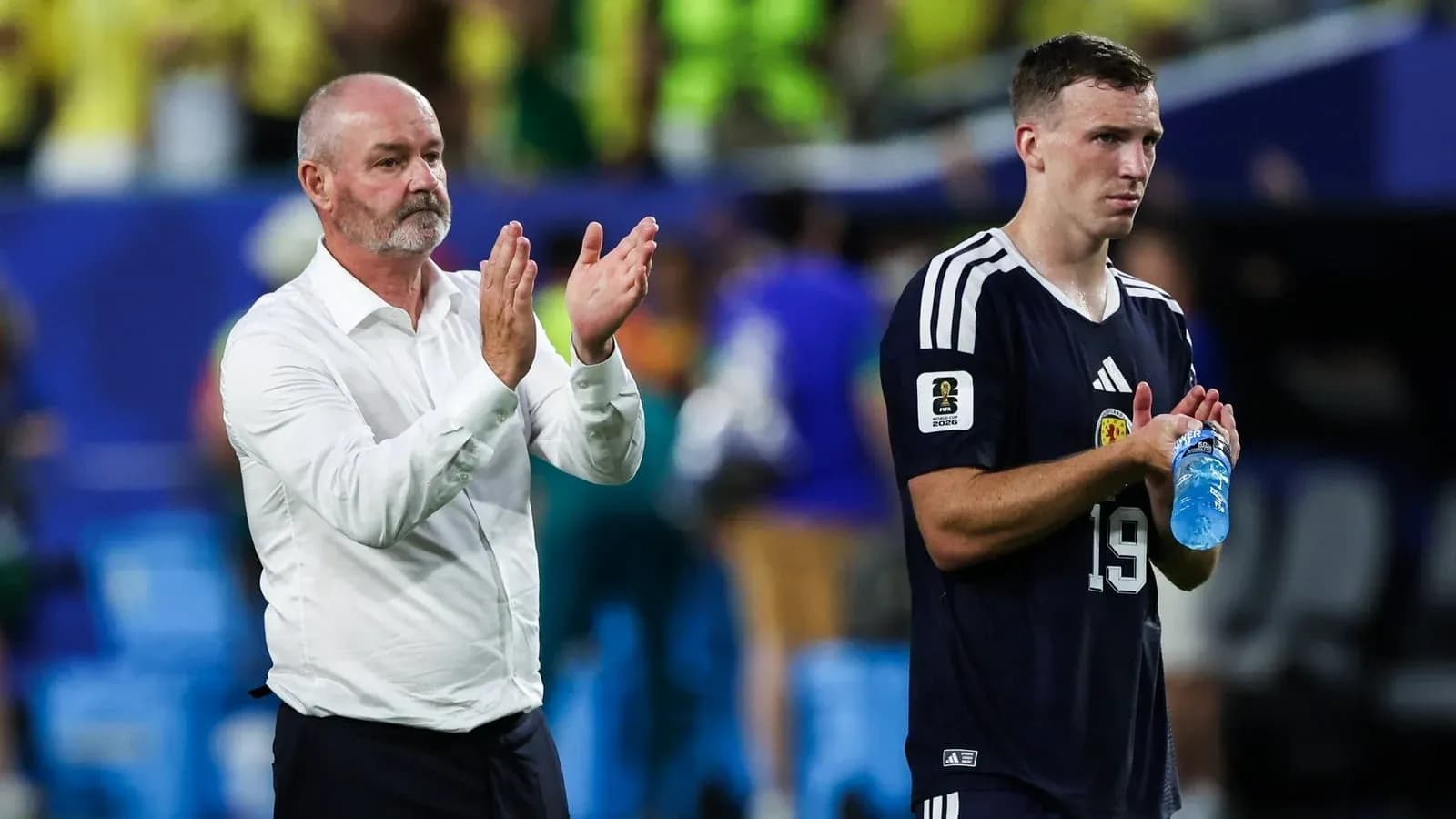
Lewis Ferguson walked off the pitch in Miami with the look of a man who knew the numbers as well as the scoreline. Scotland 0, Brazil 3. Three points from three games. Goal difference minus three. A World Cup campaign now balanced on other people’s results and a calculator.
For a squad that had talked about taking matters into their own hands, this stung.
“We just let ourselves down a bit,” the Bologna midfielder admitted back at Scotland’s base in Charlotte, North Carolina. No dressing it up. No attempt to sugar-coat a night when Brazil’s class and Scotland’s own shortcomings combined to leave Steve Clarke’s side staring at the exit.
From bright start to anxious wait
It all began so promisingly. A tight, disciplined 1-0 win over Haiti had given Scotland the platform they craved in Group C. The margins were always going to be thin in this format; that first victory looked like gold dust.
Then came the 1-0 defeat to Morocco. Manageable, if followed by a performance against Brazil. Instead, the group stage ended with Scotland outclassed and outgunned in Miami, their goal difference shredded in the process.
Now they sit as the eighth-best third-placed team, clinging to the final notional qualifying spot with half the groups still to finish. It is a fragile position. Others have games in hand. Others have better numbers.
“It’s going to be nervy watching some of the games and looking out for the results, and that’s not what we want, that’s not the position we want to be in,” Ferguson said. Scotland wanted control. They’ve ended up with hope.
They will need several results to break their way just to sneak into the knockouts. No guarantees. No safety net.
A standout in a stuttering campaign
In the middle of it all, Ferguson has emerged as one of the few clear positives. Energetic, tidy, brave on the ball, he has often looked like Scotland’s most assured performer in a tournament that never quite caught fire for Clarke’s team.
Yet personal form means little when the collective picture is this cloudy.
“We wanted to go and give ourselves a chance to get through, we’ve done that by getting the three points,” he said. “But I think the last two games we probably let ourselves down a little bit.”
That is the crux. Scotland have not been humiliated, but they have not imposed themselves either. They have competed in bursts, not in full matches. Against “top-level sides”, as Ferguson called them, those lapses are punished.
He insisted he believed this squad had enough quality “to get results against these kind of teams”. Belief, though, has met the hard edge of tournament reality. “Sadly, we’ve just come out short,” he admitted.
That opening win may yet prove decisive in the final table. “That first three points might come in handy,” Ferguson noted, before quickly circling back to the problem that could undo it all: “You know the goal difference probably doesn’t stand us in good stead.”
Experience, anger and a long wait
Back at base, the mood is raw. Hurt. Anger. Frustration. Those were the emotions Ferguson listed, and you sensed he could have gone on.
“This is the time for the more experienced lads to get around everybody,” he said, pointing to a core within the squad who have ridden out storms before. Their job now is simple but not easy: lift the spirits, steady the group, keep belief alive while the fate of their World Cup hangs on other people’s games.
“We’ve got a couple of days now, and we’ll need to try and build that positivity back up,” Ferguson said. The players will train, review, talk. Then they will wait. And watch.
No one in that camp wanted it to be like this.
If they make it, they must change
The irony is sharp. Scotland could still make history by reaching the knockout stage for the first time. They might do it on the back of a group campaign that has left them deeply dissatisfied.
If they do squeeze through, Ferguson is under no illusion about what comes next.
“I think we’ve showed in spells that we can be a really good team but we’ve never quite just had that proper 90-minute performance,” he said. That, he knows, is non-negotiable from here on. “There are no second chances there. You need to be on it for the full 90 minutes, and any sort of slip of any mistake can cost you, especially at this level.”
The self-assessment is blunt: “We need to improve. We know we need to improve in a lot of aspects.”
Those improvements will be worked on in training over the coming days, even as the squad live with the uneasy knowledge that it might all be for nothing if results elsewhere go against them.
If the door to the last 16 opens, Scotland will walk through it knowing they have already used up their margin for error. The question now is simple: if they are handed that second chance, can they finally deliver the complete performance this tournament has so far denied them?