.svg&w=384&q=75 "GoalGist logo")
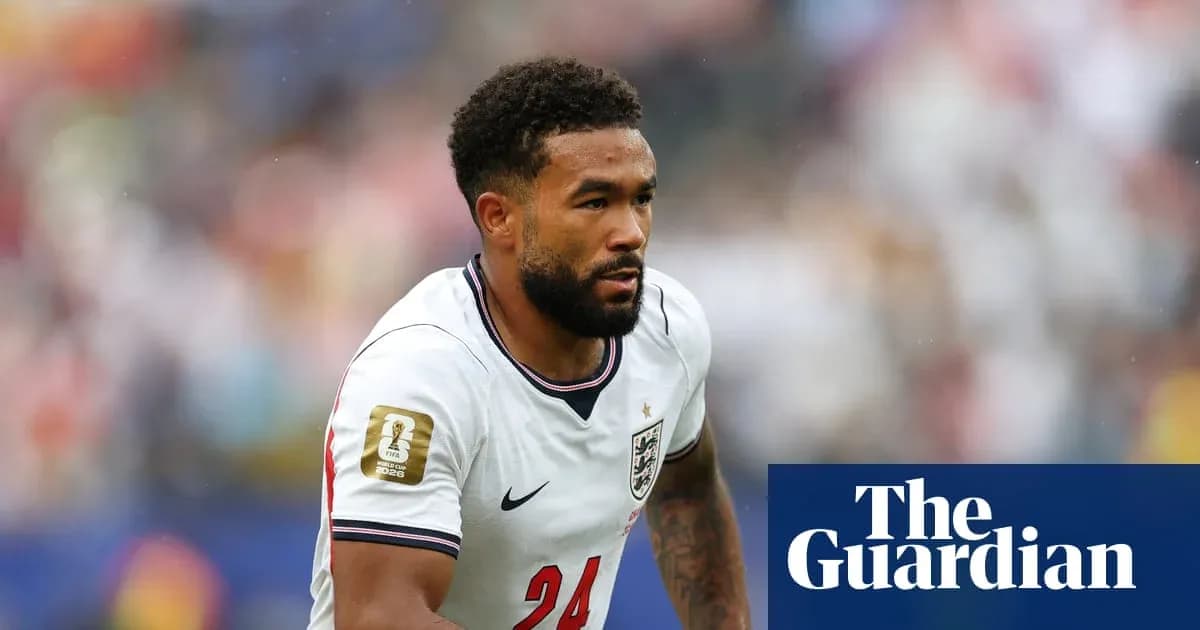
Reece James Out of England's World Cup Matches Due to Hamstring Injury
Reece James’s World Cup has lurched back into familiar, unwelcome territory. England’s first‑choice right-back will miss at least the next two matches after feeling hamstring tightness in the wake of the goalless draw with Ghana in Boston on Tuesday.
The Chelsea captain, whose relationship with his hamstrings has become a running concern for club and country, reported discomfort after completing 90 minutes in that 0-0 stalemate. By Friday in Kansas City, the alarm bells were loud enough: James took no part in training before England flew to New York for Saturday’s final group game against Panama.
He will not feature there. He will also sit out the last‑32 tie that is expected to follow.
For Thomas Tuchel, it is a blow he always knew was lurking in the shadows of this tournament. James arrived in North America having only recently returned from a hamstring injury suffered against Newcastle on 14 March, an issue that kept him out for nearly two months. Tuchel still backed his man, trusted his fitness, and leaned on him from the start – 90 minutes against Croatia, 90 more against Ghana.
The gamble has caught up with them.
England are attempting to squeeze eight matches into 33 days at this World Cup, a schedule that offers little mercy to players whose minutes need careful handling. With James, that management has long been part of the package. Here, under the intense demands of tournament football and heavy travel, the margin for error has vanished.
Tuchel’s problems on the right side of defence do not end with James. The plan had been straightforward enough: Tino Livramento, fresh from an impressive season at Newcastle, was pencilled in as the understudy. Then came another cruel twist. On the eve of the tournament, Livramento suffered a calf injury in training and dropped out before a ball had even been kicked.
The reshuffle that followed underlined just how exposed England are in that area. Tuchel turned to Trevoh Chalobah, a Chelsea centre-half, as an emergency call-up. He also flagged that Jarell Quansah, another central defender by trade, could be pushed out to right-back if required.
Those are not like-for-like replacements. They are compromises.
The manager’s other options on that flank tell the same story. Ezri Konsa, again primarily a centre-half, can fill in. Djed Spence is a more natural right-back but lacks the international experience and standing of James. None bring the same blend of power, delivery and authority that has made the Chelsea man such a central figure in Tuchel’s plans.
All of this plays out against the backdrop of a notable omission. Tuchel chose not to turn to Trent Alexander-Arnold, the Real Madrid right-back whose club form and attacking quality have long made him a lightning rod in England selection debates. The England manager has only called Alexander-Arnold into one camp, in June of last year, and his stance has not softened here, even as the depth chart at right-back thins alarmingly.
The decision leaves England heading into the business end of the group phase with their defensive jigsaw suddenly short of its most polished piece. James will now focus on treatment and recovery, fighting to rejoin a tournament that is accelerating without him.
With the schedule tightening and the stakes rising, Tuchel must decide how much he is willing to bend his system – and his trust – to cover the gap on England’s right.

