.svg&w=384&q=75 "GoalGist logo")
Real Madrid's Defensive Rebuild: Gvardiol at the Center
Florentino Pérez is not waiting for a crisis to hit. He’s moving before the cracks in Real Madrid’s back line become a full-blown fault line.
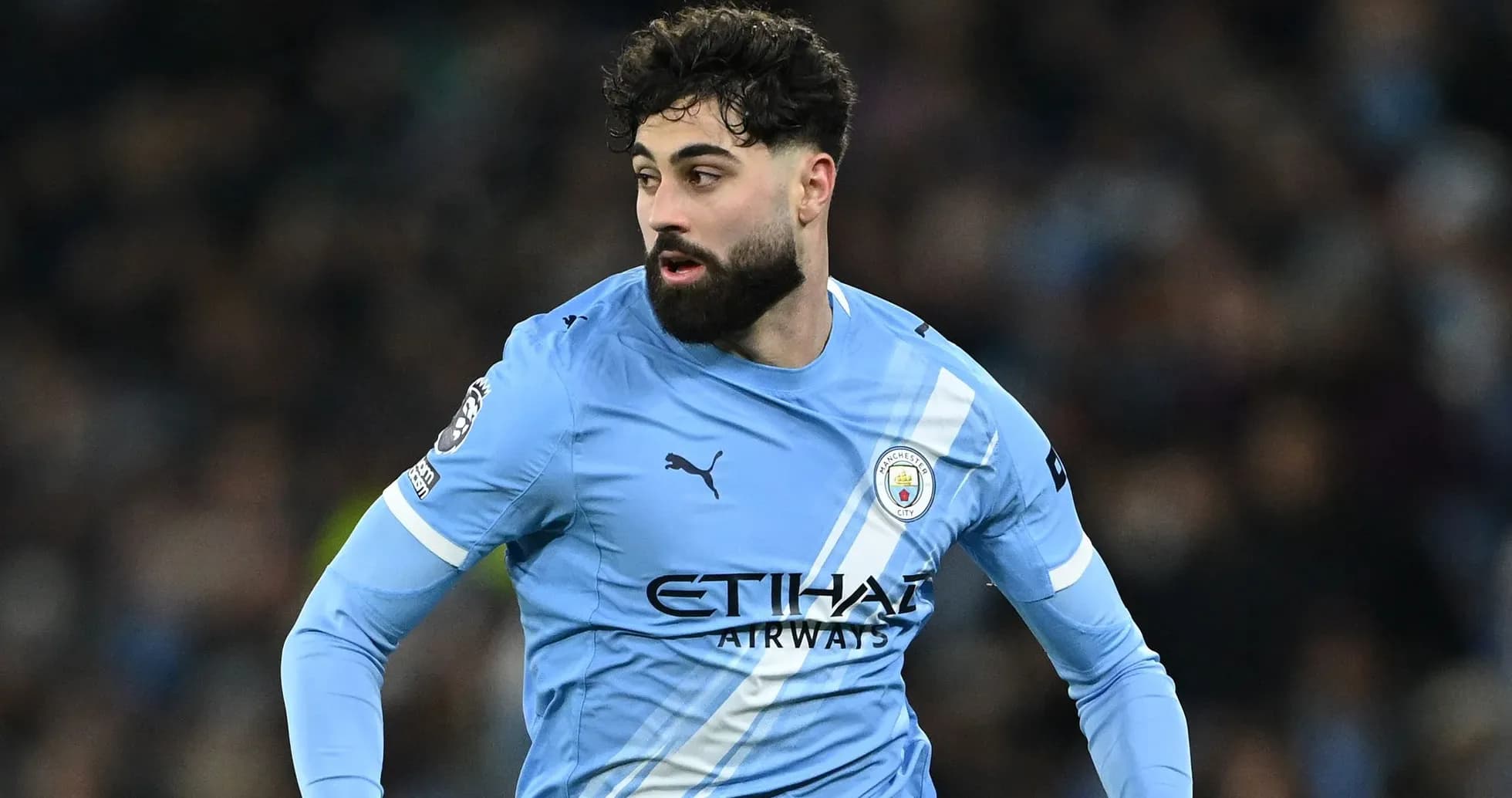
With a defensive rebuild now at the top of the club’s agenda, the president has drawn up an ambitious shortlist. Liverpool’s Ibrahima Konaté is on it. So is Inter’s driving force down the right, Denzel Dumfries. But in the offices at Valdebebas, one name has started to loom larger than the rest: Joško Gvardiol.
A defence on the edge
Madrid’s interest in the Croatia international is not a luxury exercise. It’s born out of need.
David Alaba and Dani Carvajal have gone. Éder Militão is out until late October with a long-term injury. Antonio Rüdiger continues to carry physical concerns that make him difficult to rely on across a full season. The future of Raúl Asencio is anything but guaranteed.
Put that together and the picture is stark. Konaté and Dumfries, as important as they would be, are not enough on their own. Madrid want reliability, depth and a defender who can cover more than one hole at once.
That is where Gvardiol steps in.
The “two-for-one” defender
Inside the club, his versatility is treated almost like a market inefficiency. At 24, he is already considered one of the elite centre-backs in world football, but he can also operate naturally at left-back. For a squad that has lived with band-aid solutions in that area, that matters.
Fran García is widely tipped to leave in the summer. Ferland Mendy, when fit, remains a high-level option, but “when fit” has become the recurring caveat after yet another prolonged spell on the sidelines. Madrid cannot afford to hinge an entire flank on a player whose availability is constantly in doubt.
Gvardiol offers a different equation: one signing, two positions covered. A long-term anchor in central defence, and a high-level alternative on the left when the system or the injury list demands it. For a club that plans in cycles, not seasons, that kind of profile is gold.
According to AS, the player has already made it known that he would welcome a move to the Bernabéu. Madrid see both quality and flexibility. He sees the famous white shirt. On paper, the fit is obvious.
Reality is more complicated.
City’s stance and Guardiola’s shadow
The situation at the Etihad Stadium is anything but straightforward. Manchester City, still reigning Premier League champions, do not want to look vulnerable, especially in the wake of Pep Guardiola’s departure. Losing their manager and then immediately sanctioning the sale of one of their most valuable defenders would send a message they have no intention of sending.
So the strategy is clear: convince Gvardiol that his future lies in Manchester. Reports indicate City are preparing a lucrative contract renewal, a deal designed to boost his salary and shut down any thoughts of leaving. It’s a classic power move from a club used to dictating the market rather than reacting to it.
Yet one thing cuts through every negotiation: the player’s will. Gvardiol’s desire to play for Real Madrid is being treated as a serious factor, not a passing whim. City know that once a player starts looking towards the Bernabéu, the battle shifts from pure finance to emotion and ambition.
Contract, price, and the breaking point
On paper, City still hold the cards. Gvardiol is tied down until 2028, a long contract that gives the English club leverage in any talks. They paid €90 million to bring him from RB Leipzig in 2023, and they will not entertain a cut-price exit.
Historically, though, City have operated with a clear internal rule: if a player truly wants to leave and a buying club meets their valuation, they do not stand in the way. That precedent keeps this story alive.
Madrid are ready to make a significant effort, but there is a line they will not cross. The club are wary of paying what they see as an “out-of-market” fee, even for a defender of Gvardiol’s calibre. They know City will push for a premium. They also know that pressure from the player himself could be the only way to drag that price into a range they consider acceptable.
So the equation is delicate. Madrid will continue to run the numbers, testing how far they can go without breaking their internal structure. City will wait to see whether Gvardiol merely listens to Madrid’s call or actively pushes for the door.
A transfer tug-of-war taking shape
For now, nothing is imminent. Madrid are reshaping their squad piece by piece, with defence at the heart of the project. Gvardiol sits near the top of that list, but not at any cost. City, strong on paper with a long contract and a huge initial investment, can afford to be stubborn.
The next move belongs to the player.
If Gvardiol decides to force the issue, Madrid will be ready to test City’s resolve. If he stays quiet and accepts a new deal in Manchester, this potential cornerstone of Madrid’s next back line may never be laid.
In a summer where Real are determined to rebuild their defence for the next decade, the question is simple: will their future hinge on the Croatian in sky blue, or will City’s wall of resistance hold firm?

