.svg&w=384&q=75 "GoalGist logo")
Rafael van der Vaart Critiques Koeman’s Tactical Gamble Against Morocco
Rafael van der Vaart did not bother softening the blow. Live on Dutch broadcaster NOS, the former Real Madrid midfielder watched the Netherlands unravel against Morocco and let his frustration pour out, line by line, at a tactical plan he believes ripped the heart out of the team.
The Oranje had battled through a tricky group, found a bit of rhythm, a bit of belief. Then came the knockout match and, with it, a radical change. For Van der Vaart, that is where the entire campaign fell apart.
“You get through a difficult group stage reasonably well. Then things start clicking a bit. What goes on in your head that makes you change everything against Morocco? I don't understand it one bit,” he said, his disbelief mirroring that of many Dutch supporters.
Midfield sacrificed, Frenkie stranded
Van der Vaart’s anger locked onto one area: the centre of the pitch. Ronald Koeman’s reshaped system left the Dutch midfield stripped back and exposed against what Van der Vaart called Morocco’s greatest strength.
The result was brutal. Morocco dominated the middle, dictated tempo, and suffocated the Dutch build-up. The supposed engine room sputtered, then stalled.
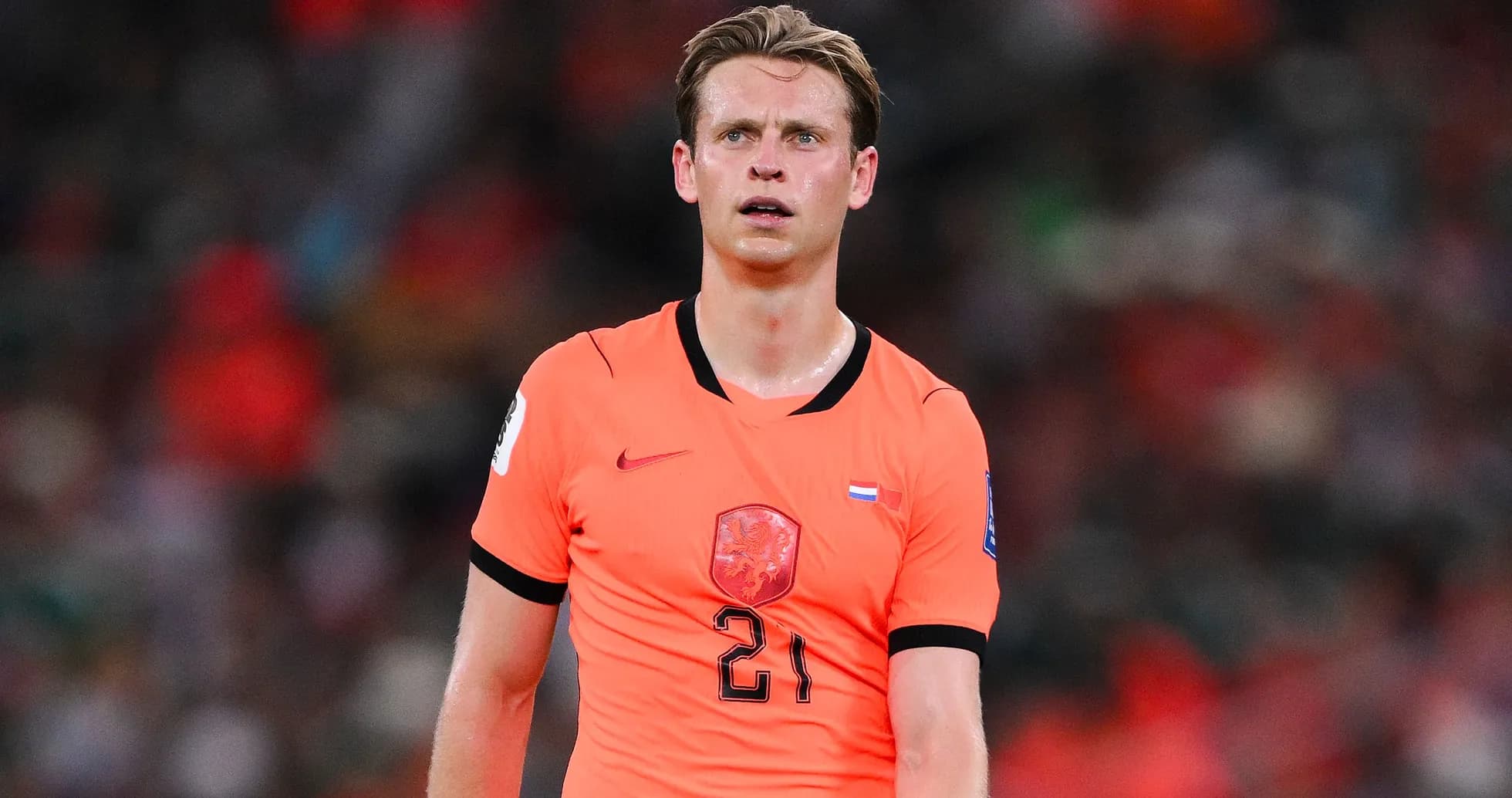
At the heart of that failure, in Van der Vaart’s eyes, stood Frenkie de Jong. Or rather, didn’t stand – because he barely featured in the game as a meaningful influence.
“Frenkie played the absolute worst game I’ve ever seen from him today. Truly disappointing. But is that because of the system?” Van der Vaart asked, turning the criticism from player to structure.
The key complaint was simple: with so few bodies in midfield, De Jong never saw enough of the ball to do what he does best. He drifted through the match, starved of possession, until Koeman finally replaced him with Marten de Roon after 110 minutes. By then, the damage had long been done.
“I think Morocco's midfield is their strongest asset. And then you decide to play against them with just two men? I didn't study to be a manager, but that seems a bit clumsy to me,” Van der Vaart said, cutting straight through the tactical jargon.
Stars left on the margins
The criticism did not stop with De Jong. Van der Vaart highlighted how the entire attacking structure collapsed when the midfield lost control.
“Frenkie is only effective when you have the ball, but we didn't have the ball at all today, so Frenkie was completely invisible. And he is supposed to be our main man...” he said, before turning to Cody Gakpo.
Gakpo found the net, yet even his goal could not disguise how peripheral he felt to the broader contest.
“Plus, Cody Gakpo scored the goal, but of course, he was barely involved either,” Van der Vaart added, underlining the sense that Koeman’s plan left his biggest talents playing on islands, cut off from the game’s flow.
The pattern was stark: Morocco’s midfield three and rotating support runners swarmed central spaces; the Netherlands tried to hold that storm with a reduced core. The imbalance was obvious, and Morocco cashed in.
A campaign unravels mid-flight
As Morocco look ahead to a last-16 clash with Canada in Houston, their confidence rising on the back of a tactically assured display, the Dutch return home to a very different atmosphere.
The squad, already under the microscope after an uneven group stage, now flies back into a storm of internal scrutiny. Koeman’s tactical choices sit at the centre of the inquest, with Van der Vaart’s words echoing the broader national debate: why dismantle a structure just as it seemed to be working?
Key figures are under direct fire. The age profile of the squad has been laid bare. The energy and legs that Morocco showed in midfield only sharpened the contrast with a Dutch side that looked stretched and short of answers when the game sped up.
Significant changes now feel less like an option and more like an obligation. Koeman must decide whether this was a one-off miscalculation or the clearest sign yet that a new core, and perhaps a new direction, is needed before the next international cycle begins.
The tournament is over. The questions are only just starting.

