.svg&w=384&q=75 "GoalGist logo")
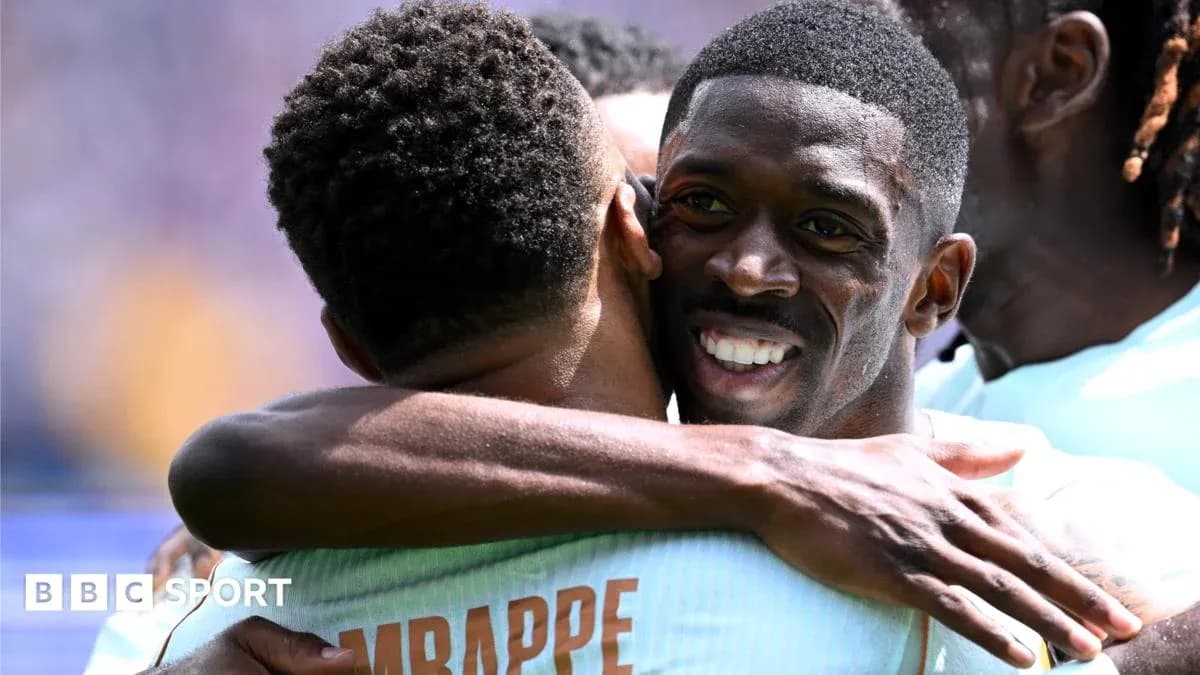
Ousmane Dembélé Shines in World Cup Decider Against Norway
Ousmane Dembélé walked into a World Cup group decider billed as Haaland v Mbappé and tore up the script in half an hour.
By the time he walked off to a standing ovation in Boston, France were top of Group I, Norway were second, and the night belonged to a winger who has spent years listening to doubts about his body and his consistency.
No Haaland, muted Mbappé – and a new leading man
The noise before kick-off centred on two names. Erling Haaland against Kylian Mbappé, the heavyweight showdown, the marketing dream. Then the teamsheets landed.
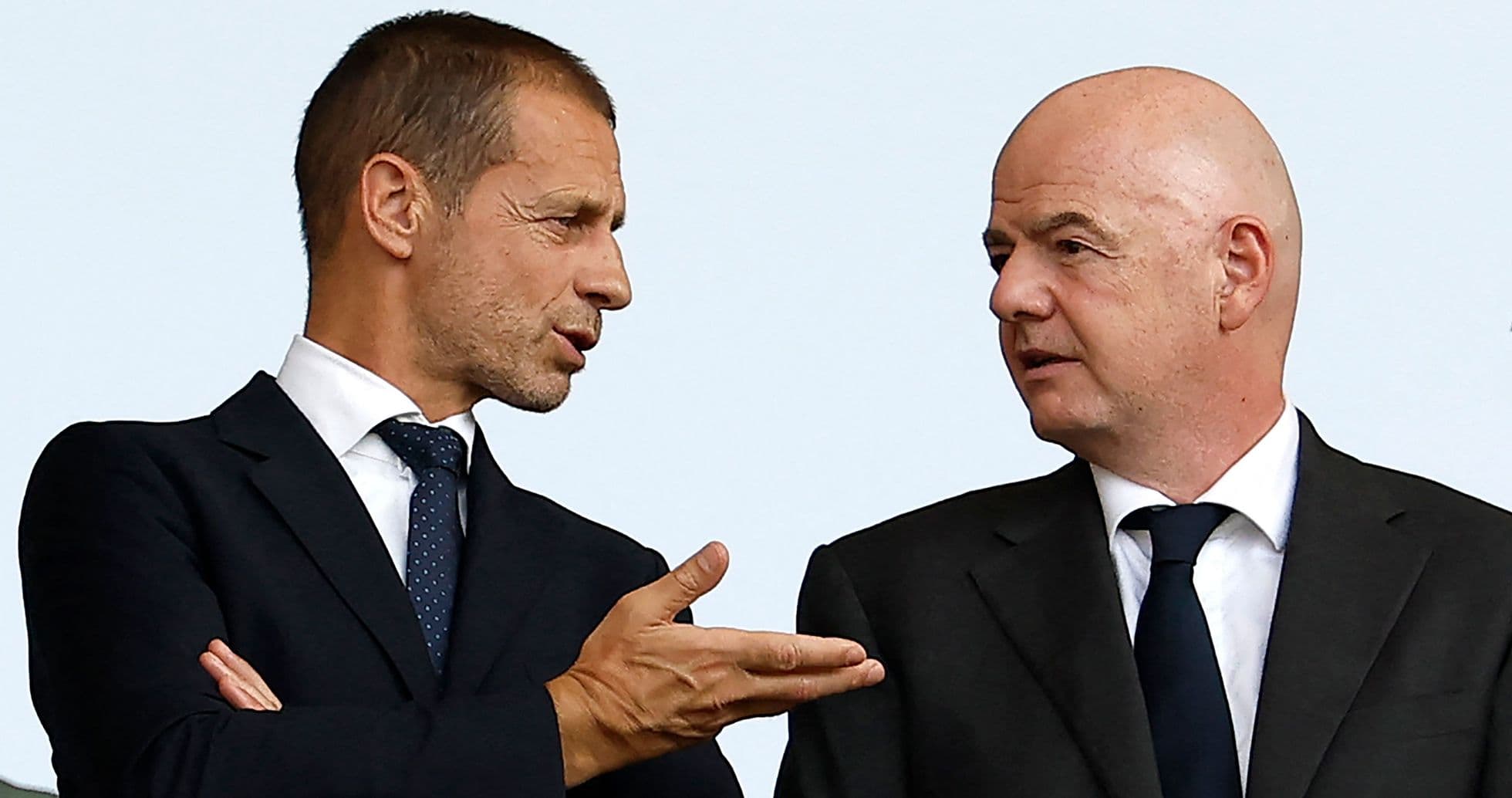
Ståle Solbakken made 10 changes from Norway’s two opening wins. Haaland, on four goals for the tournament and level with Mbappé, sat on the bench. The message was clear: second place, rotation, energy saved for the knockouts.
Across the technical area, France were dealing with something far more human. Didier Deschamps had flown home after the death of his mother. Assistant Guy Stéphan took charge, a familiar figure on the touchline but now the main voice, and he watched a player he knows well answer a very different kind of pressure.
“Ousmane is a human being, just like anyone he can hear the criticism,” Stéphan said afterwards. “He has unfortunately had injury issues but every time he comes back harder and harder. Three goals in a World Cup game is exceptional.”
On this evidence, the criticism had been heard loud and clear.
A hat-trick that rewrote the record books
France started as if they had somewhere to be. They pressed high, snapped into duels, and Norway’s second string looked exactly that.
The breakthrough came in the seventh minute. France stole the ball in Norwegian territory, Mbappé drifted infield and slid it wide right. Dembélé isolated his man, squared him up, and hammered a low finish past Egil Selvik at the near post. Direct, ruthless, emphatic.
The second was pure counter-attacking theatre. France broke at speed, Dembélé again free on the right. He chopped inside onto that left foot that defenders know is coming but still cannot read, and whipped a curling shot into the far corner on 20 minutes. Two shots, two goals, and suddenly this was his stage.
Norway hit back almost instantly. From the restart, France switched off, the back line retreating instead of engaging. A slick move ended with Rangers forward Thelo Aasgaard sweeping the ball past a wrong-footed Mike Maignan. Seventy-nine seconds after Dembélé’s second, it was 2-1 and the French defence had been warned.
The response came from the same source. Dembélé collected the ball again on the right, again moved onto his left, and this time four defenders formed a hesitant ring around him. None stepped in. He bent another shot beyond Selvik, the fear and indecision laid bare in a single frozen moment.
Thirty-two minutes played. A World Cup hat-trick completed. It was the first time anyone had scored three in the first half of a men’s World Cup match since Oleg Salenko in 1994, and the second-fastest treble from the start of a game in tournament history, behind Erich Probst’s 24-minute burst for Austria in 1954.
For Dembélé, who had never scored more than once in a game for France before this night, it was a personal milestone wrapped in historic company.
A 17-pass masterpiece
The third goal carried an extra layer of significance. It was not just the finish, but the journey.
France stitched together 17 passes before Dembélé’s hat-trick strike, the most ever recorded in the build-up to a French World Cup goal. All 11 players touched the ball. The move flowed from back to front, side to side, Norway chasing shadows as blue shirts rotated and recycled possession.
When it finally reached Dembélé, the outcome felt inevitable. One shimmy, one opening, one more curling left-footer. A team goal, a statement goal, and a reminder that this France is not just about one superstar sprinting into space.
Mbappé, in fact, had almost stolen the spotlight before Dembélé’s eruption. After just 21 seconds he crashed a shot off the underside of the crossbar, a thunderous warning that rattled Norway and the stadium alike. Yet as the half wore on, he drifted to the margins. He ended the first period with the fewest touches of any French outfield player.
The pattern evoked memories of the 2022 quarter-final against England, when Mbappé was largely contained but Antoine Griezmann dictated everything around him. In Boston, Dembélé played that ringmaster role, orchestrating and finishing before taking his bow midway through the second half.
Maignan’s moment and Norway’s gamble
With the game effectively decided by the break, the second half became about details and decisions.
Norway, who needed a win to leapfrog France but had fielded a heavily rotated side, earned a route back when Jørgen Strand Larsen stepped up to the penalty spot early in the second half. This was his chance to justify Solbakken’s faith, to punish French complacency.
Maignan had other ideas. The Milan goalkeeper dived, saved, and wrote his own line in the record books. He became the first French keeper to stop a World Cup penalty in regular play since Joël Bats in 1986. Another small but telling sign of why many see this France as favourites for a third world title.
Norway’s selection call lingered over the night. Resting Haaland may pay off next week, when the knockout rounds begin and he returns fresh, still on four goals and level with Mbappé in the scoring charts. Yet when his understudy’s spot-kick was saved, the trade-off between rotation and risk felt brutally exposed.
Solbakken, though, had made his choice before a ball was kicked. Second place, safe passage, and belief that his main striker will be ready when it truly becomes win or go home.
Dembélé, not Mbappé, drives France forward
As the tempo dropped, Deschamps’ assistant protected his match-winner. Dembélé departed after 65 minutes to a roar, his night’s work done, his case for the Golden Boot suddenly very real with four goals to his name.
The game meandered towards its conclusion until, deep into stoppage time, another Paris Saint-Germain talent added a flourish. Desire Doué rose to meet a cross and sent a looping header over Selvik in the 94th minute for 4-1, a late reminder of the depth and variety at France’s disposal.
This win delivered something France had not managed since 1998: three wins from three in a World Cup group stage. That year they were hosts, and they ended the month lifting the trophy. The echoes are obvious, the temptation to draw a straight line even stronger.
Stéphan refused to go there.
“This team is totally different to 2022,” he said. “More than half the squad had never played a World Cup. We can only see as the World Cup goes on, then up our level as we play strong teams. There is the offensive and defensive side, we need to have that balance, and for that we need to wait.”
The warning was measured, the reality blunt. This is a new France, built around a familiar superstar in Mbappé but now armed with a Dembélé who has turned criticism into fuel and seized centre stage on the biggest platform.
They leave the group not just on top, but with a different kind of threat humming through their play. The question for the rest of the tournament is no longer how to stop Mbappé alone.
It is whether anyone can live with a France side that has finally found another man who can decide a World Cup night in half an hour.