.svg&w=384&q=75 "GoalGist logo")
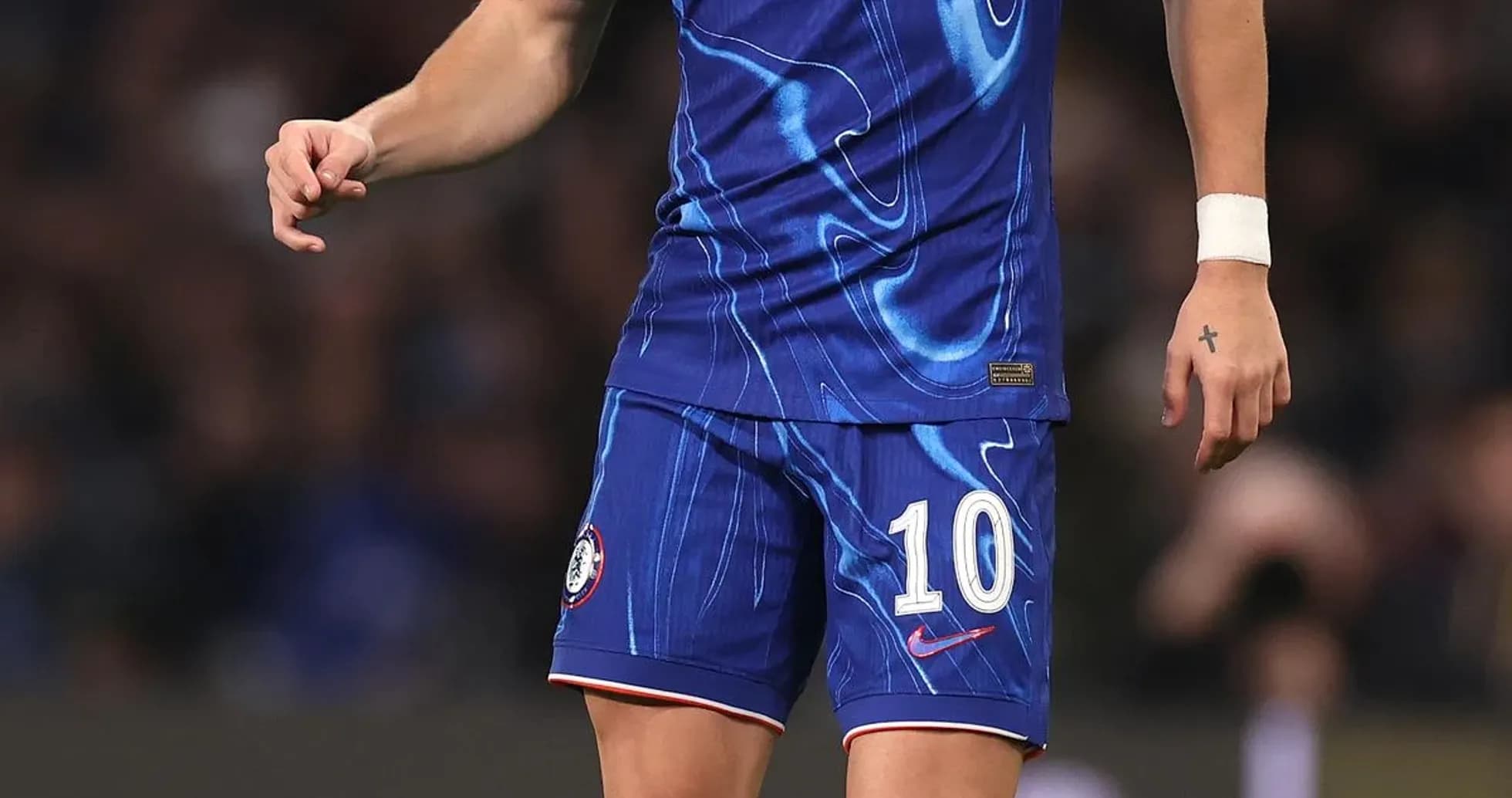
Mykhailo Mudryk Cleared to Play After 20-Month Doping Ban
Mykhailo Mudryk’s long, lonely wait is over. After 20 months in the wilderness, the Chelsea winger has been cleared to return to competitive football with immediate effect, his doping ban effectively dismantled by a change in global regulations.
The Ukrainian has not pulled on a Chelsea shirt since November 2024, when he played in a 2-0 Conference League win over Heidenheim. A routine post-match test flagged the presence of meldonium, a controlled substance, and the then-23-year-old was swiftly provisionally suspended.
Mudryk protested his innocence from the start. The case, though, dragged on. A four-year suspension followed, cutting into the heart of a career that had barely begun at elite level.
WADA change unlocks Mudryk’s return
Recent amendments to World Anti-Doping Agency regulations on meldonium have shifted the threshold at which the substance triggers a violation. Under those updated parameters, the concentration detected in Mudryk’s original sample would no longer have led to a ban.
The FA confirmed the turnaround in a detailed statement, referencing the revised WADA Technical Document TD2027MRL and its impact on the case.
“Changes have been made to WADA Technical Document (TD2027MRL) which, while not retroactive, mean that if Mr Mudryk’s sample was collected today, the concentration of meldonium in the sample would not have been reported and no ADRVs (Anti-Doping Rule Violations) would have resulted.
“Mr Mudryk is no longer ineligible and may return to competition with immediate effect.”
The science had shifted. The sanction, effectively, no longer fit the facts.
Mudryk had already taken his fight to the Court of Arbitration for Sport in April 2026, appealing the four-year suspension. He was represented throughout by Morgan Sports Law, the specialist firm that has previously advised high-profile figures including Paul Pogba and Chris Froome.
Now, with the regulatory landscape altered, the door has been flung open.
Chelsea stand by their winger
Chelsea, who invested heavily in Mudryk and then watched him vanish from the stage just as he was expected to grow into a central role, struck a notably emotional tone in their response.
“This has been an extremely difficult period for Misha, both professionally and personally, and we are pleased that the matter has now reached a conclusion which allows him to return to football with immediate effect,” the club said.
“We have always supported Misha throughout this process while fully respecting the integrity of the anti-doping system and the legal process.
“We know how much this opportunity to return means to him. Our focus now is on supporting Misha’s reintegration into the squad and helping him resume his career. Chelsea FC remains fully committed to the highest standards of sporting integrity and compliance with all anti-doping regulations.”
Support, but also a reminder: the club still publicly backs the anti-doping framework that sidelined him for almost two years.
Training in the shadows
While Chelsea surged on without him – lifting the Conference League and the Club World Cup, with Mudryk only a spectator in Wroclaw as the Blues beat Real Betis to clinch UEFA’s third-tier trophy – the winger refused to disappear.
He built his own world of work. Private coaches. Hired goalkeepers. Sessions filmed and posted to social media from Honeycroft, the home of non-league Uxbridge FC. Shooting drills in near-empty surroundings, a player trying to keep the feel of the ball and the sharpness of movement alive with no guarantee the effort would ever be rewarded.
That isolation now gives way to something more familiar and far more demanding: a Premier League dressing room, a top-level training ground, the scrutiny of Stamford Bridge.
Mudryk spoke directly to supporters on Instagram once the ban was lifted.
“After a long battle, the four-year ban that was imposed on me has been rescinded and I am free to resume my career with immediate effect. I am grateful that this process has reached a conclusion, that I have been cleared to return to football and that I can now look ahead to my future.
“This has been the most difficult period of my career. As I have always maintained from the outset of this case, I have never knowingly or intentionally taken any banned substance. My commitment to competing fairly and representing my club and country with professionalism and integrity has always been important to me.
“My focus now is on returning to football, working hard every day, and making a positive contribution on the pitch.”
He also thanked his family, friends and legal team for standing by him through the ordeal.
Alonso’s decision to make
The next chapter belongs as much to Xabi Alonso as it does to Mudryk.
Chelsea’s head coach is currently leading his squad on a pre-season tour of Australia and south-east Asia. Mudryk is expected to be reintegrated into that group, but how quickly he can be trusted in competitive fixtures is a far more nuanced question.
Twenty months is an eternity in modern football. Systems evolve, squads churn, hierarchies shift. Chelsea have added silverware and new faces while Mudryk has been stuck in limbo, his development stalled at a crucial age.
Now he must find rhythm, timing and confidence in a side that has learned to function without him. The raw pace is unlikely to have vanished. The challenge lies in reconnecting that speed with decision-making, with pressing triggers, with the demands of Alonso’s structure.
For Chelsea, the equation is intriguing: a high-ceiling attacker effectively rejoining the squad from cold, with a point to prove and a body preserved from the rigours of week-in, week-out competition.
For Mudryk, it is simpler. The ban is gone. The doubts over his future have cleared.
Only the football, and how he shapes the rest of his Chelsea story, remains.

