.svg&w=384&q=75 "GoalGist logo")
McNeil's Transfer Collapse: The Human Cost of Football Negotiations
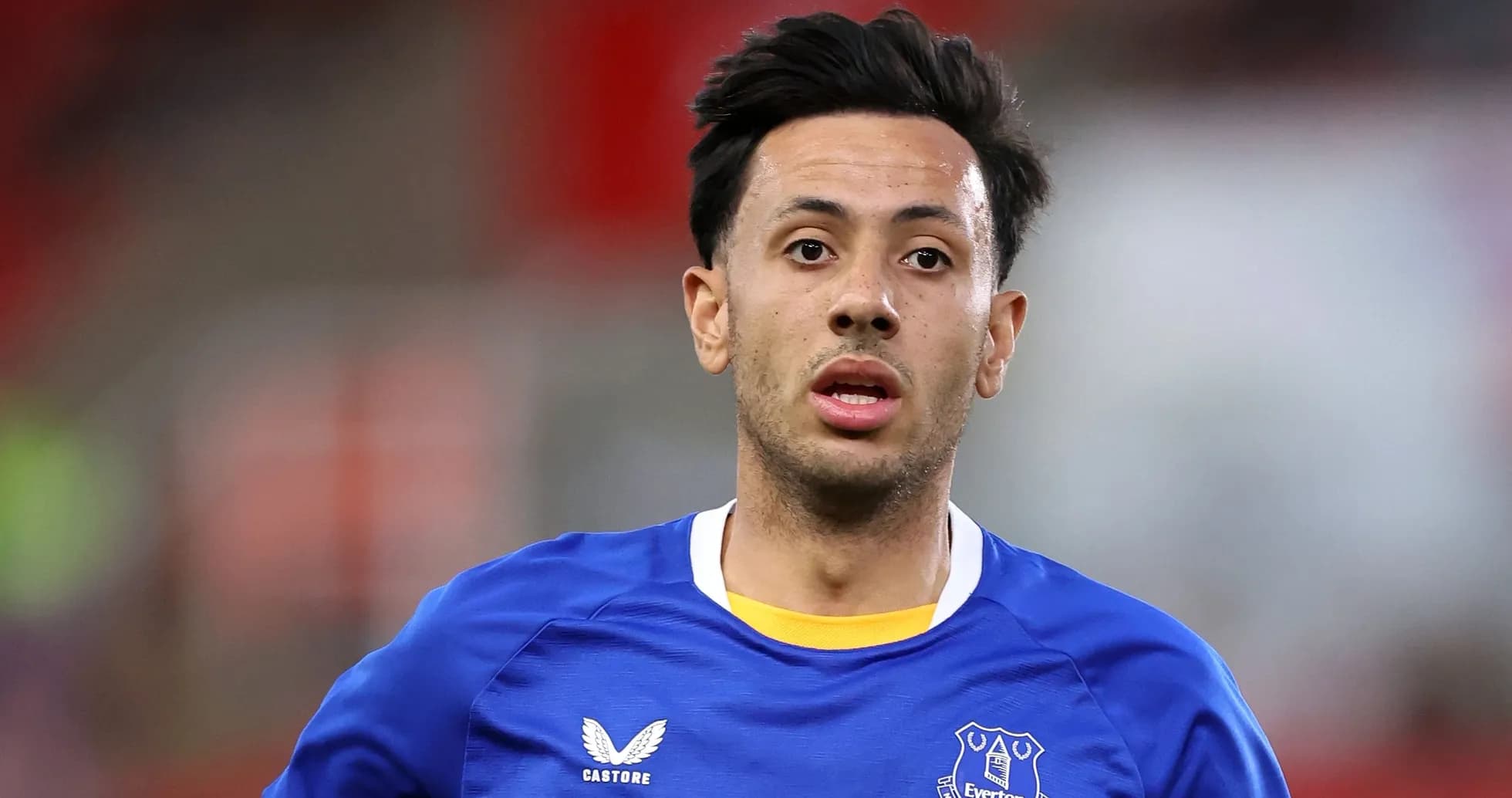
The collapse of McNeil’s proposed move to South London on February’s deadline day did more than scupper a transfer. It left a trail of anger, confusion and emotional exhaustion around a player who had been led to believe his career was about to change.
What should have been a routine conclusion to weeks of negotiation instead unravelled in a fog of administrative confusion. Paperwork stalled, clarity never arrived, and as the clock ticked down, the deal simply fell apart. No explanation, no proper debrief. Just silence where there should have been answers.
Inside McNeil’s camp, the disappointment ran deep. This was not a late change of heart or a tactical rethink. From their perspective, it felt like a promise withdrawn at the very moment it was supposed to be honoured.
That sense of betrayal burst into public view through an emotional social media post from McNeil’s partner, Megan Sharpley. She did not tiptoe around the issue. She went straight for the heart of the matter: how football treats the mental health of its players.
“We live in a world where everyone is aware of how big a problem mental health is,” she wrote. “So, in football, why do we find it acceptable because these young men are on a lot of money and that's OK to mess and toy with their mental health and that it's just part of the job?”
It was a blunt question, and it cut through the usual noise that surrounds transfer drama. This was not about tactics, wages or contract length. It was about the human cost of a system that can drag a player through weeks of hope and tension, only to drop him without warning.
Sharpley described an “emotional rollercoaster” in which McNeil had been “dragged along” and “toyed with until the final minute.” The final line of her post carried the rawness of the moment: “For that to be torn away from you at the last second with absolutely no explanation has hurt more than I can say.”
Transfers fall through every window. Deals collapse, clubs pivot, players move on. But the fallout from this one underlined a growing question for the game: how long can football treat the mental strain of these high‑stakes negotiations as just another part of the job?

