.svg&w=384&q=75 "GoalGist logo")
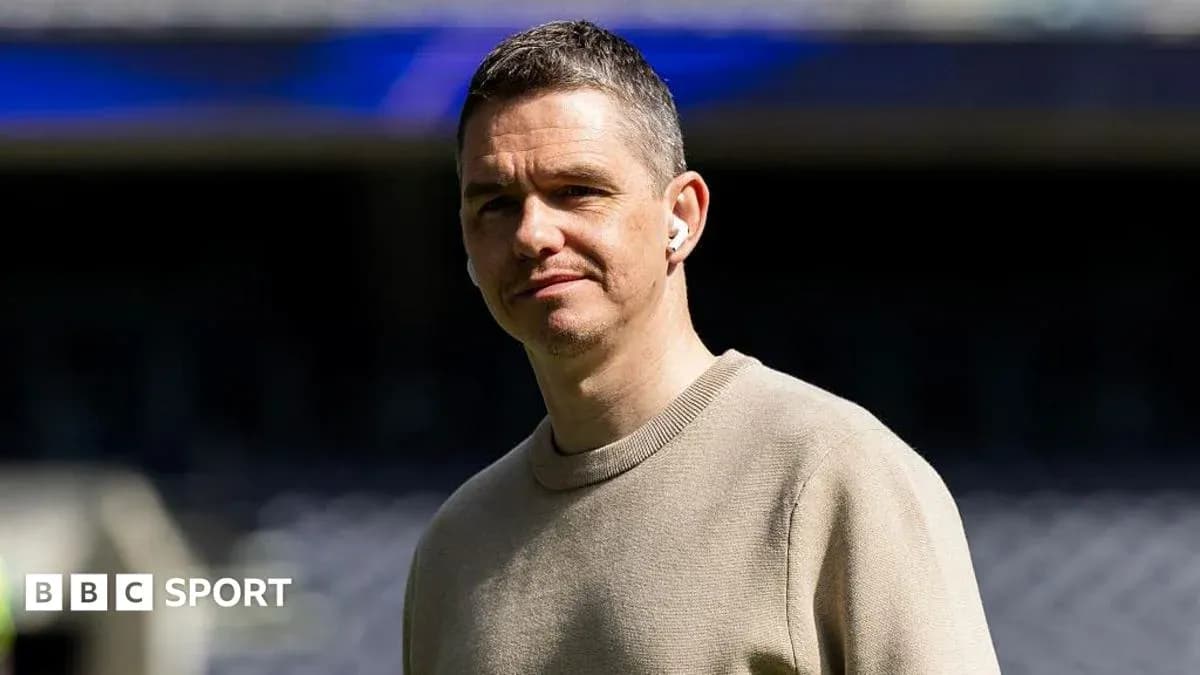
Marc Skinner Leaves Manchester United Women Before WSL Season
Manchester United’s first major trophy in the women’s game will always carry Marc Skinner’s fingerprints. His name, though, is no longer on the manager’s door at Carrington.
The 43-year-old has left his role by mutual consent, stepping away barely a month before United kick off their Women’s Super League campaign at London City Lionesses on 4 September.
It ends a five-year spell that dragged the club from hopeful newcomer to serious contender – and exposed the tension between ambition and investment at Old Trafford.
A first major trophy – and a ceiling
Skinner delivered what no United women’s manager had done before him: silverware. The 2024 Women’s FA Cup, won under the arch at Wembley, gave the project its first defining moment and a tangible sign of progress.
He also steered United into the Women’s Champions League group stages for the first time last season, a landmark step in a league where European places are fiercely guarded by established giants.
Yet the story of his tenure is also one of near-misses. United finished runners-up in three domestic cup finals, close enough to taste a dynasty but not quite close enough to build one. Each defeat sharpened questions about depth, recruitment and whether the club were truly matching the standards of their rivals.
Investment questions and a quiet summer
Skinner, formerly of Birmingham City, did not hide his concerns over the level of investment in his squad. As Manchester City, Arsenal and Chelsea refreshed and reinforced, United’s summer stayed conspicuously quiet.
The club has shifted its recruitment strategy, moving towards younger profiles and talking about sustainable, long-term success. That approach might make sense on a balance sheet. It is harder to sell to a manager trying to keep pace with teams signing proven world-class talent.
Supporters have watched the window unfold with growing irritation. While United looked inward, London City Lionesses – who finished fifth last season – made one of the statements of the summer by landing two-time Ballon d’Or winner Alexia Putellas. Tottenham brought in Lyon defender Alice Sombath to strengthen their back line.
Against that backdrop, Skinner’s concerns over backing took on a sharper edge. The gap between the club’s rhetoric and the spending of their rivals became impossible to ignore.
Change at Carrington, and behind the scenes
There have been positive structural moves. The girls’ academy will train at Carrington this season, integrating more closely with the club’s main football operation. For a side talking about development and pathways, it is a significant step.
But a modern women’s side lives and dies by the quality of its senior squad. The sense that United were standing still while others accelerated only added to the pressure on the manager.
Discussions between Skinner and the club took place over the summer. Out of those talks came a mutual decision to part ways, with both sides accepting that the project, at least in its current form, had run its course.
What United want next
United insist they are already deep into the process of finding a successor. Background checks on candidates are described as “advanced”, with the profile of the next head coach clearly defined.
Top of the list: a proven track record in developing players.
It fits the club’s pivot towards youth and long-term planning. The next manager will be asked not just to win now, but to mould the next generation, to turn the promise of Carrington and the academy into a squad capable of standing toe-to-toe with England’s and Europe’s elite.
The fixture list offers no time for transition. London City Lionesses await on 4 September under the lights, armed with a marquee signing and the belief that the old order can be challenged.
United’s first major trophy is in the cabinet. The question now is whether the club’s next move will allow that to be a starting point – or the high-water mark of an era that ended just as the WSL arms race truly began.