.svg&w=384&q=75 "GoalGist logo")
Marc-André ter Stegen Becomes Germany's New No. 1 Goalkeeper
Marc-André ter Stegen has finally stepped out of Manuel Neuer’s shadow. Jürgen Klopp has made it official: Germany has a new No. 1.
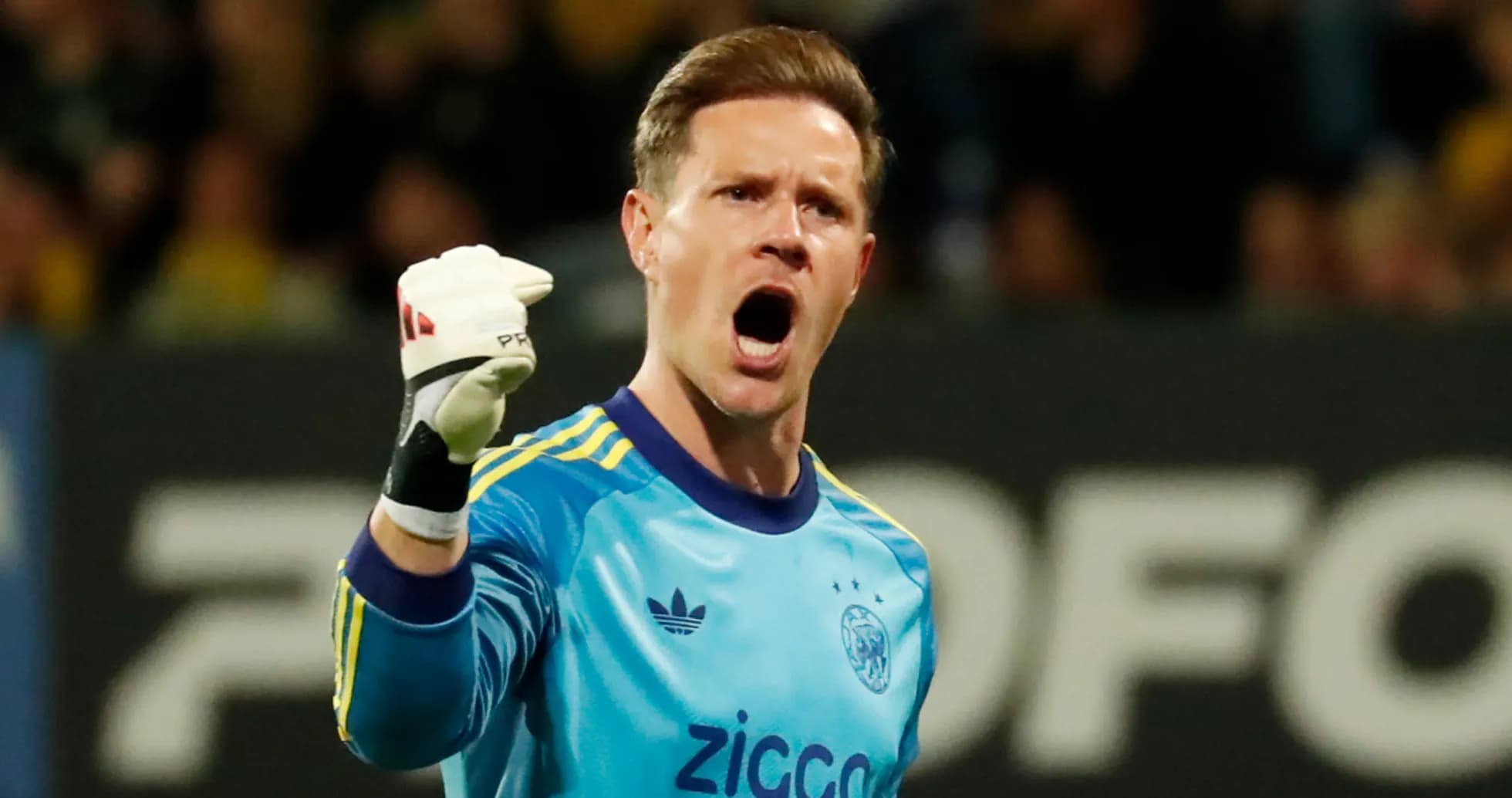
After years of waiting behind one of the greatest goalkeepers the game has seen, the Barcelona keeper – currently rebuilding his rhythm on loan at Ajax – has been handed the gloves for Die Mannschaft. No more rotation. No more debates. A clear hierarchy at last.
Klopp, never one to dance around a decision, underlined exactly that. Asked if he now has a first-choice goalkeeper, he was blunt: “Yes, for the moment, there is one, Marc-Andre ter Stegen.” For a coach intent on reshaping a national side that has lost its way, stability at the back is non-negotiable.
This changing of the guard comes in the wake of Neuer’s decision to retire from international duty, closing the book on one of the most decorated careers in German football history. World Cup winner, Bayern Munich captain, the man who redefined the sweeper-keeper role – his absence leaves a chasm in both presence and pedigree.
Klopp didn’t shy away from that reality, but he was equally firm that the next chapter belongs to Ter Stegen. The 32-year-old has long been regarded as world-class, often stuck in the cruel role of being the second-best German goalkeeper of his era. Klopp pointed to timing and misfortune as the main reasons the baton wasn’t passed earlier: Ter Stegen’s injury at a key moment stalled what many saw as an inevitable succession.
Now, the timing finally aligns. Ter Stegen is fit. He looks like the same agile, commanding figure he was before his setback. Klopp highlighted his experience, his calm, his presence – the sort of qualities that can anchor a dressing room while a new generation grows around him. The message was clear: the shirt is his, but it must be earned every game. “Everything depends on performance.”
This decision is not an isolated call; it sits inside a broader reset. Klopp has named a sprawling 44-man pool, split into two squads for the upcoming international break. It’s a statement of intent as much as a selection list: nobody’s place is guaranteed, and the talent base will be stress-tested under competitive fire in the UEFA Nations League.
Alongside Ter Stegen, Augsburg’s Finn Dahmen and Besiktas goalkeeper Alexander Nübel have been brought in for the first two fixtures. Dahmen, notably, is the constant thread, the only keeper named in both squads. He will work with Freiburg’s Noah Atubolu and Bayern Munich’s Jonas Urbig as Klopp runs the rule over the next wave of German goalkeeping.
The schedule offers no gentle introduction. Germany will face the Netherlands, Greece, Serbia, and then a reverse fixture against Greece in a packed Nations League window. Four games, two squads, one coach trying to piece together a new identity on the fly.
For Ter Stegen, these matches are more than just another set of caps. They are his first real run as the undisputed leader of Germany’s last line of defence. For Klopp, they are the first hard look at whether his chosen spine – with Ter Stegen at its base – can carry the weight of a country that expects to compete for trophies, not just rebuild.
The Neuer era is over. The gloves now belong to Ter Stegen. The next few weeks will show whether this is merely a symbolic handover, or the start of a new golden chapter in Germany’s goalkeeping tradition.