.svg&w=384&q=75 "GoalGist logo")
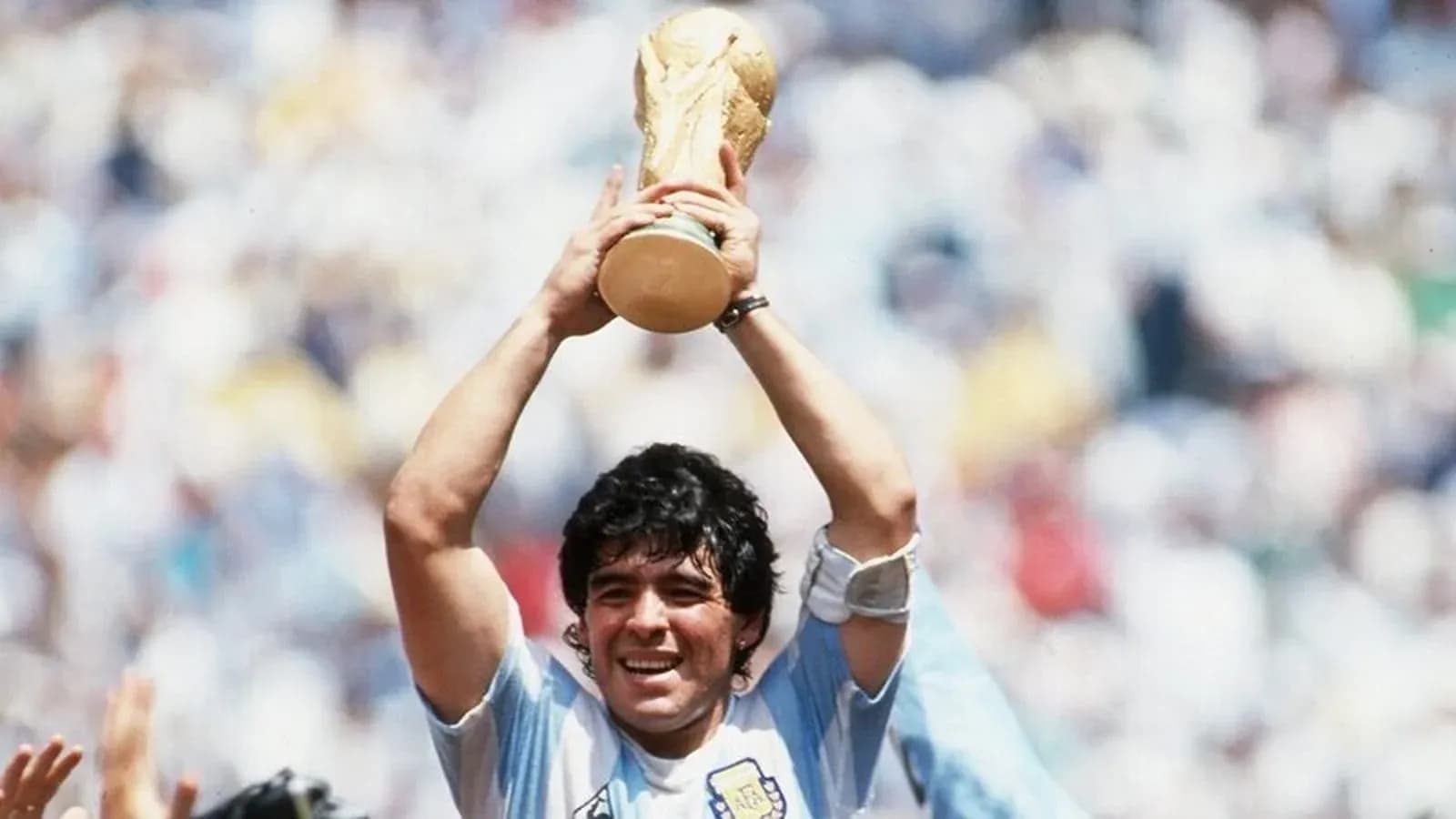
Maradona Trial Suspended Over Kidney Test Controversy
The courtroom saga over the death of Diego Maradona has been thrown into fresh chaos, after a dramatic challenge to key medical evidence forced the trial to be suspended.
Hearings in Buenos Aires have been adjourned until 27 August, as judges move to verify a stunning claim from the defence: that kidney test results presented as belonging to the 1986 World Cup icon were in fact those of his late father, also named Diego Maradona, who died in 2015.
Seven healthcare workers stand accused of criminal negligence over the care the Argentina legend received in the days leading up to his death at the age of 60 in November 2020. Maradona was convalescing at a rented home in the Tigre suburb after surgery for a brain clot when he died of heart failure and acute pulmonary edema, a build-up of fluid in the lungs.
Prosecutors argue that his medical team failed him in those crucial final days. The defendants insist they did not.
A trial that refuses to settle
This is already the second attempt to bring the case to a verdict.
The original trial, which had run for two-and-a-half months, was abruptly annulled last year when it emerged that one of the judges had secretly taken part in a clandestine documentary about the case. A new panel, a new process, and a renewed push for answers followed.
The retrial began in April and had been edging towards its conclusion. Witnesses had been heard, arguments sharpened, the end seemingly in sight.
Then came the kidney tests.
According to the defence, those results – central to assessing Maradona’s condition and the quality of his care – did not belong to the former Napoli and Boca Juniors star at all, but to his father. If that is confirmed, it would strike at the heart of the medical commission assembled to analyse the circumstances of the death, and which has been sharply critical of the treatment he received.
One of its members, a nephrologist, testified on Tuesday that Maradona’s kidney condition should have set off alarms among his doctors. He told the court the footballer should have been subjected to daily medical checkups, constant nursing care, regular blood tests and close monitoring of his vital signs.
For the prosecution, that evidence underlines a pattern: a patient of extreme vulnerability, with complex needs, allegedly left without the level of supervision his situation demanded.
Prosecution defiant, defence under scrutiny
The revelation over the kidney tests has not shaken the prosecutors’ public stance.
“They (the defense) will not succeed in bringing down the trial,” prosecutor Patricio Ferrari said, insisting the alleged mix-up does not jeopardise the core of the case.
The defence, for its part, has so far resisted turning this into a bid to blow the entire process apart. A lawyer representing nurse Nancy Forlini, one of the seven accused, rejected any plan to seek a mistrial.
“I want this case to end so that my client knows her judicial fate,” he said, capturing the fatigue and tension that now hangs over a trial repeatedly knocked off course.
Yet the implications of the disputed tests are impossible to ignore. If the court confirms that such a fundamental piece of evidence was misattributed, the credibility of the medical commission will come under fierce attack, and with it, the reliability of some of the harshest assessments of Maradona’s care.
The nephrologist who spoke on Tuesday is part of that very commission.
Another delay in the search for accountability
What remains is a stark picture. A global icon dies at home, two weeks after brain surgery. His team of doctors and nurses is accused of providing inadequate care. They deny any wrongdoing. A first trial collapses amid scandal. A second is now paused by a potential evidentiary error of the most basic kind: whose body do these test results actually describe?
The hearings will resume at the end of August, with the court under pressure to untangle not just the medical details of Maradona’s final days, but the integrity of the process itself.
Argentina has waited nearly four years for a definitive legal answer to a simple, searing question: who, if anyone, will be held responsible for the way Diego Maradona died?