.svg&w=384&q=75 "GoalGist logo")
Manchester United's Future Strategy: Protecting Academy Talents Ogunneye and Scanlon
Manchester United are preparing to wave goodbye to two of their academy prospects this summer – but not without protecting their future interests.
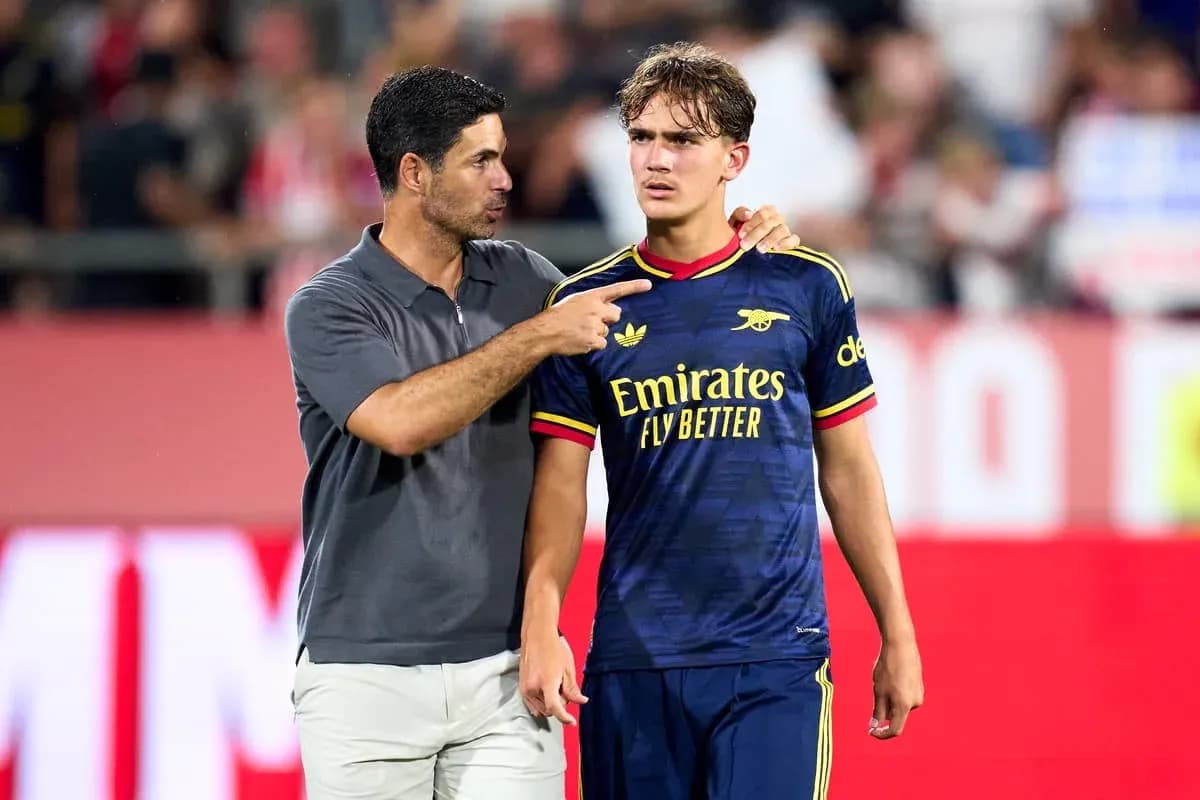
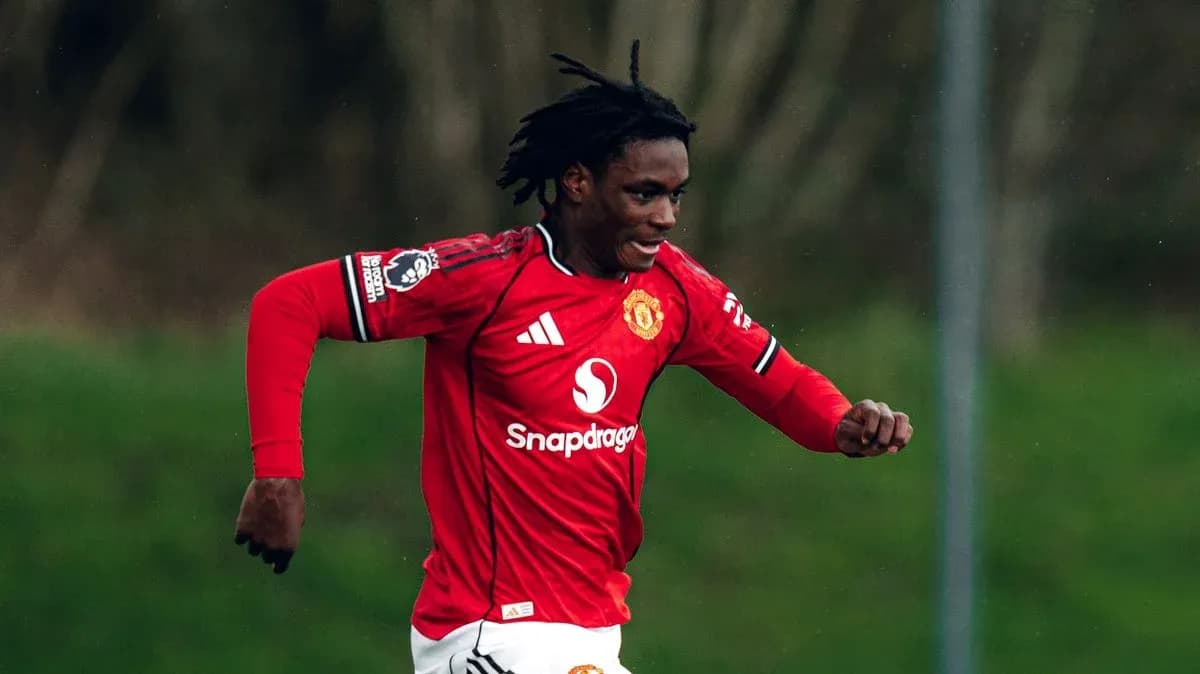
Right-back Habeeb Ogunneye and winger James Scanlon are both heading for Arsenal, with United inserting sizeable sell-on clauses into each deal, according to The Athletic.
Ogunneye, 20, has already undergone a medical with the Gunners ahead of a proposed switch from Old Trafford. Scanlon, 19, is also understood to be close to finalising his move, with both transfers expected to go through as free deals in terms of upfront fees.
Free, though, does not mean cheap in the long run. United have moved aggressively to ensure they stay financially tied to the pair’s careers, banking on the possibility that their value will rise away from Manchester.
Arsenal links and a familiar face
Both Ogunneye and Scanlon will walk into an Arsenal set-up that already knows them well. The club’s new under-21 head coach, David Horseman, spent four months at United as an academy coach and worked with the duo during his brief spell there.
That familiarity has helped smooth the path to north London. For Arsenal, it is a low-risk, potentially high-reward punt on two young players who have been schooled in one of England’s most storied academies. For United, it is another example of a shifting strategy: if youngsters can’t break into the first team, they still need to become assets.
United’s academy becomes a revenue machine
The Premier League’s Elite Player Performance Plan reshaped the academy landscape. Producing first-team players remains the dream, but developing saleable talent has become almost as important – especially under the pressure of financial regulations.
Chelsea have set the benchmark, generating over £400 million from academy graduates. Homegrown sales are treated as pure profit in the books, a crucial lever under the old PSR (profit and sustainability) rules and any future financial framework.
United are now trying to close that gap.
This summer has already seen a stream of youngsters depart on carefully structured deals. League One side Stockport County landed winger Ethan Ennis last week, beating off competition to secure his signature.
He followed Ethan Williams, who joined Peterborough United; goalkeeper Radek Vitek, now at Middlesbrough; and defender Tyler Fredricson, who has moved to Ineos-owned Lausanne Sport.
The pattern is clear. Williams’ exit included a 50 per cent sell-on clause, a buyback option and matching rights. Vitek left for a substantial fee that could rise to £14m, with a 35 per cent sell-on plus buyback and matching rights. Fredricson’s move carried what has been described as a “high percentage” sell-on clause and a buyback option.
Ogunneye and Scanlon are the latest to follow that template. United are no longer simply cutting loose their nearly-men. They are wiring their futures into the club’s balance sheet.
Ratcliffe’s vision taking shape
This is exactly the kind of machinery Sir Jim Ratcliffe wants humming in the background at Old Trafford.
"You need the academy to be producing talent all the time. It helps you financially," he said on The Business Podcast last October, outlining a vision of an academy that feeds both the first team and the accounts.
United’s hierarchy has clearly taken that message to heart. Even when a pathway to Erik ten Hag’s side is blocked, the club is determined not to lose control of potential value.
So Ogunneye and Scanlon may never run out at Old Trafford in United red. But if they thrive under Horseman’s guidance and climb the ladder at Arsenal or beyond, the financial echo will still be heard back in Manchester.
The question now is simple: how many of these carefully structured exits will United turn into major paydays – and how many might they one day be tempted to buy back?