.svg&w=384&q=75 "GoalGist logo")
Manchester City Faces Porto with New Tactics and Leadership
Manchester City land in Porto on Tuesday night with the familiar weight of Champions League expectation on their backs – and a few fresh twists to the story.
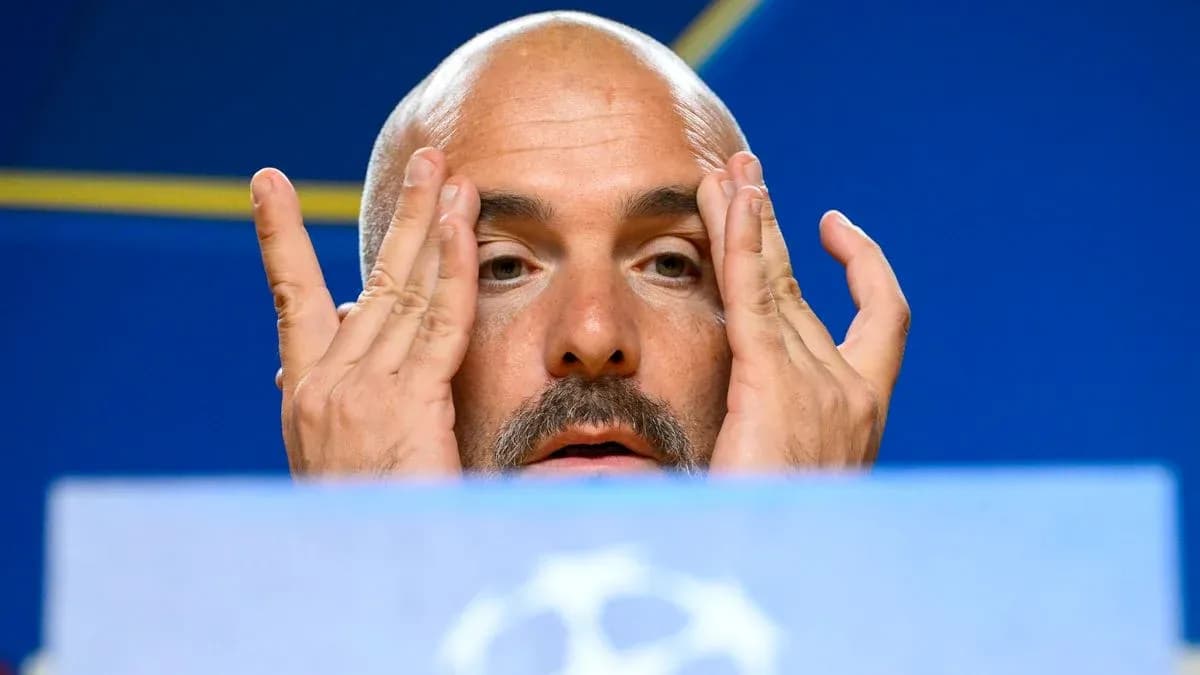
Enzo Maresca, taking charge of his first European game as City head coach, cut a calm but sharp figure as he addressed injuries, tactics and even the soundtrack to training. Matheus Nunes followed, speaking like a man who has had to fight his way back into the picture and is in no mood to let the opportunity slip.
O’Reilly hope, Doku doubt
City’s squad for the Group Stage opener has travelled without Nico O’Reilly and Jeremy Doku, but Maresca’s update carried a different tone for each.
O’Reilly, who pulled out of the warm-up before City’s win over Coventry at the weekend, is in contention for the Manchester derby. The issue is not considered serious and Maresca sounded confident the young midfielder could return in time for Sunday’s meeting with United.
Doku’s situation is more frustrating. Injured in the Community Shield, the Belgium winger was initially expected to miss only a couple of weeks. That timeline has stretched. Maresca confirmed there has been no setback and said Doku is “back”, yet the 22-year-old still looks likely to sit out at least the first five games of the season and is not expected to be available for the weekend either.
City will have to chase an early statement in Europe without one of their most explosive one‑v‑one threats.
Haaland’s evolution and the captain’s armband
Inside the dressing room, Erling Haaland’s status has shifted. Maresca was clear: the Norwegian is no longer just the ruthless finisher.
“He is the second captain. He is a figure. He has won everything for the club,” the Italian said, stressing how Haaland’s leadership has grown. Off the pitch, life has changed too. Haaland is now a father, and Maresca described him as “complete” – still a top-class striker, but now a family man anchoring the group.
That doesn’t mean City will run him into the ground. Maresca acknowledged the mental and physical toll on players who carry heavy loads for club and country. When fatigue shows, Haaland will be rested – for a game, for a week, whatever it takes to keep his key men at “100 per cent”.
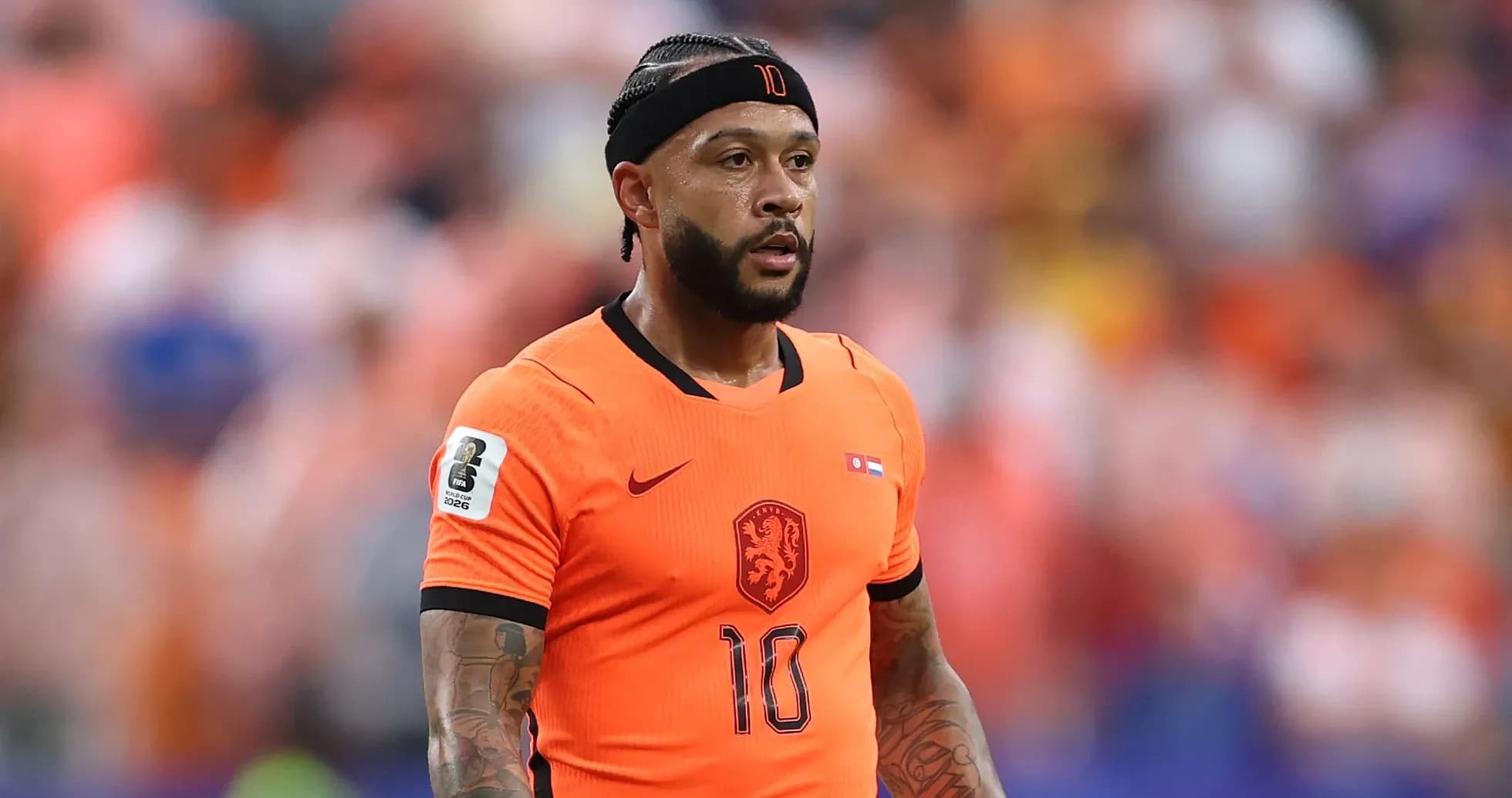
Nunes: right-back, midfielder, survivor
If there’s a symbol of Maresca’s tactical flexibility, it might be Matheus Nunes.
The Portugal international has found himself operating at right-back at times, stepping into a role that demands defensive discipline and attacking ambition in equal measure. He isn’t complaining.
“I can play any position. I feel happy at right-back,” Nunes said, though he still views himself as a midfielder at heart. The overlap suits him. “Going forward to attack is something I am used to. When I play I will try to do my best. When Mister decides me to play in one position, that is where I will play.”
His start to the season was disrupted by an ankle problem picked up in training before the Arsenal game, but that chapter is closed. “I’m good, I am 100 per cent,” he insisted. The tone was decisive, not tentative.
Nunes also spoke warmly about Maresca’s impact. “He has brought so much energy, there feels like a new energy around. He sets the standard.” For a squad that has already won everything, that sense of renewal matters.
Porto: fighters with a new face
Maresca knows Porto’s reputation. So does Nunes, who has faced them often enough to understand the demands of a night at Estádio do Dragão.
“It is going to be tough. All teams have great players,” Nunes said, singling out Pepe – “a great forward” who “plays very well with his two feet” – and relishing what he called a “beautiful duel”.
He stopped short of calling this City’s most complicated tie. “Arsenal was complicated, Palace was complicated. We are facing one of the best teams in Portugal. I am sure it will be a difficult one. We have to be at our best level.”
From the outside, Porto may look familiar: intense, combative, aggressive in the duels. Nunes, though, sees a clear evolution from the transition-heavy side he once faced regularly in Portugal.
“From what I have seen, I think they really enjoy playing now, they much enjoy controlling the game. That is a huge difference. When I was playing here, it was transition football. It is part of their DNA to be fighters.”
Maresca echoed the respect. “Very, very good team,” he said. “The team is very clear the way they play. They have a clear style so congratulations to them.” Set pieces, he warned, will be a major weapon. “You need to be perfect in your game.”
As for the favourites tag, he brushed it aside. “We are here to do our best. The game will dictate who is favourites. It is a hard place to come, difficult place. We are going to try and do our best and try to win the game.”
Maresca, Guardiola and the blueprint
Nunes has worked under both Pep Guardiola and Maresca. The temptation to compare is obvious; he resisted going too far, but one line stood out.
“I was with Pep for three seasons and Enzo just a couple of months. Maybe in a few months I can answer that question,” he said. “They are both very passionate so I see more comparisons than differences.”
Maresca’s tweaks are already visible. One of them is almost impossible to miss: the music. He has brought a soundtrack to training and warm-ups, something he used at Leicester and Chelsea and has now introduced at City.
“When it is playing, they are happy. They choose the music,” he explained. Nunes is all for it. “I like it, why not. All of them want to be DJs,” he joked.
On the pitch, Maresca’s structure demands technical control and positional intelligence. Rayan Cherki is a prime example. The Italian detailed how the Frenchman drops deep to manage tempo in City’s own half, then pushes higher in the final third to deliver the last pass. “He gives us quality,” Maresca said, pointing to Cherki’s role in the second goal against Bournemouth and adding that Phil Foden can do that job between the lines as well. “We are very lucky.”
The same clarity runs through his view on transfers. Nunes praised the club’s recruitment, saying the new arrivals “were the best players at the other teams” and insisting the squad is focused on helping them settle. Maresca, asked about pressure after heavy spending, kept his eyes on the process: at City, expectations are always high, but his obsession is daily improvement.
New format, same demand
The Champions League itself has changed, with the new format demanding fresh adaptation. Maresca, who was on the staff during City’s Treble season and has European experience from Chelsea, didn’t dress it up.
“It's always special, a nice competition, we need to adapt. It is a different competition but the ambition is still the same.”
Nunes didn’t dilute the target either. “Every year is different. The Champions League is the most difficult tournament, especially in the knockouts. You don't play well, you are out. In the Premier League, you can come back. We want to win every season. This year will be no different.”
Porto away, new coach, new format, a few key injuries, a captaincy shift, and a squad already talking about lifting the trophy again.
For Manchester City, the stage is familiar. The questions start getting answered on Tuesday night.