.svg&w=384&q=75 "GoalGist logo")
Luka Modric's Departure from Tottenham: A Lasting Impact
There are transfers, and then there are fractures. For many Tottenham supporters, Luka Modric’s exit in 2012 still sits somewhere in between – a clean break on paper, but one that never quite healed the same way.
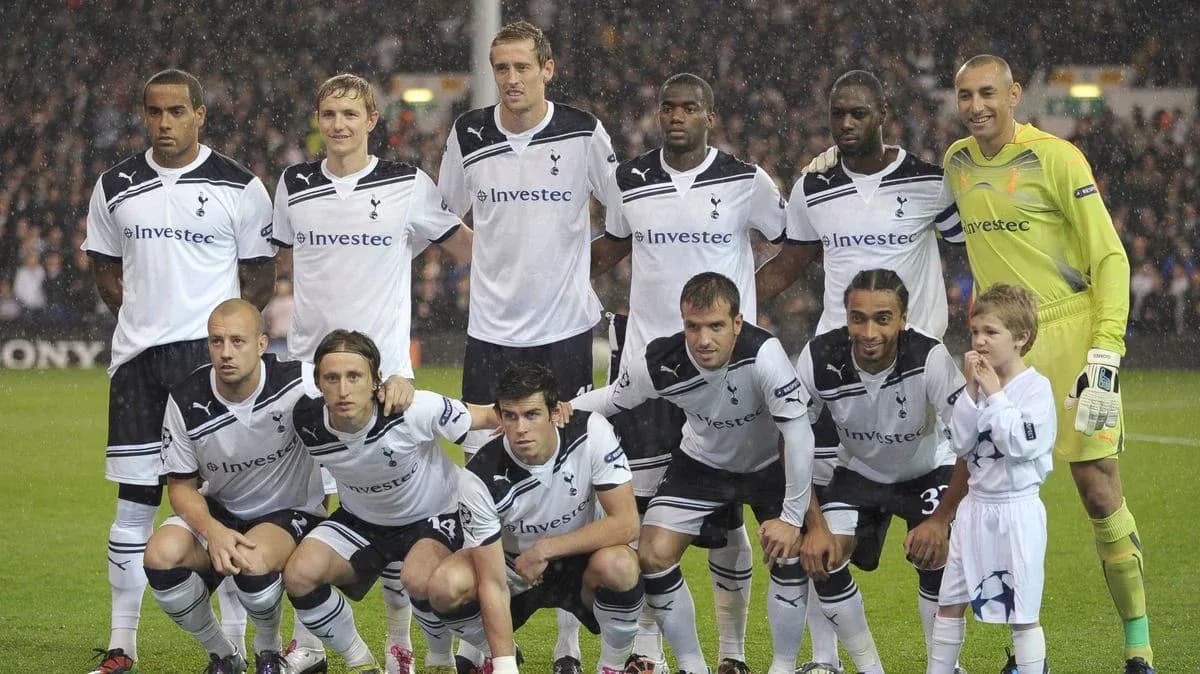
By then, Modric was not just a fine signing. He was the heartbeat. The slight playmaker who had arrived from Dinamo Zagreb in 2008 had grown into one of the Premier League’s most elegant midfielders, a leader in everything but armband. He drove Croatia at Euro 2012, dictated games for Spurs and caught the eye of Europe’s biggest clubs.
Real Madrid came calling. Jose Mourinho wanted him. Real identified him as a priority. And Modric, approaching his peak at 26, decided this was the moment his career had to change.
He had already tested Tottenham’s resolve once, trying to force a move to Chelsea a year earlier. Spurs held firm then. This time, he pushed harder.
The flashpoint came in pre-season. As the squad prepared to fly to the United States for their summer tour, Modric simply didn’t show. No injury, no late excuse. He stayed away, a deliberate act to jolt the club into action and edge himself closer to the Bernabeu.
Tottenham responded with a fine – two weeks’ wages – and tried to keep him. They resisted, they negotiated, they delayed. But everyone inside the game knew where this story was heading. By the end of August 2012, the deal was done: Modric to Real Madrid for around £33 million, a six-year contract in Spain and an era in north London abruptly closed.
Andre Villas-Boas, then in charge at Spurs, spoke publicly of his disappointment. Modric, he said, had apologised for the way he’d handled the situation. The apology didn’t change the outcome. The club lost its conductor, and the manner of the exit left a mark.
Years later, Modric would admit it left a mark on him too. Speaking in 2018, he called that period one of his biggest regrets, not just for the missed silverware but for how he walked away from a club that had given him a platform.
“My one regret is that I didn’t win a trophy with Tottenham, despite us being a strong team who played good, attractive football,” he said. “I’m sorry for the way I left. I wish we had parted in a nicer way. I hope fans understand that I followed my dreams.”
Those dreams, it must be said, were realised in full. In Madrid, Modric didn’t just win; he dominated an era. Six Champions League titles. Four La Liga crowns. Five FIFA Club World Cups. Two Copas del Rey. Individual honours and a legacy that will carry him into any conversation about the greatest midfielders of his generation.
From Tottenham’s point of view, that success only sharpens one nagging thought: did they sell too cheap, too soon? When Modric left, he still had four years remaining on a six-year deal. Just a year later, Gareth Bale, his former team-mate at Spurs, would follow him to Real Madrid for £89 million – a fee that dwarfed Modric’s.
The contrast still jars. One of the most complete midfielders of his time, four years tied down, sold for less than half of what Bale commanded 12 months later. In the cold light of hindsight, it looks like a rare moment where Spurs misjudged their own leverage.
Yet the story is not only about numbers. It is about emotion. For a section of the fanbase, the missed flight and the pressure tactics permanently dented Modric’s standing. Icons, they argue, do not walk away like that. Others look at the trophies, the Ballon d’Or-level performances, the chance to run Real Madrid’s midfield for more than a decade, and simply nod in reluctant understanding.
He chased the pinnacle. Tottenham, at that time, could not offer it.
Remarkably, Modric is still going. Now at AC Milan, he has extended his stay at San Siro with a new one-year deal, closing in on his 41st birthday and still operating at the top level. Longevity has become another line in his legend.
Back in north London, the landscape has shifted. Tottenham are now the club applying pressure in the market, having spent close to £250 million on new signings this summer. They are the ones demanding premium fees, insisting on control, trying to shape their own future instead of reacting to others.
Yet the Modric saga lingers as a lesson. A reminder of how quickly a relationship with a star can sour, how a single act – a missed flight, a refusal to tour – can turn admiration into anger, and how the timing of a sale can echo for years.
The question for Spurs now is simple: when the next world-class talent decides his dream lies elsewhere, will they handle it any better than they did with Luka Modric?