.svg&w=384&q=75 "GoalGist logo")
Liverpool's Toxic Transfer Window Sparks Fan Outrage
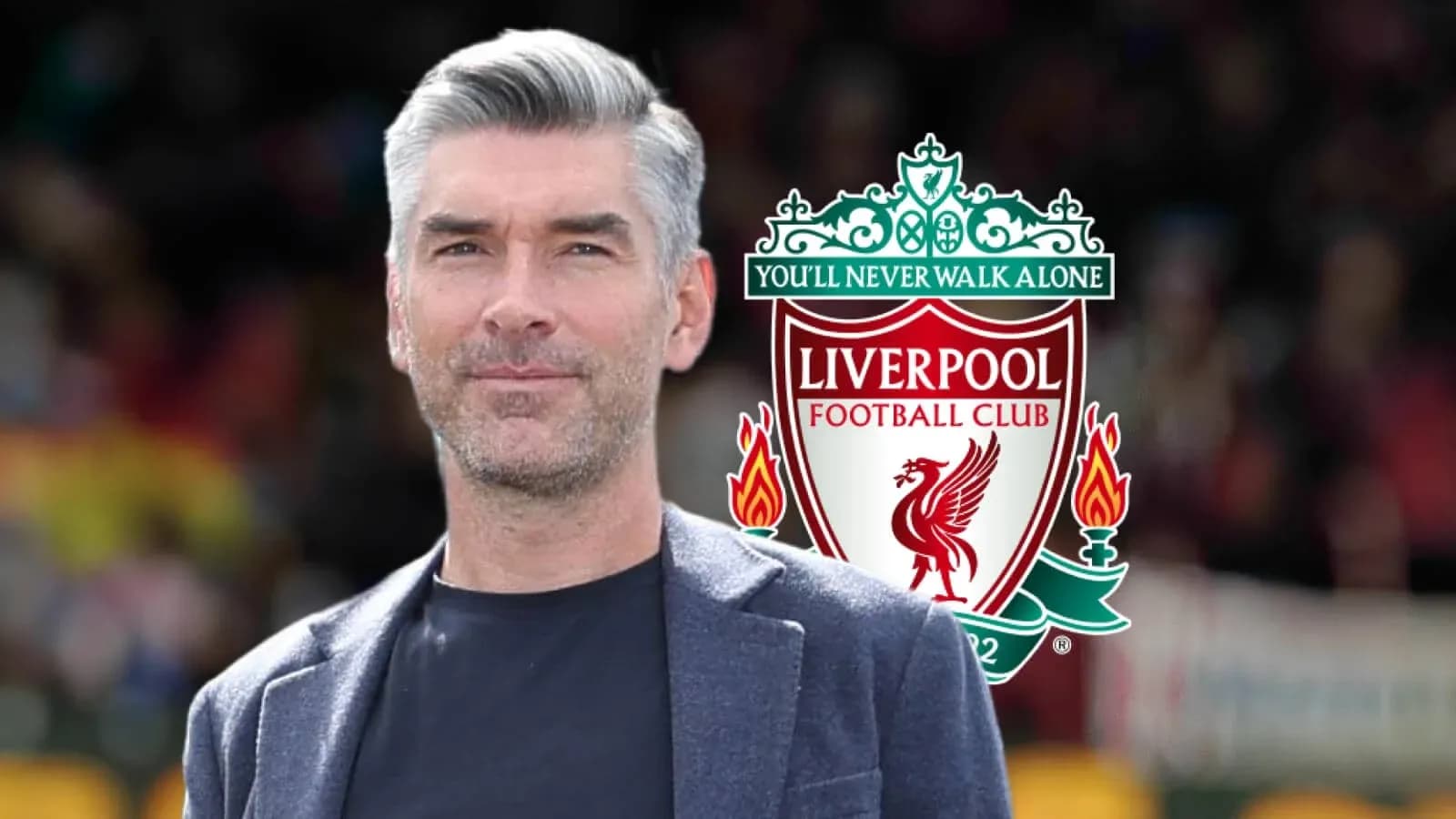
Liverpool’s summer was supposed to be a statement. Instead, it has become a public inquest, and Richard Hughes is right at the centre of the storm.
The new sporting director, only months into the job, is already being painted as the architect of a chaotic window by furious supporters who see a title-winning squad being stripped, not sharpened. The tone from the fanbase has shifted from anxiety to outright anger.
From swagger to scramble
The backdrop makes the current mess feel even more jarring. Not long ago, Liverpool were Premier League champions and operating with the ruthless clarity of an elite club.
That title was followed by a lavish, aggressive window: Florian Wirtz and Jeremy Frimpong arrived from a Bundesliga-winning Bayer Leverkusen side, Hugo Ekitike was plucked from Newcastle in what fans gleefully framed as a “middle finger” move, and Alexander Isak – at the time arguably the best centre-forward in the division – was brought in to spearhead the attack.
Rival fans were spooked. Liverpool were being tipped for another title before a ball had been kicked. That season did not play out as billed, but the ambition was unmistakable.
This summer feels like the mirror image. Players have been moved out with startling ease, even the highly rated Stefan Bajcetic, and supporters are staring at a depth chart that thins alarmingly once you move beyond the starting midfield three.
There is no replacement for Mohamed Salah, a generational goalscorer whose exit was telegraphed months in advance. No specialist holding midfielder to shield a back line left exposed by ultra-attacking full-backs. No clarity, just noise.
“How is it,” one fan asks, “that from anyone who plays eFootball or FC to ex-players, the captain and pundits, everyone agrees the team needs a holding midfielder and two wingers – and yet here we are?”
“Headless chickens” and a director in the firing line
The criticism of Hughes is not subtle. In another era, the argument goes, a sporting director on this salary, with this level of responsibility, would be removed for failing to cover the basics of squad building.
Liverpool’s late-window behaviour – lurching from Bradley Barcola to Yankuba Minteh to Ismaïla Sarr – has been described by one supporter as “running like headless chickens”. The complaint is not just about targets missed, but about planning that looks reactive rather than strategic.
There is, buried in the fury, some nuance. Victor Muñoz is picked out as the kind of signing Liverpool used to make their trademark: good value, high ceiling, minimal pressure, the sort of player the club historically turned into a star. But he is the exception in a window that, to many eyes, has lacked coherence.
One long-time fan in Mumbai says he will watch this season “without glaring expectations” and, crucially, without turning on the manager when the midfield is sliced open. That is a cultural shift at Anfield. The ire is moving upstairs.
The scenarios laid out are stark. Either Andoni Iraola produces something close to a miracle – a Pep–Sir Alex–Klopp hybrid season, as one letter puts it – or Liverpool slide into a long, Spurs-like, late-Wenger-Arsenal drift: entertaining, occasionally brilliant, but ultimately short of the biggest prizes.
“Wtf is going on at Liverpool?”
The sense of disbelief is not confined to one region or one age group. From Limerick comes the same question, just stripped of diplomacy: “Wtf is going on at Liverpool?”
Salah’s departure was no secret, yet Liverpool entered the season scrambling for a replacement with the league already underway. The names are familiar: Barcola, Sarr, Mintah. None of them secured, none of them offering the kind of instant reassurance a restless fanbase craves.
The Newcastle game, an early-season marker, only deepened the concern. An energetic, direct side repeatedly turned Liverpool’s defence “on the hop”, exposing the absence of a true defensive midfielder and raising fresh doubts about full-backs who now have supporters “covering their eyes every time someone runs at them”.
While Arsenal, Manchester City, Chelsea, Spurs and even Aston Villa are perceived to be strengthening smartly, Liverpool fans feel their club are standing still, “with our proverbials in our hands”. For a side that “strolled to the league the season before last”, the idea of even Champions League qualification suddenly feels fragile.
The hope, faint as it sounds in these letters, is that Liverpool are preparing a late-window surge: three or four serious signings, the kind of shock-and-awe finish that transforms a narrative overnight. The fear is that this is it – that the window closes with glaring gaps still unfilled and a manager forced to improvise his way through a season that should have been a platform, not a reset.
Villa’s uneasy trade with Chelsea
The unease is not restricted to Merseyside. At Aston Villa, a different kind of anxiety is building, rooted in the club’s increasingly intimate transfer relationship with Chelsea.
The exits are striking. Morgan Rogers has gone, his fee inflated by the “English premium” and his potential still untapped. He had years left on his deal and, on his day, changed games. Set-piece coach Austin MacPhee has also departed, a move that will barely register nationally but one Villa fans know cuts deep; their threat from dead balls under his guidance was obvious, right up to Youri Tielemans’ Europa League final opener.
Hovering over it all is Emi Martínez. The Argentina No.1 has not left, but the signing of Zion Suzuki and Chelsea’s well-documented goalkeeping issues have supporters braced for what they fear is an inevitable bid. Losing the self-styled “best keeper in the world” – and a genuine transformative presence – to a direct rival would be a brutal blow.
Coming the other way, the deals are far less convincing to some Villa fans. Alejandro Garnacho is viewed with suspicion, likened to another Jadon Sancho situation rather than a guaranteed upgrade on the likes of Leon Bailey. Nicolas Jackson’s valuation leap from £32m to a reported £65m leaves supporters “shrugging shoulders”, wondering who exactly is winning these negotiations.
The concern is clear: in trying to smash through the glass ceiling and become a regular Champions League side, Villa are selling key assets to a rival while paying serious money for players Chelsea are prepared to discard. Ambition and Financial Fair Play realities are one thing; strengthening the very clubs you are trying to catch is quite another.
Unai Emery still commands total faith from the stands. His work since arriving has earned that. But as one fan puts it bluntly: “The maths ain’t mathing at all here.”
United: Emery whispers and cautious optimism
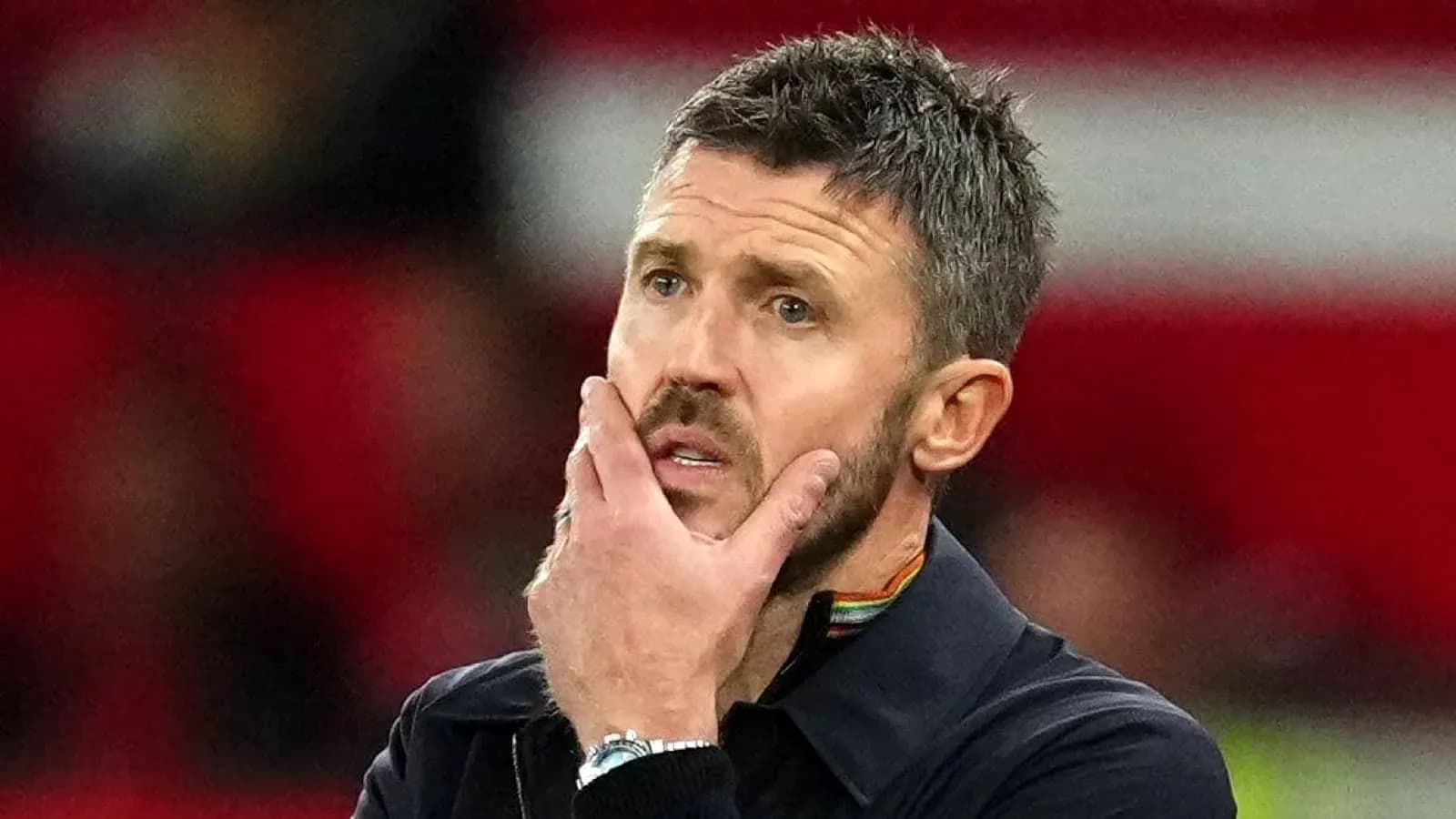
Emery’s name, intriguingly, is already being floated elsewhere. In Manchester, where Michael Carrick has been tasked with yet another rebuild, some United fans are already sketching out alternatives should the experiment fail.
One suggestion is obvious in its logic: Emery. A serial winner, a coach renowned for elevating the collective beyond the sum of its parts, and a manager who might start to look elsewhere if Villa keep selling under his feet. For United, that sounds like a “win-win”… unless you sit in the Holte End.
Not every United supporter is consumed by dread, though. There is a quieter, more patient strand of opinion emerging. The overhaul of the midfield – long overdue, now finally underway – has brought excitement and, with it, an acceptance that teething problems are inevitable.
The defeat to Hull dented the mood but also underlined the obvious: a completely rebuilt engine room needs time to find its rhythm. Carrick must learn his players just as they learn each other. Simple tactical calls, such as not using Youri Tielemans in a double pivot where his lack of legs is exposed, will come with matches.
Add a left-back and a back-up striker before the deadline and, for some, this becomes a “decent season”: back in the Champions League, a more likeable squad, Marcus Rashford smiling again. No one is expecting trophies to rain down, but after years of drift, “heading in vaguely the right direction” is, for now, enough.
Age, sport and the cost of chasing the dream
Beyond the transfer noise, a different kind of reflection is seeping into the conversation – one that has less to do with net spend and more to do with life itself.
One United fan writes from the edge of 40, a milestone that “lands heavy”. You start counting the years left rather than the years gone, he says, and football – once a weekly escape – now feels like it owes you at least a few moments that make you feel alive. When the team cannot provide that, the advice is simple: go back to the gym, find the sport you used to love playing, reclaim some of that feeling for yourself.
Another letter zooms out even further, using Raheem Sterling’s car crash and the NFL’s latest concussion data as a springboard to question what happens to the vast majority who never make it. The odds of turning youth promise into a professional career are microscopic. Many who fall short rebuild and thrive. Many do not.
Elite sport, the writer argues, “chews you up and spits you out”. For every Sterling who “lived large”, there are countless others who went all in, fell just short, and were left with broken bodies, no safety net and a dream that never quite materialised.
The Saudi question folds into that wider moral tangle. Some players, already millionaires, chase even greater wealth in a league backed by a state with a grim human-rights record. Others, like N’Golo Kanté, are praised for modest lifestyles and substantial charitable work. The judgment is sharp, but the writer admits the line between understandable choice and uncomfortable compromise is not always clean.
Across Liverpool’s fury, Villa’s unease, United’s cautious hope and the broader questions about money, age and risk, one theme keeps surfacing: accountability. For directors spending millions. For clubs selling their best players. For leagues built on petro-dollars. For a sport that offers glory to a few and silence to the many.
The transfer window will close, as it always does. The real reckoning – on the pitch, in the stands, and in the lives shaped by this game – will last a lot longer.