.svg&w=384&q=75 "GoalGist logo")
Liverpool's Potential Investment Deal with Jeff Bezos Consortium
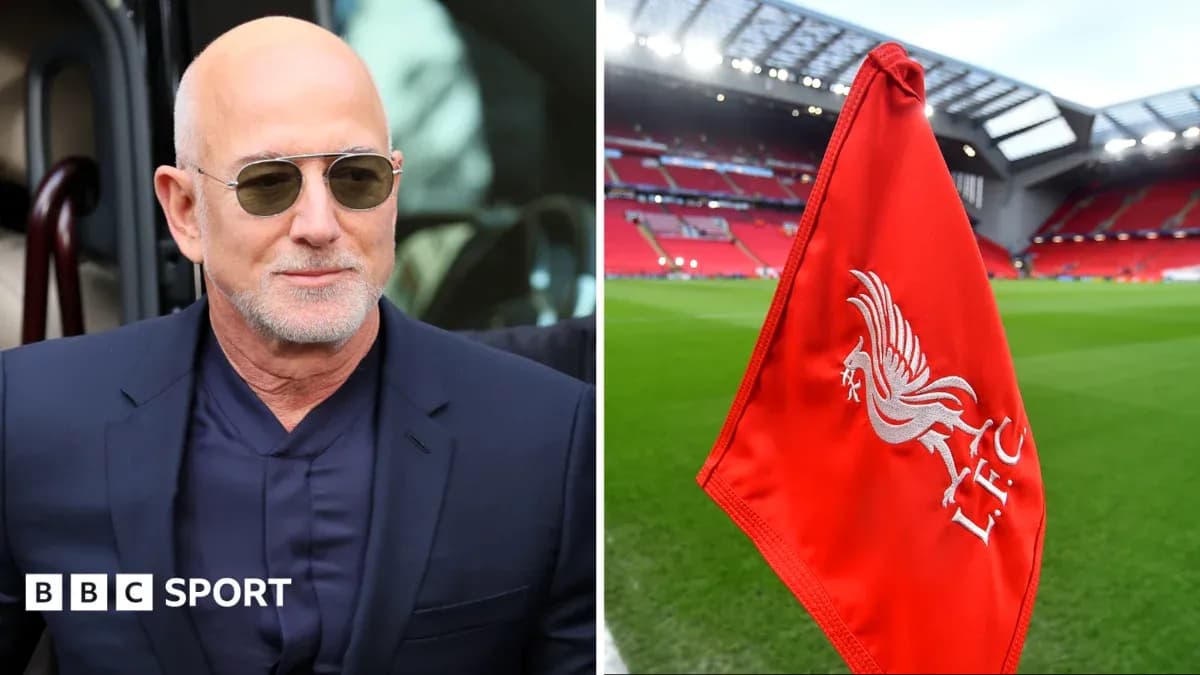
Liverpool are edging towards one of the most eye‑catching investment deals in Premier League history, with a heavyweight consortium featuring Amazon founder Jeff Bezos advancing talks to buy around 30% of the club.
The group is fronted by British-Indian businessman Amit Bhatia and also includes Facebook co-founder Eduardo Saverin, underlining the scale of global tech and finance now circling Anfield. BBC Sport has been told discussions over a strategic minority stake have moved forward, with the proposed share understood to be in the region of 30%.
Fenway Sports Group, Liverpool’s owners since 2010, confirmed last month that the consortium had “expressed interest in making a strategic minority investment in Liverpool Football Club”. That line was cautious. The names involved are anything but.
Bhatia brings deep football boardroom experience. The 44-year-old, son-in-law of Indian steel magnate Lakshmi Mittal, spent 18 years as a director and co-owner at Queens Park Rangers before relinquishing his stake only last month. He has lived the grind of English club ownership, from promotion pushes to financial firefighting, and now stands on the brink of a very different stage.
Bezos is the headline act. The American entrepreneur who built Amazon into a global behemoth is the fourth-richest person on the planet. Forbes estimates the 62-year-old’s net worth at $256bn (£192bn), a figure that dwarfs the resources of most football investors and would instantly make Liverpool’s minority backers some of the most powerful figures in world sport.
Saverin’s presence adds another layer of Silicon Valley pedigree. The Brazilian-born co-founder of Facebook has long since moved into global investment, and his involvement signals a clear tilt towards data, technology and long-term growth rather than a vanity project.
For FSG, who have always framed their stewardship of Liverpool as a blend of sporting ambition and financial discipline, the prospect of such a cash injection without surrendering control fits their long-stated preference for minority investment over an outright sale. It offers fresh capital at a time when elite clubs face spiralling transfer fees, stadium costs and wage bills, while keeping the current ownership model intact.
The exact valuation of the club in these talks has not been disclosed, nor have timelines or formal agreements been announced. But the direction of travel is obvious: some of the deepest pockets in global business are moving closer to the Kop.
If the deal is completed, Liverpool will not simply gain new investors. They will gain partners whose influence stretches from Wall Street to Silicon Valley and far beyond. In a Premier League era increasingly defined by state-backed wealth and supercharged private equity, that kind of backing could shape how the next chapter at Anfield is written.