.svg&w=384&q=75 "GoalGist logo")
Leeds United vs Newcastle United: A Clash Under the Elland Road Lights
Elland Road crackled long before a ball was kicked. Two old clubs, one snarling, one quietly reborn, meeting under lights that seem to hang a little lower and burn a little hotter in this part of Yorkshire.
Leeds United v Newcastle United is not sold as a “glamour” tie in the modern sense. It doesn’t need to be. The names, the shirts, the noise – they carry their own weight. These are clubs that have lived everything English football can throw at them, from European nights to financial ruin, from title tilts to relegation scraps. Tonight felt like another chapter in that long, slightly unhinged story.
Leeds unchanged, Newcastle roll the dice
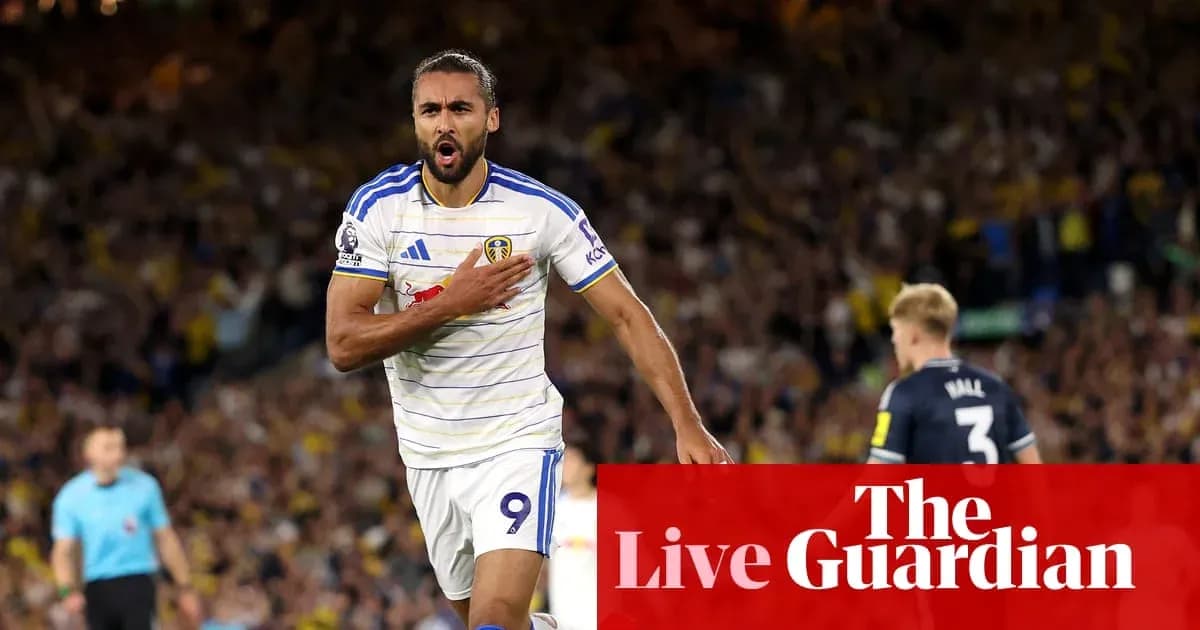
Daniel Farke went with trust. Same XI, same structure, same intent as the 1-1 draw with Brighton last weekend. James Trafford in goal, a back three of James Justin, Nico Elvedi and Tarik Muharemović, with Jayden Bogle and Jóhann Berg Gudmundsson given licence to fly on the flanks. Ethan Ampadu and Hayao Tanaka patrolled midfield, Anton Stach and Noah Okafor operated in the pockets, and Dominic Calvert-Lewin led the line.
The only hangover from midweek was psychological. Leeds had gone 2-0 up at Chelsea in the Rumbelows Cup, then been smashed 6-3. Just three of that starting XI were on duty here, but the lesson was clear enough: this team can cut through anyone, and it can also get cut open.
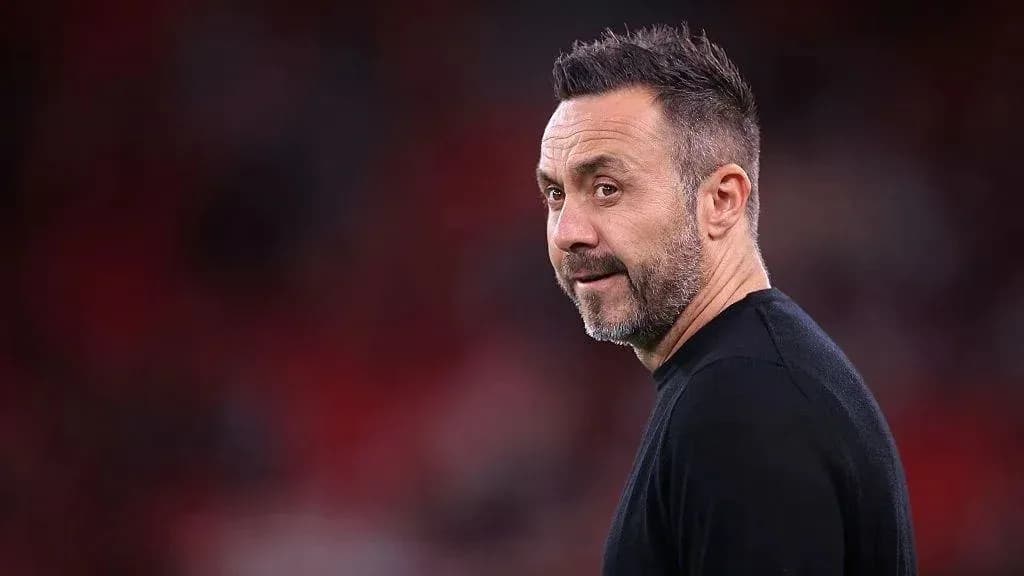
Newcastle arrived as a club in transition that doesn’t look like one. The manager who ended a 56‑year trophy drought has gone. So have the captain, the best midfielder, another first-choice midfielder and the leading attacker. Somehow, the structure remains.
Matthias Jaissle has ripped out pillars and still left the house standing. At Elland Road he shifted two of his front four, bringing in Jacob Murphy and handing Matias Fernandez-Pardo his first start for the club. Anthony Elanga missed out injured, Joe Willock dropped to the bench. Behind them, Nico González and Lewis Miley formed the central core, with a back four of Amar Dedić, Malick Thiaw, Sven Botman and Lewis Hall in front of goalkeeper Tomáš Horníček.
One other name caught the eye: Mason Miley, younger brother of Lewis, tucked away among the substitutes. Another hint that Newcastle’s rebuild is being done with one eye firmly on tomorrow.
Farke’s plan: stretch the pitch, overload the middle
Leeds’ approach was obvious from the first whistle. They wanted the sides of the pitch, and they wanted them badly.
With three centre-backs and two central midfielders behind them, Bogle and Gudmundsson were encouraged to live high and wide. Okafor, starting deeper, looked to surge past the last line, attacking spaces no designated marker could follow from his starting position. Stach, by contrast, dropped towards the ball, dragging Newcastle’s midfield out of shape and trying to create angles.
The pattern was clear: drag Newcastle into narrow duels, then rip the ball out to the flanks and fire crosses into the front post or cut-backs from the by-line. Calvert-Lewin, Okafor and late-arriving midfielders were all invited to attack the chaos.
There was also a specific target: González. Leeds seemed content to funnel Newcastle’s build-up towards the Argentine, then pounce. Hall and Miley are technically secure; González is too, but if there was a weak link to be tested under pressure, that’s where Leeds wanted the ball to go.
Newcastle’s counter: hit the channels, test the wing-backs
Jaissle, though, is not in the habit of turning up unprepared. His side set up in a 4‑2‑3‑1, but the attacking plan was tailored to Leeds’ back three.
Newcastle aimed for the gaps either side of the outside centre-backs and the space behind the wing-backs. Standard stuff against a back three, but with a twist: Hall looked primed to invert, stepping inside to help with the numbers in midfield, while Wissa pushed up to join Fernandez-Pardo on the top line.
That double-pronged front line posed an awkward question for Leeds’ defence, which is used to sharing one striker between three centre-backs. With Wissa buzzing around Fernandez-Pardo and Lewis Miley encouraged to crash the box from deep, the back three suddenly had more decisions to make and less time to make them.
Early thunder, no early breakthrough
The game began at full tilt. Within a minute, a ball over the top into the inside-right channel found Stach. He could shoot. Probably should. Instead he tried to square it and Newcastle scrambled the ball behind for a corner.
From that set piece, Leeds screamed for a penalty. As Newcastle tried to break, the ball kicked up off the turf and caught Fernandez-Pardo on the hand on the edge of the box. Arms moving as he ran, chest height, ball ricocheting – the officials saw it as accidental. The crowd did not agree, but the whistle stayed quiet.
Leeds kept coming. On five minutes, Wissa charged down a hesitant Trafford, blocking the keeper’s clearance and sending the ball looping to safety. Leeds broke instantly down the left, Gudmundsson bursting into the area. His square ball smashed straight into González’s face at close range. Elland Road roared for another penalty, but referee Adam Herczeg stopped play only so the dazed midfielder could receive treatment.
Newcastle tried to slow the storm. They knocked the ball around the back, looking to cool the temperature, but Leeds hunted in packs. One press sent Horníček hoofing long, another forced hurried clearances and panicked touches.
The hosts were playing with a visible swagger. Confidence, you could almost see it, ran through their lines.
Newcastle find a foothold
Just as Leeds’ energy threatened to swamp them, Newcastle found a little rhythm. Okafor repeatedly drove down the left, cutting inside and dragging defenders with him. One burst saw him lay off to Stach, who teed up Ampadu. The midfielder hurled himself into a full-blooded strike, only for the ball to cannon off Calvert-Lewin in an offside position. Horníček had flung himself anyway and looked set to deal with it.
Leeds’ best move of the opening spell came from their right. Tanaka stood up a cross to the far post, Justin nodded it back across goal and Bogle, now at the near post, spun sharply to drive low towards the corner. Horníček read it, plunged down and thrust out a strong arm to turn the ball away.
Newcastle, still absorbing, looked to pick their moments. They weren’t controlling the game yet, but they had survived the first wave.
The wider picture: two clubs eyeing a gap
This fixture sits in a strange pocket of the Premier League landscape. Above them, Liverpool, Chelsea and Manchester United are still trying to remember what coherent football looks like, wrestling with flaws they can’t fix until January. Space is opening up for well-coached, settled sides to sneak into positions they’re not supposed to occupy.
Neither Leeds nor Newcastle began the season openly talking about Europe. That might change. Leeds stayed up comfortably last term and have added smartly – Trafford in goal, Elvedi and Muharemović in front of him, and Harry Wilson’s creativity further forward. The squad looks deeper, more balanced, more capable of playing Farke’s aggressive, front-foot game over a full campaign.
Newcastle’s story is stranger. They have sold stars and sacked a trophy-winning manager, yet might actually be better. González has slotted into midfield with assurance, Lewis Miley is growing into the all-round force he always threatened to be, and players like Elanga, Willock and Wissa have seized the chances they never fully got under the previous regime.
Elanga’s absence here mattered. When he first emerged at Manchester United, he looked like a winger with a striker’s movement but not quite the touch for elite level. At Forest he often resembled more of a runner than a rounded footballer. What has never been in doubt is his work ethic, and Newcastle believe his technique has caught up with his athleticism. They will hope the injury Jaissle referenced – potentially long-term, awaiting MRI confirmation – is kinder than feared.
Fernandez-Pardo, on the other hand, was always meant to be central to the new era. Signed to start, bedded in gently, now unleashed at Elland Road. The expectation is that he will live on the last line, with Wissa buzzing in the space behind him. Jaissle could have turned to Bazoumana Touré instead, but in a game this fierce, in an atmosphere this hostile, he chose to limit the new faces. One step at a time.
This league
By the time the teams walked out, Elland Road was at full volume. The songs, the jeers, the raw, slightly feral edge that makes this one of English football’s last true bear-pits. Farke spoke beforehand of a good start in both performances and points, but stressed the threat Newcastle pose in transition. He name-checked Eddie Howe’s legacy and Jaissle’s use of pace up front. Look after the ball, or pay.
Jaissle, for his part, talked about Hall as the exact profile of player he wants for his football, and framed this as the right moment for Lewis Miley to take another step. It was not easy, he admitted, to start afresh at Newcastle. That’s one reason they are so satisfied with how quickly this new version has taken shape. Now, it’s about the margins.
And that’s where this game lives. Not in the glamour of the billing, but in the details: an arm judged accidental or deliberate, a keeper’s strong wrist at the near post, a manager’s decision to back one young forward over another in the heat of Elland Road.
Both clubs sense an opening in a skewed Premier League. Nights like this decide who dares to chase it.