.svg&w=384&q=75 "GoalGist logo")
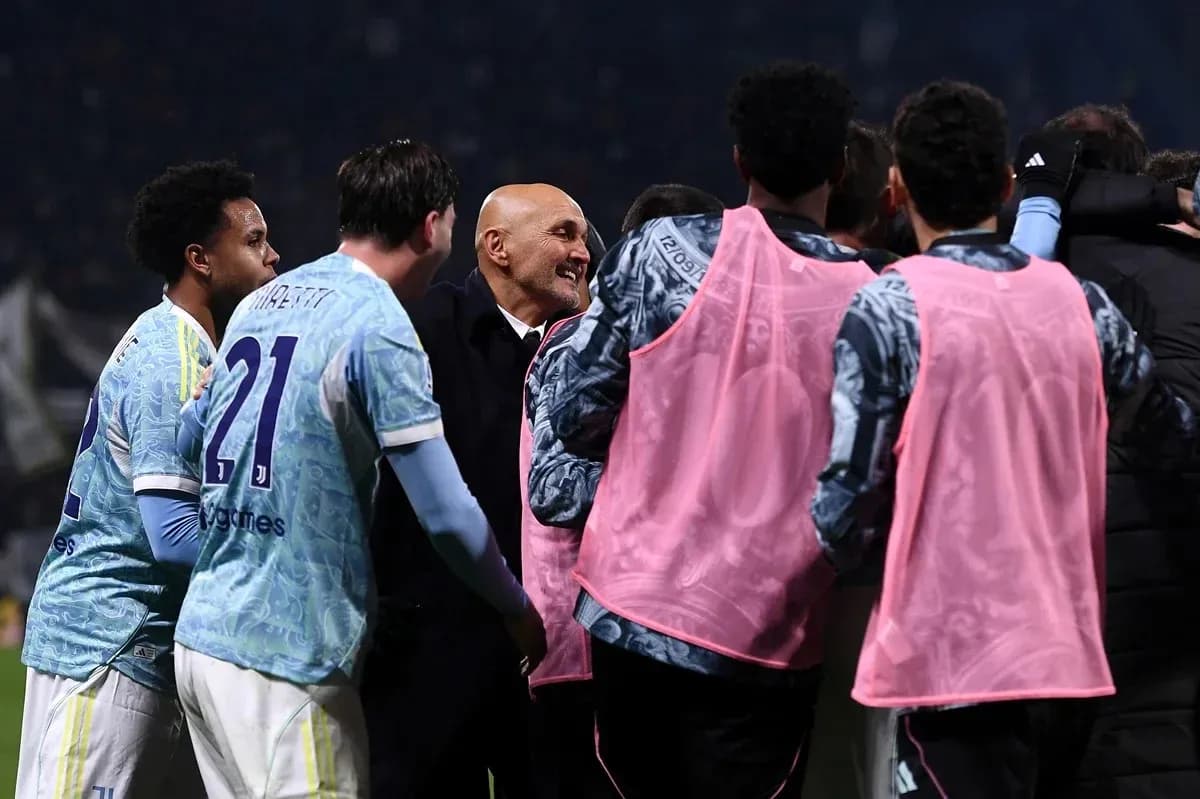
Juventus Transfer Window: Spalletti's Fresh Start
At Juventus, the transfer window has opened not just a market, but a reckoning.
Years of heavy spending have left the squad bloated with players who never quite became what the club paid for. Big reputations arrived at the Allianz Stadium with the promise of trophies and transformation. Too many of them stalled, weighed down by inconsistency, injuries, or simply the wrong fit in the wrong system.
Now they are “unwanted” in the eyes of the market. And that is Juventus’ problem.
Clubs across Europe are not lining up for these names. Wages are high, form is patchy, and the shine has faded. Deals are hard to construct when the demand simply is not there. Under the previous regime, the response was blunt: separate, isolate, and ship out.
From Motta’s divide to Spalletti’s reset
When Thiago Motta took charge, he drew a clear line. There were players he trusted and players he did not. Those on the wrong side of that line were quickly pushed to the margins while Juventus worked the phones, searching for exits, loans, or any kind of solution. The message was unmistakable: if you are not in the plans, you are not in the squad.
Luciano Spalletti has walked in and torn up that script.
The new coach has brought everyone back into the fold. No exile groups. No early discards. Every player, including those widely expected to be moved on, has been pulled into his pre-season plans. Training pitches and friendly matches have become a fresh stage, even for names like Arthur Melo, who looked destined to be little more than a financial headache.
Spalletti’s approach is simple: judge with his own eyes.
A full audit of the squad
According to TuttoJuve, journalist Giovanni Albanese captured the essence of this shift. He argued against the habit of writing players off “a priori,” like old stickers tossed aside too early. His explanation of Spalletti’s thinking is clear: the coach wants to study everyone first. If the verdict is negative, then he will ask the club to move them out. Until then, if he brings them, trains them, and evaluates them, it means there is still something worth exploring.
That is the key difference. Motta worked from a pre-drawn list. Spalletti is drawing his own.
For Juventus, this has a practical edge. A player deemed unsellable on paper might look different after a strong pre-season. A midfielder out of favour under one coach might become a useful squad piece under another. At the very least, minutes on the pitch can restore a sliver of value in the market.
The pressure, of course, cuts both ways. Those on the fringes have no excuses now. They are not being frozen out or hidden in the stands. They are being watched, tested, and given the ball.
Decisions still to come
This is not a sentimental reset. It is an evaluation period with consequences.
Once Spalletti completes his audit, Juventus will still need to trim. Contracts will need resolving, departures will be pushed, and the reality of a market reluctant to take on misfiring assets will return. Some players will not convince him. Those names will go back on the list, and the club will resume the difficult work of finding them a way out.
For the moment, though, the hierarchy has stepped back and allowed the coach to look at the entire group without preconceptions. No assumptions. No inherited blacklists. Just performances.
In a squad weighed down by past mistakes, Spalletti has chosen to start with one basic question for every player: can you still help Juventus? The answers, over these weeks of pre-season, will shape not only the transfer window, but the identity of his first season in Turin.

