.svg&w=384&q=75 "GoalGist logo")
Jeff Bezos Approaches Football Ownership with Liverpool Stake
Jeff Bezos is on the brink of becoming one of the most powerful figures in English football, with a consortium he is part of close to sealing a 30% stake in Liverpool.
The group, fronted by businessman Amit Bhatia, is set to pay around £1.35bn for just under a third of the club, after months of detailed negotiations with Fenway Sports Group (FSG). The deal is described as effectively agreed, though the final paperwork and regulatory steps could take up to a month to complete.
Bezos steps into football
For Bezos, this marks a first move into football ownership. The Amazon founder, whose personal fortune Forbes estimates at about $257bn (£190bn), will receive equity in Liverpool as part of the agreement, which Deloitte is understood to have advised on.
He is not coming alone. Bhatia, the son-in-law of Indian billionaire Lakshmi Mittal and a former shareholder at Queens Park Rangers, is leading the investor group, while Facebook co-founder Eduardo Saverin — reportedly worth $32bn — is another high-profile member of the consortium.
Bezos, now executive chair of Amazon after stepping down as chief executive five years ago, has spent the past decade pushing the company deep into live sport. Amazon has bought a string of major broadcasting rights as it built out its streaming platform, from domestic Premier League packages to US NFL coverage and Champions League rights in several European markets.
This time, the move is different. Not rights. Ownership.
Liverpool at a turning point
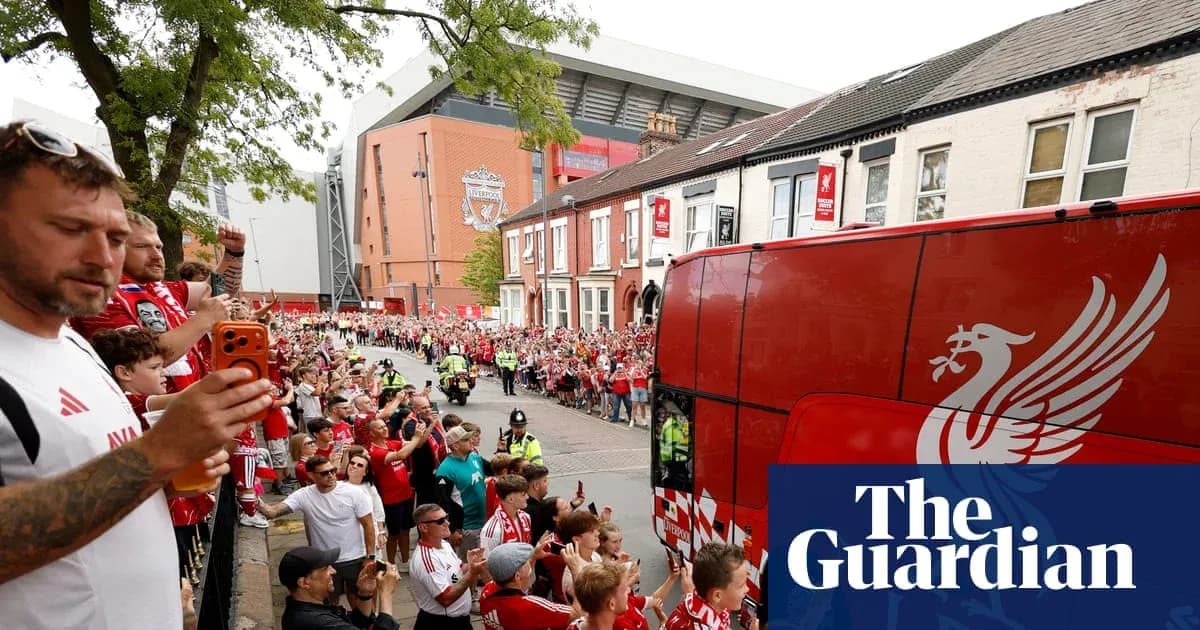
FSG, who bought Liverpool in 2010, are not walking away. But by opening the door to a 30% external stake, they are reshaping the club’s financial and political landscape at a moment of significant change on Merseyside.
Their tenure has already delivered a modern era of success, including two Premier League titles, and a gradual shift towards a multi-club, data-led model. In 2023, they sold a small 3% slice of the club to US private equity firm Dynasty Equity. This new deal would be of a different order entirely, both in scale and in the profile of the people now stepping into Anfield’s boardroom.
It comes after a turbulent summer. Arne Slot has departed and Andoni Iraola has taken over as head coach. Mohamed Salah, the defining forward of the Klopp era and one of the most important players in Liverpool’s modern history, has left on a free transfer and joined Trabzonspor. Michael Edwards has also exited his role as chief executive officer at FSG, removing another familiar pillar of the club’s recent structure.
The football operation is evolving. So is the ownership.
From streaming rights to the Kop
Amazon’s relationship with the Premier League is already well established. For six seasons, up to the end of last year, the company held live UK rights for 20 top-flight games per campaign, using those festive and midweek rounds as a shop window for Prime Video’s sports ambitions. Its cameras are now a regular presence at Champions League grounds across Europe and at NFL stadiums in the United States.
Bezos’s move into Liverpool blurs the line between broadcaster and club investor in a way English football has not yet seen at this level. There is no suggestion of immediate structural change to existing rights deals, but the symbolism is stark: one of the world’s richest men, whose company helped redefine how fans watch sport, is now buying into one of the game’s most storied institutions.
For FSG, the attraction is obvious. A £1.35bn injection for a minority stake boosts the club’s valuation and offers fresh capital at a time when elite competition demands constant investment in infrastructure, wages and recruitment. For Bezos and his partners, Liverpool offers global reach, a fiercely loyal fanbase, and a platform that stretches far beyond 90 minutes on a Saturday.
FSG has been approached for comment. The answers, when they come, will shape not just the next chapter at Anfield, but the direction of what football ownership looks like in the age of trillion-dollar tech.