.svg&w=384&q=75 "GoalGist logo")
Jeff Bezos Nears Major Stake in Liverpool FC Amid FSG Sale
Liverpool are on the brink of one of the most eye‑catching ownership shake‑ups in modern football – and it is being driven from the very top of the global rich list.
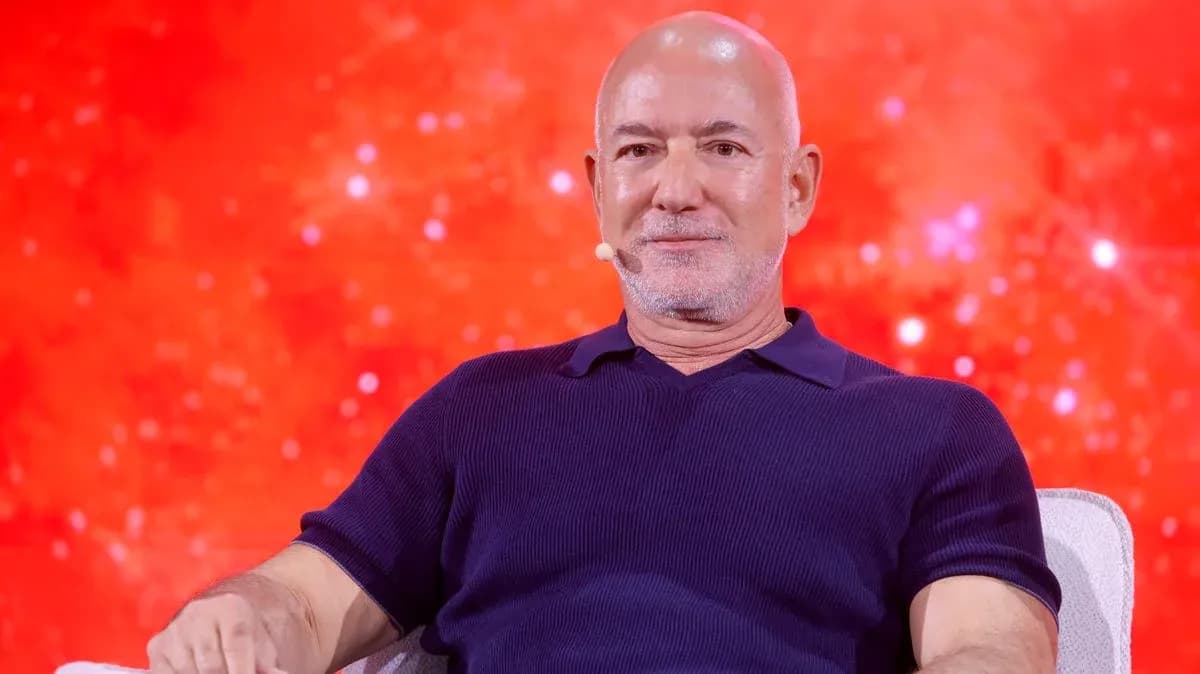
An investment consortium led by Amit Bhatia, and featuring Amazon founder Jeff Bezos and Facebook co‑founder Eduardo Saverin, is in advanced talks to buy a significant minority stake in Liverpool FC. The deal, expected to cover “roughly one third” of the club, could be announced as early as this week, with Fenway Sports Group (FSG) now preparing to move.
FSG confirmed that formal talks are under way. In a statement, the club’s controlling shareholder since 2010 said: “An investment consortium led, managed, and represented by Amit Bhatia has expressed interest in making a strategic minority investment in Liverpool Football Club.”
Sky News reports that FSG is ready to sign off on a transaction “as soon as this week”, though those close to the process accept that the timetable may edge into next week if final details drag.
If the deal lands, Liverpool will not just add fresh capital. They will be tying themselves to three of the wealthiest men on the planet.
Bezos’ personal fortune is estimated by Forbes at more than $280bn (£207bn). Saverin is said to be worth in excess of $32bn (£23bn). Bhatia, son‑in‑law of steel tycoon Lakshmi Mittal and a former shareholder in Queens Park Rangers, fronts the syndicate that has been in direct contact with FSG.
The proposed investment is understood to value Liverpool at around $6bn (£4bn), a figure that would place the club among the most highly valued assets in world sport and make this one of the biggest minority stake deals the game has seen.
It would also deepen the Premier League’s American era. Half of the division’s 20 clubs are now predominantly owned by US‑based investors, a trend that began long before FSG’s 2010 rescue of Liverpool from the brink of administration under Tom Hicks and George Gillett, but has accelerated sharply in the past decade.
For Bezos, Liverpool represents the latest in a series of flirtations with elite sport. He previously explored bids for the NFL’s Seattle Seahawks and Washington Commanders but stepped away before committing. Saverin, meanwhile, has already had one close brush with English football ownership, forming part of a consortium that failed in its attempt to buy Chelsea during the 2022 sale triggered by sanctions on Roman Abramovich following Russia’s invasion of Ukraine.
Bhatia brings direct experience of the English game from his time at QPR and is now poised to take a front‑of‑house role in one of football’s most scrutinised boardrooms.
FSG, who also own MLB giants the Boston Red Sox, have long insisted they favour strategic minority investment over a full sale. This move would fit that stance: they retain control, but gain a powerful new financial engine at a time when the club stands at a crossroads.
Because while the numbers soar off the pitch, Liverpool are wrestling with turbulence on it.
The club’s last Premier League title came in 2024/25. Since then, the landscape has shifted. This summer has brought the sacking of head coach Arne Slot and the departure of Mohamed Salah, ripping out two of the most prominent pillars of the recent era and leaving the squad in what can only be described as transition.
Recruitment has started, but not yet transformed the mood. Jeremy Jacquet, Victor Munoz and Ronald Araujo have arrived on loan, bolstering depth without delivering the kind of statement signing that normally accompanies a new chapter.
Bradley Barcola has been identified as a priority attacking target, with Paris Saint‑Germain open to a sale, but talks have yet to yield a breakthrough. For now, it remains an ambition rather than a completed rebuild piece.
That is where the timing of this proposed investment matters. Fresh capital, aligned with FSG’s data‑driven model, could reshape what Liverpool are able to do in the market over the next few windows, especially under tightening financial regulations and escalating fees for elite talent.
The club that once needed rescuing from administration is now on the verge of being valued at $6bn and attracting the deepest pockets in global business. The question is no longer whether Liverpool can draw the world’s richest men. It is what they will do with the power, and the expectation, that comes with them.