.svg&w=384&q=75 "GoalGist logo")
Iran's World Cup Controversy: Mohebi's Gesture Sparks Debate
In a World Cup already crackling with political tension around Iran, it took just a few seconds of celebration to drag Team Melli back into the spotlight.
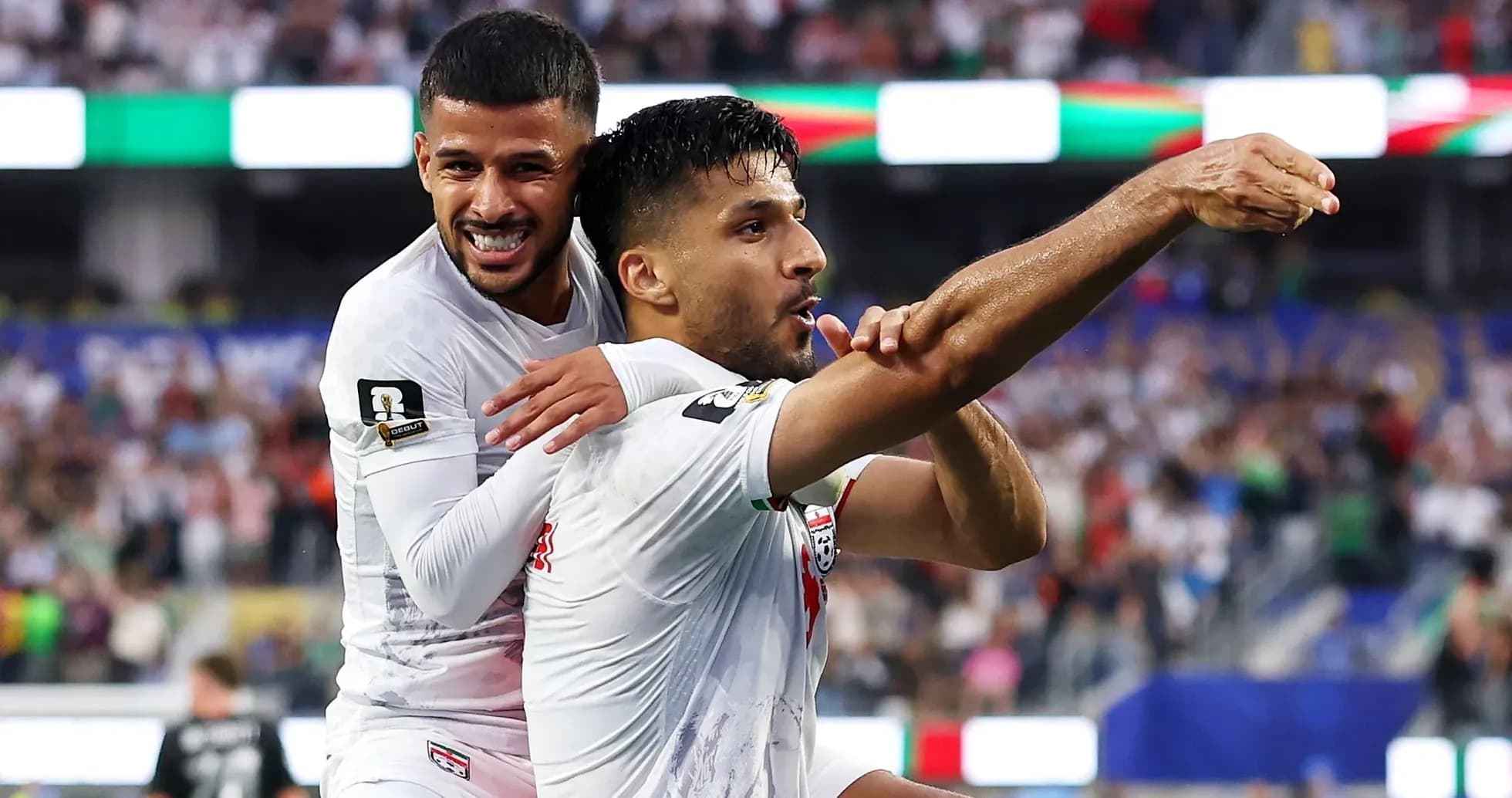
Mohebi’s 64th-minute equaliser against New Zealand should have been the story. His finish salvaged a 2-2 draw in Iran’s opening Group G match and kept their campaign steady after a shaky start. Instead, what followed turned a routine group-stage moment into a global talking point.
After scoring, the 27-year-old midfielder pointed two fingers toward his arm, then extended two fingers on his right hand and sliced them through the air. To many watching, it looked like a gun gesture. Clips spread quickly, slowed down, replayed, dissected. The goal was still on the scoreboard, but the celebration was on every screen.
The reaction online was instant and fierce. Supporters, commentators and observers demanded that FIFA look into the gesture, arguing that a tournament already shadowed by political debates around Iran could not ignore such symbolism. The match in Los Angeles had barely cooled and the conversation had already moved from tactics and line-ups to meaning and intent.
Mohebi pushed back against the storm.
He insisted there was nothing sinister in the gesture, no coded message, no provocation.
"I wanted to say thank you to all Iranians who live in Los Angeles, they make a great atmosphere," he said. "The celebration came to mind, and I do this [gestures] for all of the fans, just a celebration, you know."
To him, it was an improvised tribute. To many outside, it looked like something else entirely.
The focus sharpened even more when teammate Rezaeian stepped in front of the microphones after the match. The defender had already drawn attention for his own celebration: after scoring, he pulled his shirt over his face and sprinted toward the supporters, a gesture that invited questions before he even spoke.
Pressed on what it meant, Rezaeian did not pretend it was neutral.
"It's something political (his goal celebration), I don't want to talk about that," he said, acknowledging the undercurrent without opening it up. In the next breath, he tried to slam the door on the subject. "We are here to answer football questions. If there is a problem between us (the Iranian people), it is between us."
It was a revealing contrast. One player insisting his celebration was purely for the fans. Another openly labelling his as political, then refusing to explain. Together, they framed the uneasy space Iran occupy at this World Cup, where every gesture, every word, is scanned for subtext.
Attention has now turned to Zurich. FIFA has been approached for comment on Mohebi’s gesture, and the governing body must decide whether to open a formal investigation into the celebrations. Any move will be scrutinised: act, and they risk being accused of overreach; stay silent, and they face questions about consistency and courage.
Inside the Iran camp, the message is different. They want the conversation back on the pitch, back on the football that gave them that point against New Zealand and keeps them alive in Group G.
There is little time to breathe. Iran now prepare for Belgium on June 21 in Los Angeles, a fixture that already carried weight in sporting terms and now arrives with an extra layer of tension. The goals will matter. So, whether they like it or not, will the celebrations.

