.svg&w=384&q=75 "GoalGist logo")
GPA Advocates for Stronger Player Representation in Gaelic Games
The Gaelic Players Association has laid out a starkly simple message in its latest annual report: almost every euro it earns goes straight back to the players – and now it wants a louder voice at the top table of Gaelic games.
GPA drives player-first agenda
At Monday night’s AGM, members backed a motion demanding “formal, structured player representation on all key decision-making bodies affecting inter-county players within integrated GAA structures such as Central Council, provincial councils and county boards”.
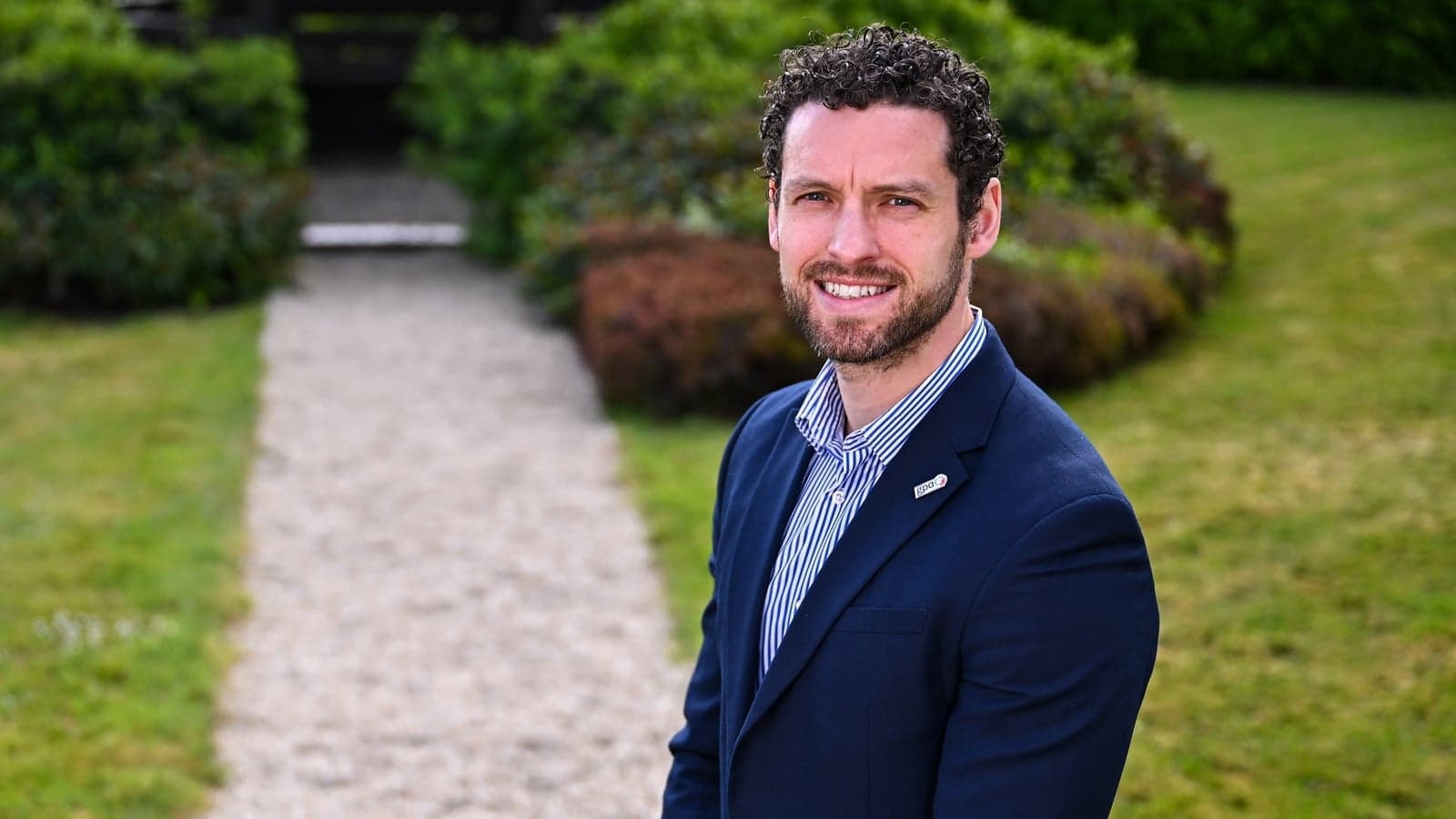
The GPA already holds a seat at Central Council. For chief executive Tom Parsons, that’s no longer enough.
He told RTÉ Sport that what struck him most at the AGM was the strength of feeling from players about governance and influence. They want their say built into the system, not bolted on around the edges.
Right now, there is no guaranteed player voice at provincial council level, on many county boards, or within the LGFA and Camogie Association structures. Parsons framed that as part of a wider shift in sport, with athletes pushing for a central role in how their games are run.
The message is clear: decisions on competition structures and policy can’t be made at arm’s length from those who train, travel and play.
Money on the table – and where it goes
The numbers back up the GPA’s claim to be a player-focused body.
According to the report, 97% of its revenue is spent directly on player welfare and development programmes. In total, €4.35 million went into supports such as personal development coaching, career development initiatives and education supports in 2025.
On top of that, €3 million in annual grant funding flowed from Sport Ireland via the GAA, with the GPA responsible for ensuring that government money reaches inter-county GAA players.
Total revenue for the year stood at €7.6 million, a 1% rise on the previous year. Government grants increased by 5%, but that was offset by a 6% drop in core GAA funding. GAA support for the GPA came to €2.98 million, down from €3.17 million.
The organisation posted an operating pre-tax loss of €59,401 and a post-tax loss of €65,881. It is not a body sitting on vast reserves; it is running close to the line to maintain its current level of services.
Lean structure, growing reach
Behind those programmes is a relatively small operation. The GPA employs 10 full-time staff, supported by 18 fixed-term contracted employees who deliver the Ahead of the Game (Movember) mental health programme.
Those staff costs are recharged to the GAA, as the association is the official recipient of the Movember funding.
Key management remuneration came in at €250,181, down from €268,317 in 2024, another sign of a tight financial model as the organisation tries to stretch every cent towards player services.
Parsons pointed to the GPA’s current influence within GAA governance structures as proof of its value. The association is active on the committees and boards where it already has a seat. The next step, in its view, is embedding that presence more deeply across provincial councils, county boards and the broader Gaelic games family.
The figures show where the money goes. The AGM vote shows where the players want the power to go next.