.svg&w=384&q=75 "GoalGist logo")
France's Disastrous Performance Against England: A 6-4 Defeat
France unravelled in Miami long before the scoreline made it look like a contest. By the time the half-time whistle came, they were 4-0 down to England, their defensive shape shredded, their composure gone, their attitude openly questioned by one of their senior players.
The second-half rally – four goals of their own in a wild 6-4 defeat – did nothing to mask the damage of those opening 45 minutes. It simply framed the chaos.
A First Half That Crossed a Line
From the start, France looked as if they had mentally checked out of the tournament. England cut through them with ease, and the body language on the French side told its own story: shoulders slumped, pressing half-hearted, arguments brewing.
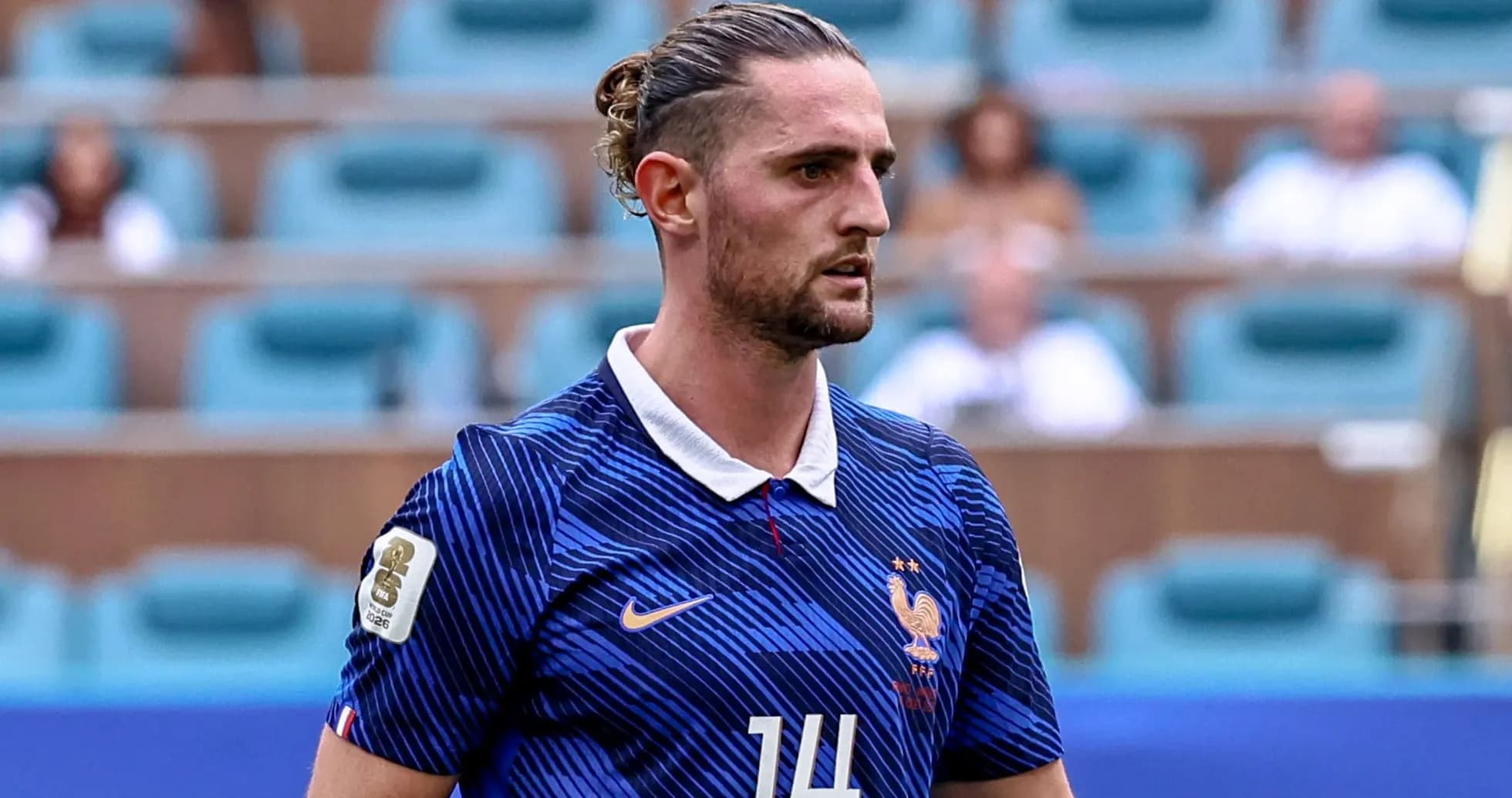
Adrien Rabiot saw enough.
"We started the first half quite shamefully," the AC Milan midfielder told beIN SPORTS, laying bare his anger. He went further, turning the spotlight on his own dressing room. "I saw behaviour from some players that I'd never seen before. It's a bit disappointing because it was the last match to do well in this competition."
This wasn’t the usual measured post-match debrief. It was a senior international publicly drawing a line.
"There's a lot of disappointment after the loss against Spain, but there was work to be done until the very end and we can't just be content with sloppy play like that," he said. "We talked at halftime; we told ourselves we needed to show some pride, and it was much better in the second half because in the first half, some of the behavior was unacceptable."
The word hung over the night: unacceptable.
Flashpoint on the Touchline
The fracture lines were visible well before Rabiot spoke.
On the touchline, Rayan Cherki clashed with Didier Deschamps during a first-half drinks break, an animated, heated exchange that underlined the disconnect between bench and pitch. At a moment when France needed clarity and calm, they instead showed the world a sideline argument.
It summed up a team going through the motions in a game their manager had already admitted nobody really wanted.
Before the third-place play-off, Deschamps had been blunt. "England does want to play this game and neither do we," he said. It was an honest assessment of a fixture that often feels like a punishment rather than a prize.
On the evidence of that first half, his players took him at his word.
Deschamps’ Era Ends With a Whimper
This was not how a 14-year reign was supposed to end.
Deschamps, the man who rebuilt France into world champions and perennial contenders, bowed out with internal tensions spilling into public view and a performance that lurched between apathetic and anarchic. The second-half flurry, four goals in a frantic response, felt more like damage limitation for pride than a genuine fightback.
The 6-4 scoreline will live in the record books as a spectacle. The reality was more sobering: England in control when it mattered, France only truly awake once humiliation loomed.
For Deschamps, the final image is not of a trophy lift or a defiant stand against a heavyweight opponent, but of a fractured team conceding six and a senior midfielder calling out his own dressing room on live television.
England Walk Away With Momentum
On the other side, England walked off the Miami pitch with something far more valuable than a bronze medal: belief.
Declan Rice, a driving force in midfield, did not hide his pride in what this group has become under Thomas Tuchel.
"This is the best England group for a very long time," he said. "That's a fact. No one can take that away from us. I think we can be proud as a group. We are just gutted we lost in that semi-final."
Rice’s words cut to the heart of England’s mood: satisfied with the direction, stung by the near-miss. They finished this tournament on a high, ruthless enough to punish France’s disarray and composed enough to ride out the second-half storm.
France, by contrast, leave with questions. About attitude. About leadership. About what comes next after Deschamps.
The score in Miami will fade. The sense of a cycle ending – and of a team exposed when the stakes no longer masked the cracks – will not.