.svg&w=384&q=75 "GoalGist logo")
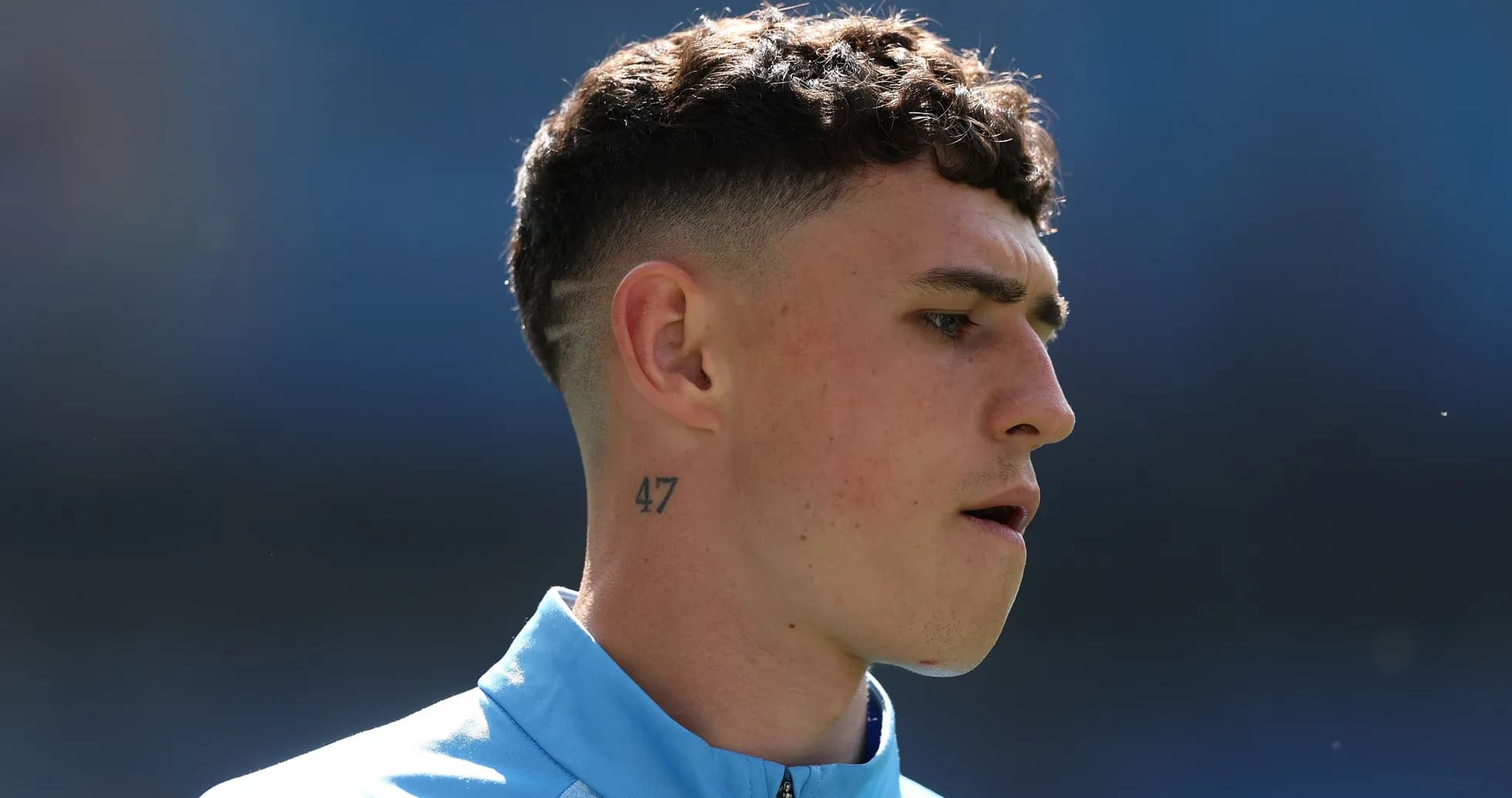
Phil Foden's Leadership Role at Manchester City: Unofficial Captaincy Explained
Enzo Maresca has drawn his leadership line at Manchester City – and Phil Foden is on the wrong side of it.
The new City boss has confirmed a four-man captaincy group for the season, and while Foden’s name hovered around the conversation, it never made the final cut. Instead, the armband will rest with Ruben Dias, Erling Haaland, Marc Guehi and Gianluigi Donnarumma.
“The captain is Ruben, Erling, Marc Guehi and Gianluigi Donnarumma,” Maresca told reporters on Friday, laying out a hierarchy that blends old power with new authority. Dias and Haaland are the obvious pillars of the dressing room. The surprise lies in how quickly Guehi and Donnarumma have been thrust into the club’s inner circle.
Both, Maresca argued, bring something specific: experience with the weight of responsibility.
“First of all, because Marc was already captain with Palace,” he said. “So he has the experience. Gigio is the captain of the Italy national team, so he has the experience. The reason why I decided for them is because I can see them helping the teammates and the dressing room to behave in the right way.”
That logic left Foden just outside the formal group. For a 26-year-old who has grown from academy prodigy to symbol of the club, it is a notable omission.
Maresca didn’t pretend otherwise. He leaned into Foden’s status as the local heartbeat, calling him “one of the guys from the house”, and admitted he wrestled with the decision.
“These are the four that are going to be the captains,” he said. “But I was also thinking about Phil, because Phil is one of the guys from the house. He’s not in that group, but for me he’s also one of the captains, one of the players that belong to that group.”
So Foden becomes the unofficial captain. No armband, but a voice and presence Maresca clearly trusts.
On the pitch, that trust has already been tested.
With Jeremy Doku injured at the start of the Premier League campaign, Foden has been shunted out to the right wing rather than operating in his preferred central role. Maresca is under no illusions about where his playmaker is at his most dangerous.
“I think Phil’s best position is in the middle,” the Italian insisted. “But he’s doing an effort to help the team. Because for the first two games we didn’t have options in the wide area, because Jeremy was injured.
“No doubt that Phil’s position in the middle is much better. But I’m very, very happy with Phil since day one. He’s working very good, even when he has played wide in the last two games, he was good.”
The compromise is clear: Foden sacrifices his favoured role to plug a gap, Maresca leans on his intelligence and technique to make the solution work.
The coach’s message is blunt. If you are truly elite, you adapt.
Maresca sees that in Foden. He has used him across the front line, trusting his football brain to interpret different tasks without complaint. The England international has accepted it, even if the No 10 pocket still calls his name.
“You can see that inside the pitch he’s much better,” Maresca said. “But at the end, Phil is going to play in a different position. Because he’s a good and good players, they can play in different positions.”
The armband may belong to Dias, Haaland, Guehi and Donnarumma. The question now is simple: in a City side being reshaped under Maresca, how loudly can Phil Foden lead without ever being called captain?