.svg&w=384&q=75 "GoalGist logo")
Federico Valverde: From Right-Back Crisis to Midfield Mastery
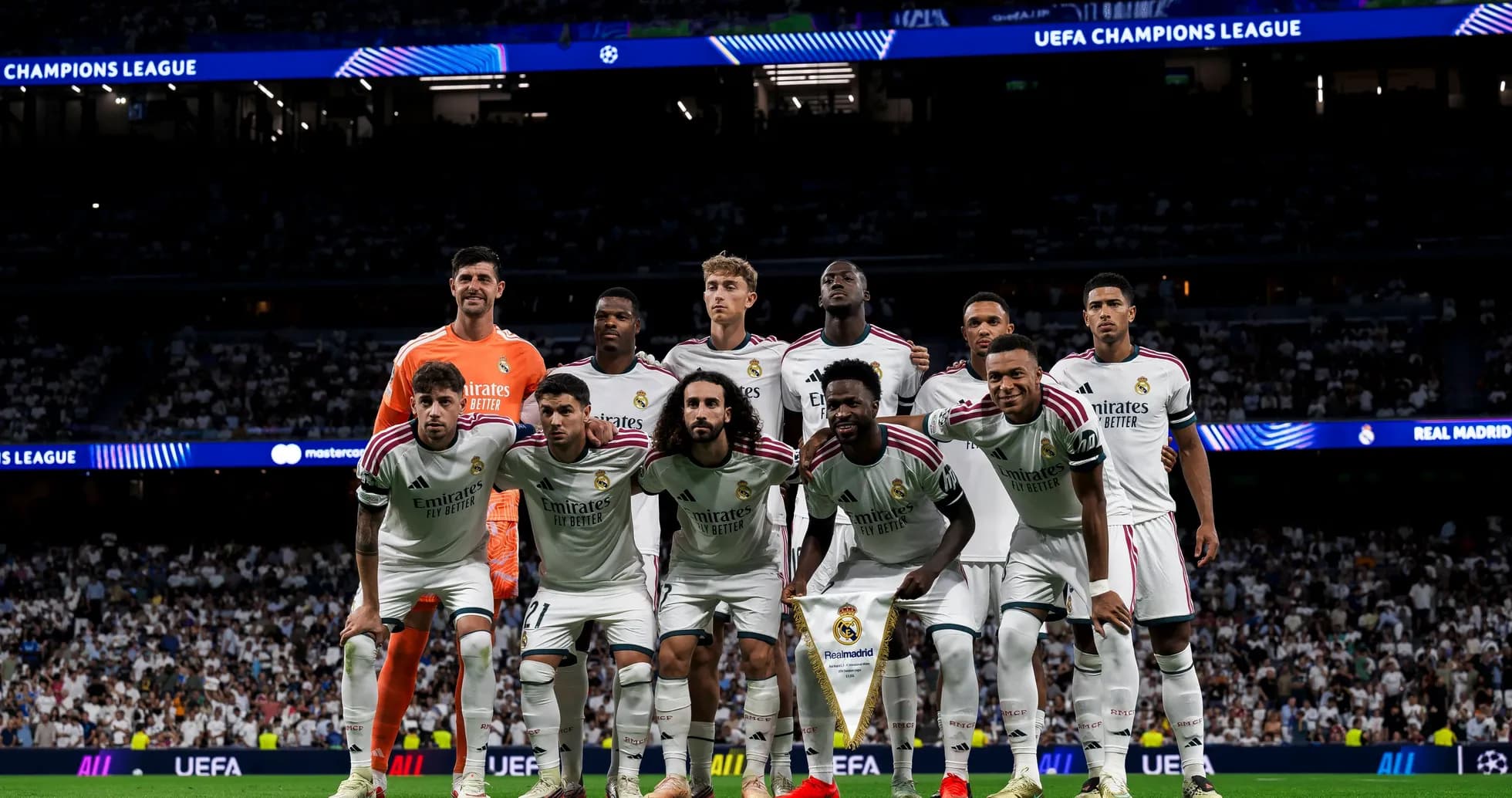
Federico Valverde walks back into Vallecas this weekend with a different face and a different status. The last time he met Rayo Vallecano, he was a reluctant right-back, a symbol of a team in crisis under Xabi Alonso. Now he returns as the heartbeat of José Mourinho’s midfield.
Same stadium. Same opponent. A completely different story.
From emergency full-back to breaking point
The saga started with injuries that ripped through Real Madrid’s defence. Dani Carvajal and Trent Alexander-Arnold were both out, and Alonso turned to Valverde as an emergency solution at right-back.
Valverde never hid his discomfort. He accepted the role out of duty, not desire, filling in week after week until the strain finally snapped.
The breaking point came before a Champions League trip to Kazakhstan to face Kairat Almaty. Sitting in front of the microphones, Valverde dropped the mask.
“I was not born to play as a full-back, and I did not grow up learning to play in this position. Because of an emergency, I found myself playing there,” he said.
Those words landed hard. Inside the dressing room. On the bench. And on the touchline where Alonso stood.
The coach reacted immediately. In the following match, Valverde lost his place. Marco Asensio, a forward by trade, was pushed into the full-back role instead. The message was clear: no one was bigger than the system Alonso was trying to hold together.
The cold night in Kazakhstan
The tension followed Real Madrid all the way to Kazakhstan. Before kick-off against Kairat Almaty, all eyes drifted to Valverde during the warm-up.
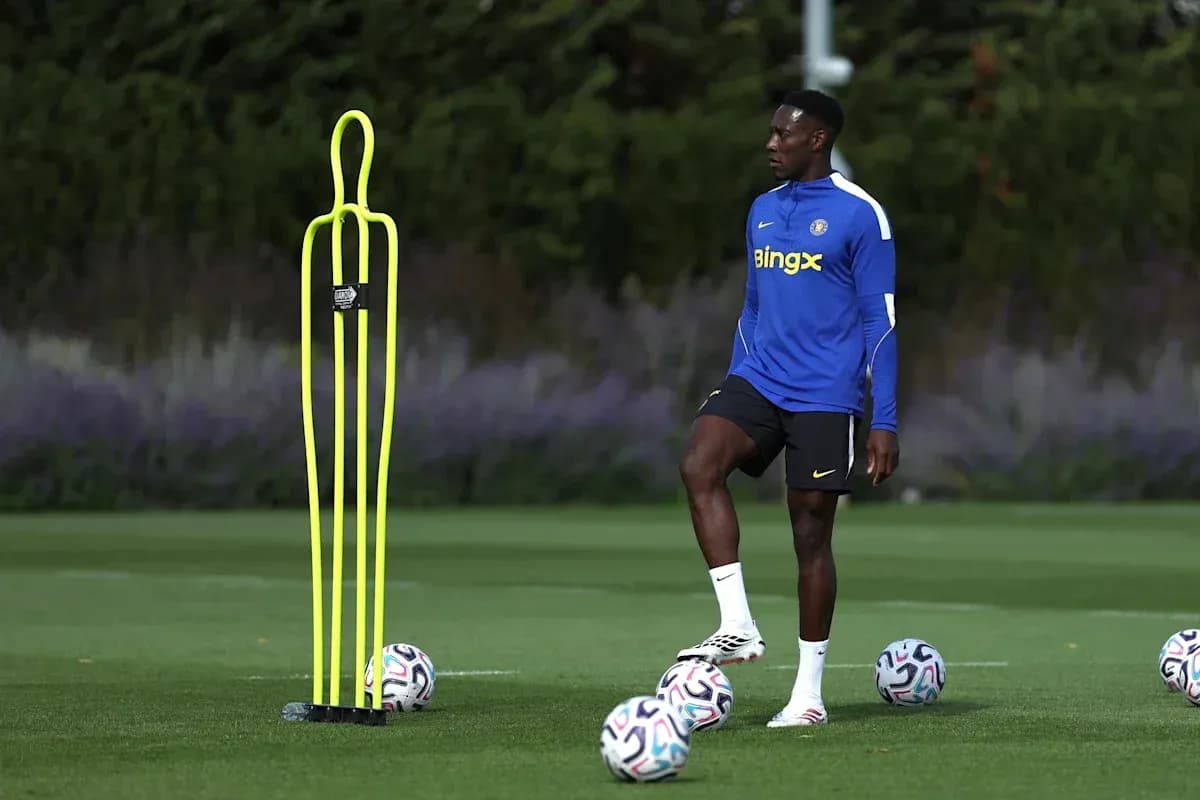
He cut a distant figure: cold expression, hands clasped behind his back, body present but miles away from the game. He did not play a single minute. He did not even get on the pitch as a substitute.
It was the only Champions League match all season in which he did not feature.
That absence stood out because the rest of his campaign was relentless. Valverde appeared in every other game, including the night he tore through Manchester City with a hat-trick. Even then, the shadow of that full-back experiment lingered.
Rayo, the last stop at right-back
The turning point came in January with Álvaro Arbeloa’s arrival in the dugout. Gradually, the dependence on Valverde as a full-back faded. The club began to move him away from the flank and back towards his natural territory.
Rayo Vallecano marked the end of that chapter. It was his final appearance at right-back, the closing scene of an assignment he had never wanted but never refused.
By then, he had collected 16 games in that role. Sixteen times he pulled on the shirt and played out of position, driven by loyalty to Real Madrid more than by any personal comfort.
Yet he never stopped repeating, in his words and his body language, where he truly felt like a footballer: in the middle of the pitch, where the game breathes.
Mourinho’s reset
Then came Mourinho, and with him, a clean slate.
The Portuguese coach wasted no time. Valverde went straight back into midfield and stayed there. He has started every match this season, not as a stopgap, but as a pillar.
Mourinho didn’t just restore his position. He restored his status.
Valverde is now one of the cornerstones of the new project, a player trusted to set the tempo, press, and arrive in the box. The transformation from frustrated full-back to dominant midfielder has been stark.
His influence has stretched into the final third as well. He scored against Inter, a goal that underlined his growing weight in Real Madrid’s revamped system and his freedom to attack again.
The same player, but unleashed.
Peace with Tchouaméni
One more cloud needed clearing: his relationship with Aurélien Tchouaméni. An altercation between the two last season had fuelled rumours of tension inside the dressing room.
Mourinho chose to shut that story down himself.
“They are the ones who did everything, and I did nothing. If I had arrived in the dressing room without knowing anything, I would have thought they were close friends,” he said in his latest press conference.
He went further: “When I arrived, and Tchouaméni returned from the World Cup, I was paying attention to find out whether I needed to intervene and play the role of peace minister, but I did nothing. The credit all goes to the players.”
No intervention. No drama. Just two professionals who sorted it out and moved on.
Now Valverde returns to face Rayo not as a makeshift defender, not as a symbol of a crisis, but as a central figure in Mourinho’s Real Madrid.
The last time this fixture closed a chapter in his career. This time, it might define the next one.