.svg&w=384&q=75 "GoalGist logo")
FAI Abandons Aligned Football Calendar Plan
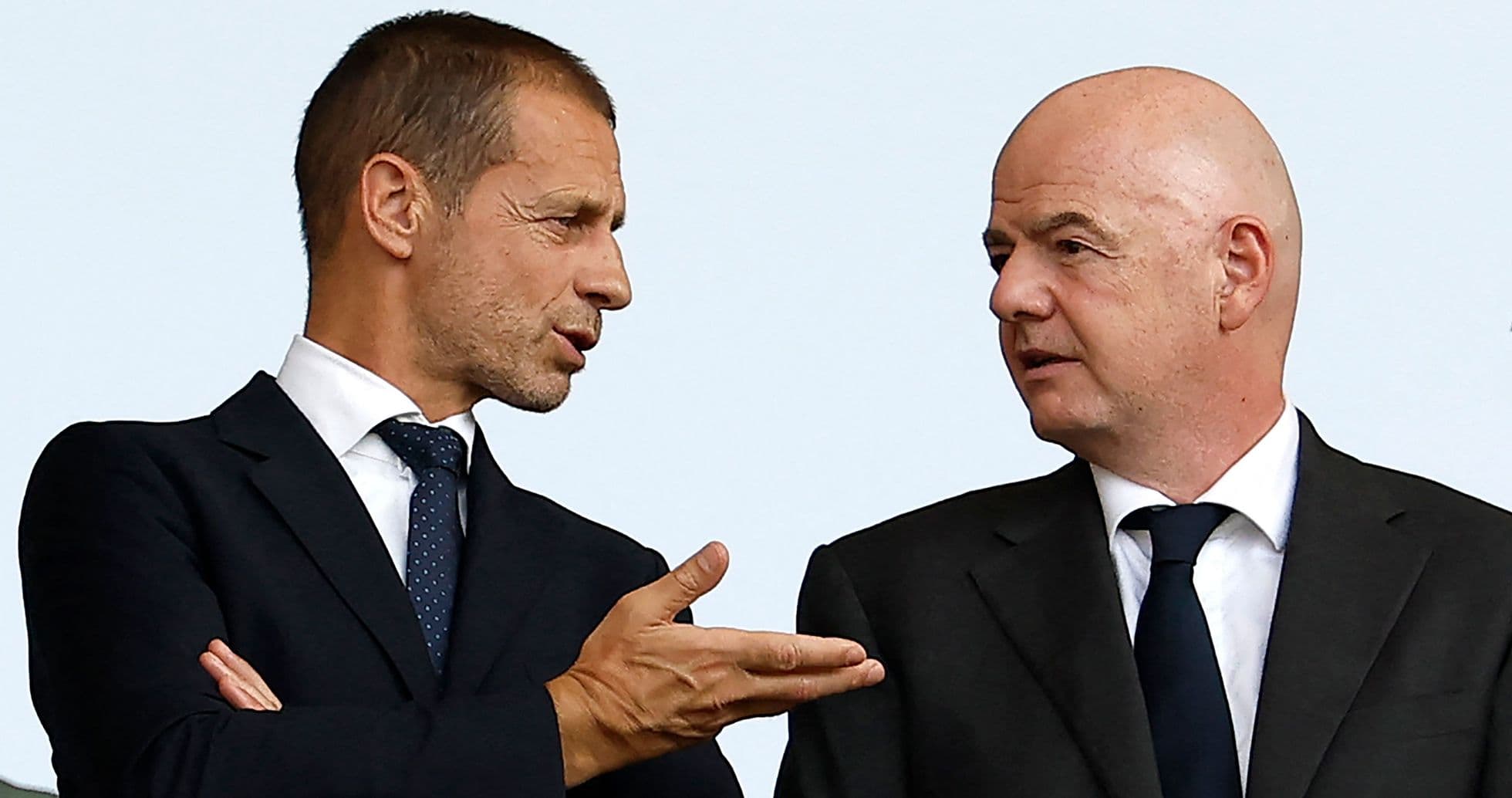
On a damp, uncertain Friday, with Gianni Infantino’s war on the calendar still swirling in the background, the FAI quietly swung the axe on one of the most ambitious ideas in recent Irish football history.
They did not say it like that, of course.
Instead, buried halfway down a jargon-heavy statement about “key priorities” and “boosting development”, came the real news: the grand plan to align all levels of Irish football on the same calendar is dead.
Or, in Abbotstown’s new corporate dialect: “Following the strategic planning process, the Aligned Football Calendar has been reprioritised and will not be considered a deliverable within the Football Pathways Plan or the FAI’s current 2026–2029 Strategic Plan.”
In plain English: it’s gone.
From blueprint to bin
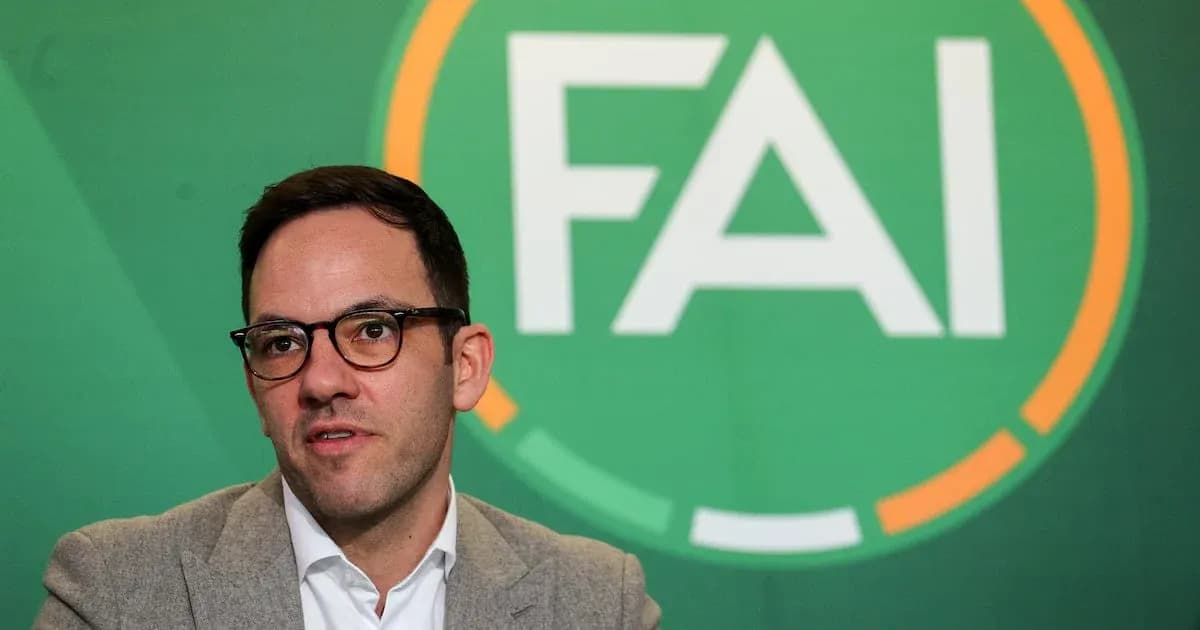
This calendar shift was not some idle notion tossed around a committee room. It sat at the heart of the Football Pathways Plan, the signature project of former director of football Marc Canham, the man who oversaw the long, winding search to replace Stephen Kenny.
The FAI sold that plan as the product of 11,000 hours of consultation, much of it delivered on roadshows around the country. PowerPoint, microphones, open floors. Grassroots volunteers turning up after work to hear how the future would look.
Canham arrived with a polished Premier League CV and the clipped assurance of English football’s upper tiers. Not everyone tending the Irish grassroots was dazzled. At one Cork roadshow, he was asked if he knew anything about silage. It was more than a joke. It was a challenge: do you understand how life actually works here?
His central idea was to move the entire game to “silage season” – to line up every level of Irish football with the League of Ireland’s summer schedule by 2028. Ireland is the only one of Uefa’s 55 member nations running different calendars across different levels. Canham’s conclusion was blunt: the country was wasting its talent.
One of the key problems, he argued, is that children simply do not play enough football. Seasons typically run for about 30 weeks a year. The rest of the time, pitches lie under water or locked gates, victims of winter rain and crumbling facilities. The logic seemed obvious. If you cannot fix the drainage, chase the sun.
Play more when the pitches are playable.
A vote won, a war lost
The logic did not survive contact with Irish football politics.
The aligned calendar proposal triggered an angry backlash from sections of the grassroots game, who said they had not been properly consulted. The FAI board had unanimously endorsed Canham’s blueprint, but still went looking for political cover, putting the entire pathways plan – calendar included – to a General Assembly vote.
It passed, but only just. The margin was slim and the mood sour. Many saw it as a partisan split, with the professional and League of Ireland blocs marshalled into line. Still, the FAI had its mandate. President Paul Cooke hailed the delegates for “changing the face of Irish football”.
The rebellion did not stop. It merely moved into the corridors and committee rooms.
Directors who had backed the plan began to feel the heat from the leagues that elected them. Canham walked away in April last year, declaring he would never again work in grassroots football. The FAI then opened the escape hatch, allowing leagues to apply for a two-year delay before shifting their seasons.
By the time his successor, John Martin, faced the media earlier this year, the tone had changed completely. He made it clear he would not be forcing anyone into anything. The pressure that had once driven the plan had gone. The formal burial came last week.
Good-faith fears, familiar fault lines
Not every opponent of the aligned calendar was acting out of self-interest or tribalism. Many raised genuine worries about losing players to Gaelic games if football moved fully into summer. The fear was that the GAA, with its pull on young athletes and its deep local roots, would simply win the tug-of-war.
That argument ignored a few awkward facts. Those clashes can be managed where local clubs and codes work together. Twenty-two of the 69 FAI-affiliated leagues already play a calendar season and the sky has not fallen. The plan also allowed for pauses and alternative competitions to cover peak holiday periods.
It would not have been painless. But the reward was obvious: more football, more often, for more children.
There was also a nostalgic defence of the “natural” rhythm of the game, the idea that football should return with the school year and the first crisp evenings. Yet some of the very winter leagues people now hold up as tradition were played in summer before the GAA lifted the Ban on foreign games. The calendar has never been as sacred as its defenders now claim.
The real fault line lay elsewhere.
The amateur side of the game bristled at what they saw as a project driven by “that lot” in the League of Ireland. The Leinster FA wrote to the FAI board denouncing a “flawed voting procedure”, arguing the plan had been carried by the LOI wing, who would not be directly affected by the change. This, despite their own elected representative on the FAI board backing the proposal.
Old suspicions reasserted themselves. Familiar trenches were re-dug.
A mandate wasted
Strip away the layers of spin and this episode leaves the FAI exposed.
They commissioned a plan, backed it unanimously at board level, and then took it to their members, who voted – however narrowly – to approve it. That is the process. That is how you claim legitimacy.
Now, having secured that mandate, the association has walked away from the plan’s central recommendation.
It is more than an administrative U-turn. It is a public admission that the FAI cannot hold a line against its own factions. It also raises hard questions about the value of the General Assembly itself, the same forum recently cited as proof that Irish football stands behind the decision not to boycott fixtures against Israel.
If a vote can be quietly set aside when the noise grows too loud, what does that vote really mean?
The cost of staying indoors
The bigger cost will not be measured in boardroom reputations. It will be counted in empty pitches and lost hours.
When the rain lashes down next winter and children sit inside, watching it streak the windows instead of running through it, remember this is not an accident of climate. It is a choice.
Irish football has decided that it is better for nobody to play than to risk some deciding they prefer to play something else.