.svg&w=384&q=75 "GoalGist logo")
European Football in Crisis: UEFA's Ultimatum to FIFA
European football is edging towards open revolt, and the fault line runs straight through FIFA’s Zurich headquarters.
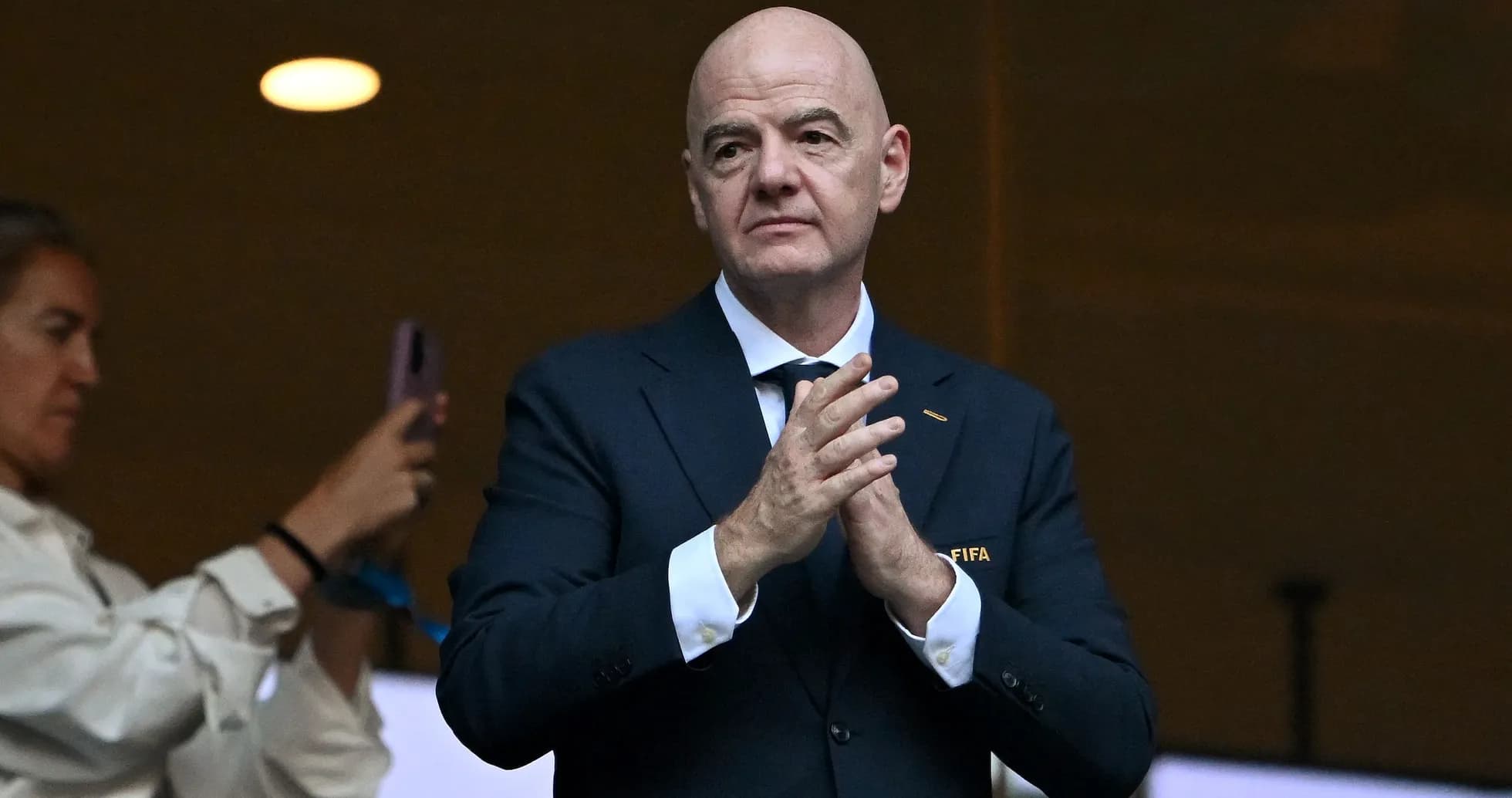
What began as a bold – some would say brazen – commercial gambit by Gianni Infantino has spiralled into a full-blown crisis, with England and several other European nations still actively weighing up a boycott of FIFA competitions. The prospect is no longer theoretical. It is on the table, in writing, and looming over the international calendar.
At the heart of the storm sits a scrapped plan that stunned even battle‑hardened administrators: a new FIFA subsidiary, designed to manage and sell off major stakes in blue‑riband assets, including the World Cup itself. The proposal detonated last week, triggering outrage across Europe before collapsing late on Friday night.
If Infantino hoped the withdrawal would calm the waters, UEFA’s response made clear the opposite.
In a searing statement to Sky News, a UEFA spokesperson laid out Europe’s red lines in unmistakable terms. The European associations, they said, had attached strict conditions to any continued participation in FIFA competitions: the sell‑off plan had to be formally withdrawn, and cast‑iron guarantees were required that nothing similar would ever resurface. Those conditions, UEFA stressed, “have not been met.”
The message hardened from there. UEFA reiterated that it had already lost confidence in Infantino’s presidency, a stance it underlined in a public statement on Saturday. That loss of faith, the spokesperson insisted, “holds.” The fact that “some people employed by the FIFA President (and whose careers depend on his favour) agree with him” was dismissed as irrelevant. In other words: Zurich’s inner circle backing Zurich’s boss changes nothing.
With a rebellion gathering speed, Infantino and FIFA secretary general Mattias Grafstrom moved to limit the damage. A joint letter went out, an attempt to pull the temperature down before talk of boycotts turned into concrete withdrawals.
The tone was contrite. FIFA’s senior leadership “sincerely apologise[d] for these errors” and pledged that they “commit to them not happening again.” They accepted that mistakes multiplied once the proposal leaked into the media and promised a review, with a report to be presented to the FIFA Council at its next scheduled meeting.
But there was a line they would not cross. The letter did not offer the sweeping leadership overhaul that many in Europe now want. Infantino stayed in place. So did the central claim that, whatever the optics, FIFA had acted within its own rules.
Even as it reached for an olive branch, Zurich reached for its lawyers.
FIFA officials defended the legality of the original scheme and issued a warning over further leaks of confidential information. The governing body insisted that “everything that was done, was done in full compliance with the FIFA regulatory framework,” and signalled a more aggressive stance on criticism. With the project withdrawn, they wrote, FIFA “will no longer tolerate any attacks on its integrity, good governance and due process and will take all necessary measures to protect and safeguard its name and reputation.”
That legalistic defence jarred with the mood elsewhere in the game. The very idea of parcelling off pieces of the World Cup – the sport’s crown jewel – had already horrified large parts of the global football community. For many, it confirmed their worst fears about the direction of the organisation under Infantino.
Now the argument is no longer abstract. It is about teams, tournaments and calendars.
The first real flashpoint could arrive within weeks. England’s youth and senior sides are caught squarely in the crossfire, and the Women’s U20 World Cup is emerging as an early test case. England have already named a training squad for the tournament, but the spectre of a boycott hangs over their participation.
If that goes ahead, the stakes rise again in October.
The qualifying play‑offs for the 2027 Women’s World Cup are scheduled for the autumn, featuring England, Scotland, Wales, Northern Ireland and the Republic of Ireland. Those matches are not fringe fixtures; they are central to FIFA’s flagship women’s competition and to the ambitions of five home nations.
By then, Infantino will either have rebuilt a measure of trust with Europe or be staring at the unthinkable: a World Cup cycle scarred by absentees from some of the game’s most established nations.

