.svg&w=384&q=75 "GoalGist logo")
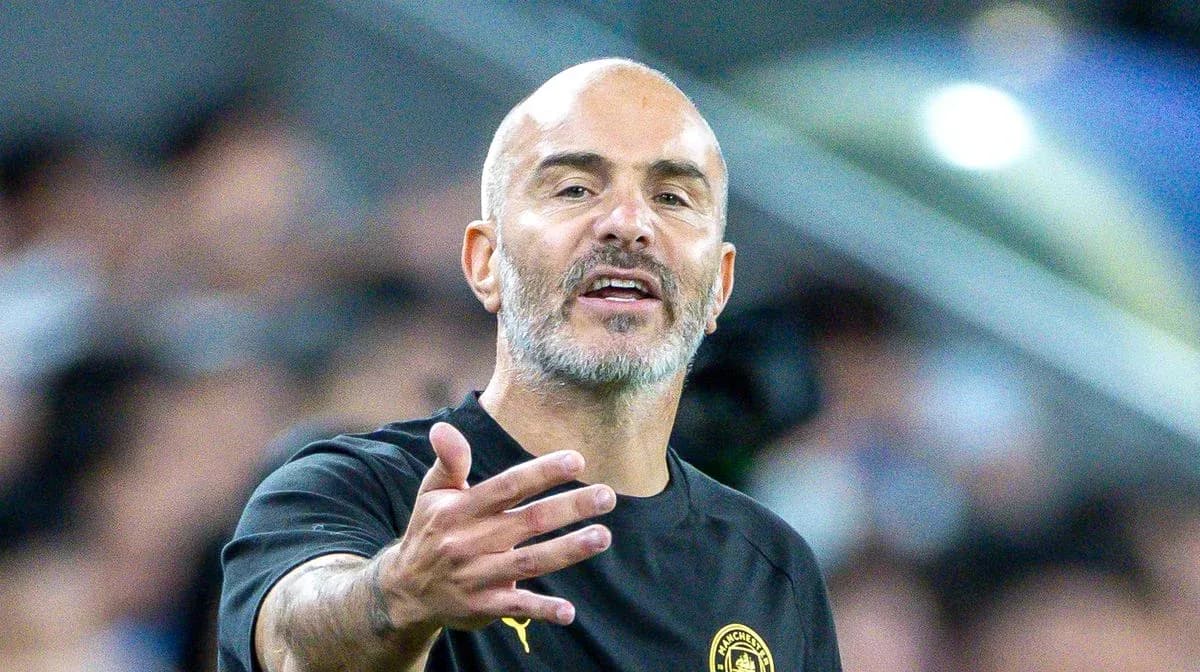
Enzo Maresca Establishes New Leadership at Manchester City
Enzo Maresca has been in the Manchester City job only a short time, but he has already drawn a firm line in the dressing-room sand: this will be his leadership group, chosen his way.
There will be no player vote for the captaincy. No ballots, no quiet lobbying, no popularity contest. Maresca wants control, and he wants a very specific profile at the heart of his first City side – including at least one English voice among his captains as the club moves into a new chapter.
Dias to the front
With Bernardo Silva gone to Real Madrid, the armband is expected to land on the arm of Ruben Dias. It feels like a delayed inevitability.
Dias was a leading contender last summer before Pep Guardiola halted the traditional dressing-room vote, and the Portugal defender has remained a constant, authoritative presence through the churn of recent months. Interest arrived from elsewhere, serious enough to test his resolve, but he chose to stay. That decision now looks set to be rewarded with formal status to match his influence.
Behind him, the leadership core that underpinned the Guardiola years has been stripped back. Erling Haaland and Rodri were the only other members of last season’s leadership group. Barcelona have moved quickly for Rodri, leaving another hole where calm and control once lived.
Vacancies, then. Big ones.
Maresca’s blueprint
Maresca’s response is not to spread the power but to sharpen it. He wants a tight, clearly defined group, players he trusts to carry his voice onto the pitch and into the training ground. And he wants at least one of those lieutenants to be English.
That is not a nod to sentiment. It is a deliberate attempt to root this new City in something local, something that understands the club from the inside as well as the demands from outside. The manager wants leaders who can bridge the gap between the dressing room and the stands, between the academy corridors and the Champions League nights.
Josko Gvardiol is one of those ready to step into the void if asked. The defender has never shied away from responsibility and would embrace a bigger role. But the manager’s plan clearly leaves space – and expectation – for homegrown authority.
Foden at a crossroads
Phil Foden hears that call loudly.
This week, the 26-year-old admitted publicly that he has to push himself into that leadership space, pointing out that he is now the longest-serving member of the first-team squad. That fact alone underlines how quickly City have evolved.
Two years ago, Foden was crowned the Premier League’s best player. Since then, the trajectory has stuttered. Form dipped, rhythm broke, and the effortless sparkle that once defined him has too often flickered rather than burned.
Now comes the reset. A new manager, a re-shaped hierarchy, and a clear opportunity. If Maresca wants an English standard-bearer, Foden is the obvious candidate: a local star, steeped in the club, old enough to command respect, young enough to grow into the role. The question is no longer whether he has the talent. It is whether he is ready to lead.
New faces, old habits
Maresca’s options do not end there. Marc Guehi arrives with captaincy already on his CV.
The defender wore the armband at Crystal Palace and slotted into City’s back line with minimal fuss after his winter move. He looked as if he had been there for years, not weeks, his composure and positional sense instantly in tune with the demands of a team that expects to dominate the ball.
He has not yet returned from his post-World Cup break, but his profile screams leadership material. Calm, disciplined, respected. Once he walks back through the door, he will be stepping into a dressing room where responsibility is up for grabs.
Nico O’Reilly and Elliot Anderson are also due back next week, part of the next wave feeding into Maresca’s squad. They are not yet in the captaincy conversation, but they will be watching closely as the hierarchy takes shape above them. For young players, the tone set now will define the standards they are asked to meet.
A different kind of City
For years, City’s dressing room policed itself, senior players voting for captains while Guardiola focused on the football. Maresca has chosen a different route. He wants to build his own spine, his own inner circle, his own culture.
Dias is likely to be the symbol of that shift, the armband on his sleeve and the responsibility on his shoulders. Around him, the new manager will pick his lieutenants, with an English core not just welcomed but required.
The names are familiar: Foden, Guehi, others who have led before or feel ready to. The dynamic is not. Under Maresca, leadership at Manchester City will not be granted by committee. It will be demanded, tested, and earned.

