.svg&w=384&q=75 "GoalGist logo")
Elliot Anderson Deal Highlights Man Utd’s Transfer Strategy
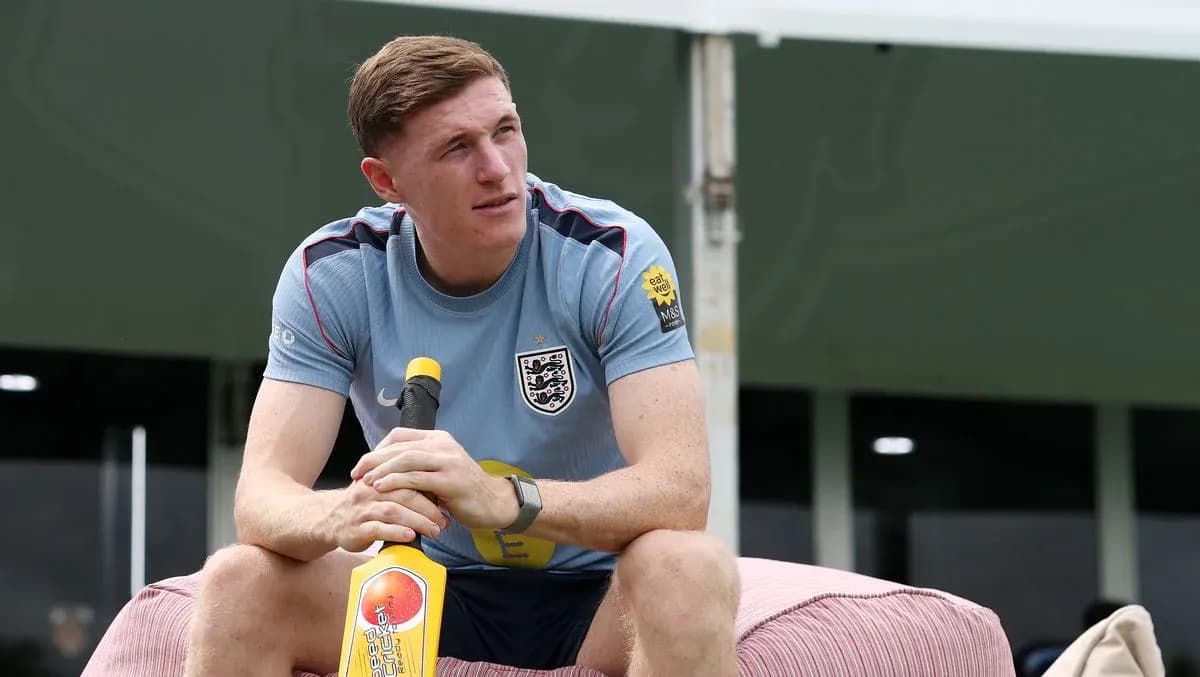
Elliot Anderson has spent the last week in Kansas City looking like a man without a care in the world. Cricket bat in hand at England’s training camp, relaxed, smiling, drifting through drills.
Behind the scenes, his future was anything but casual.
Manchester City have now cut through the noise. They have an agreement in place to sign the Nottingham Forest midfielder in a deal worth £116m, a figure sources close to Forest insist is actually closer to £130m. Whatever the final number, one fact stands out: Anderson is about to become the most expensive British player of all time.
And Manchester United are watching from a distance. By choice.
United walk away from Anderson
United were in the race. Briefly. City’s opening bid, already high, was knocked back, the price climbing into territory that made Old Trafford’s decision-makers step away.
This is exactly the scenario Omar Berrada has been warning about since he arrived as United’s CEO. Speaking on the club’s in-house podcast, he laid out the new doctrine:
“We have to be really disciplined, it’s simple. We have a plan, we know what we can invest, and we have to stick to that,” he said. “In some cases, we may decide to make an investment knowing it’s the right thing for not just the next two or three years, but the next 10 years. But clearly, we need to stay very focused on what we’re trying to achieve. It’s very important that you don’t let the market or the agents dictate.”
The Anderson saga has become the first major test of that stance.
On the pitch, he would have been an ideal long-term successor to Casemiro: technically sharp, press-resistant, with the engine to dominate Premier League midfields for years. On the balance sheet, though, the numbers spiralled into a zone United were unwilling to enter.
You can hardly blame them.
Fernandes, Spurs and a looming dilemma
Walking away from Anderson only made sense because United believed there was another path. That path led to Mateus Fernandes.
The West Ham midfielder, just 21, ticked the right boxes in the data. Last season he won more tackles than Anderson and completed more accurate switches of play. He trailed only narrowly on ground duels, total possessions won, and recoveries in the defensive third.
For a recruitment department that leans heavily on metrics, Fernandes looked like a smart, attainable alternative. West Ham’s relegation only sharpened the sense that there was value to be had.
Then Tottenham arrived.
Spurs’ interest has been greeted with delight in the West Ham boardroom, and with good reason: they are prepared to talk about numbers United had hoped to avoid. West Ham want £85m. Tottenham, crucially, might be willing to meet it.
That figure drags United back to the same uncomfortable question.
They want to be disciplined. They want to avoid being bounced into overpaying. But at some point, if you want top-tier talent in a market this inflated, you have to pay.
Is Mateus Fernandes an £85m midfielder? Or is he simply an £85m midfielder in 2024’s warped economy?
Discipline vs ambition
The new financial year is days away. Accounts reset, strategies harden, and clubs start playing their cards. By this time next week, Fernandes’ future is likely to be much clearer.
United must decide how far they are willing to push Berrada’s mantra. They exited the Anderson race early, before it became a circus. With Fernandes, they may not have that luxury if Tottenham keep driving the price towards West Ham’s valuation.
Behind Fernandes sit other names, other profiles, other data sets that the analytics team admire. Yet everyone inside the club knows the reality: the further you move down the list, the more you are compromising on quality, at least in theory.
At some stage, United have to commit.
They are ready to spend on a marquee midfield signing. That message has been consistent. Supporters, then, should not panic about a lack of ambition. The concern, internally, is different: paying the right price, not just any price.
Anderson’s cost blew past that threshold. If Spurs now go all-in on Fernandes, United’s response will reveal whether this “disciplined” approach is a guiding principle or a convenient slogan.
Because £85m, historically, would not land you a player with back-to-back relegations on his CV. It underlines how far the market has shifted. Fernandes is talented, his ceiling still rising, but the fee says as much about football’s financial distortion as it does about his potential.
Looking beyond the obvious
If the Fernandes auction escalates, United may look elsewhere. Germany international Felix Nmecha is on the radar, and Borussia Dortmund have never been shy about cashing in on key assets at the right moment.
That is the kind of profile that tempts sporting directors: younger, proven at a high level, potentially available at a price that feels like an opportunity rather than a hostage situation.
In a perfect world, United would have had a clear run at Anderson at a reasonable fee and been done with it. One decisive move, one elite midfielder secured, one problem solved.
But the transfer market doesn’t do “perfect”. It twists. It turns. It drags clubs into bidding wars and forces them to choose between their principles and their impatience.
Manchester City have their man. Tottenham are pushing hard for theirs. Now the spotlight swings to Old Trafford: will United hold their nerve, or finally break it to get the midfielder they believe can anchor the next decade?

