.svg&w=384&q=75 "GoalGist logo")
De Zerbi Defends Tonali Amid Spurs' Fragility in Newcastle Loss
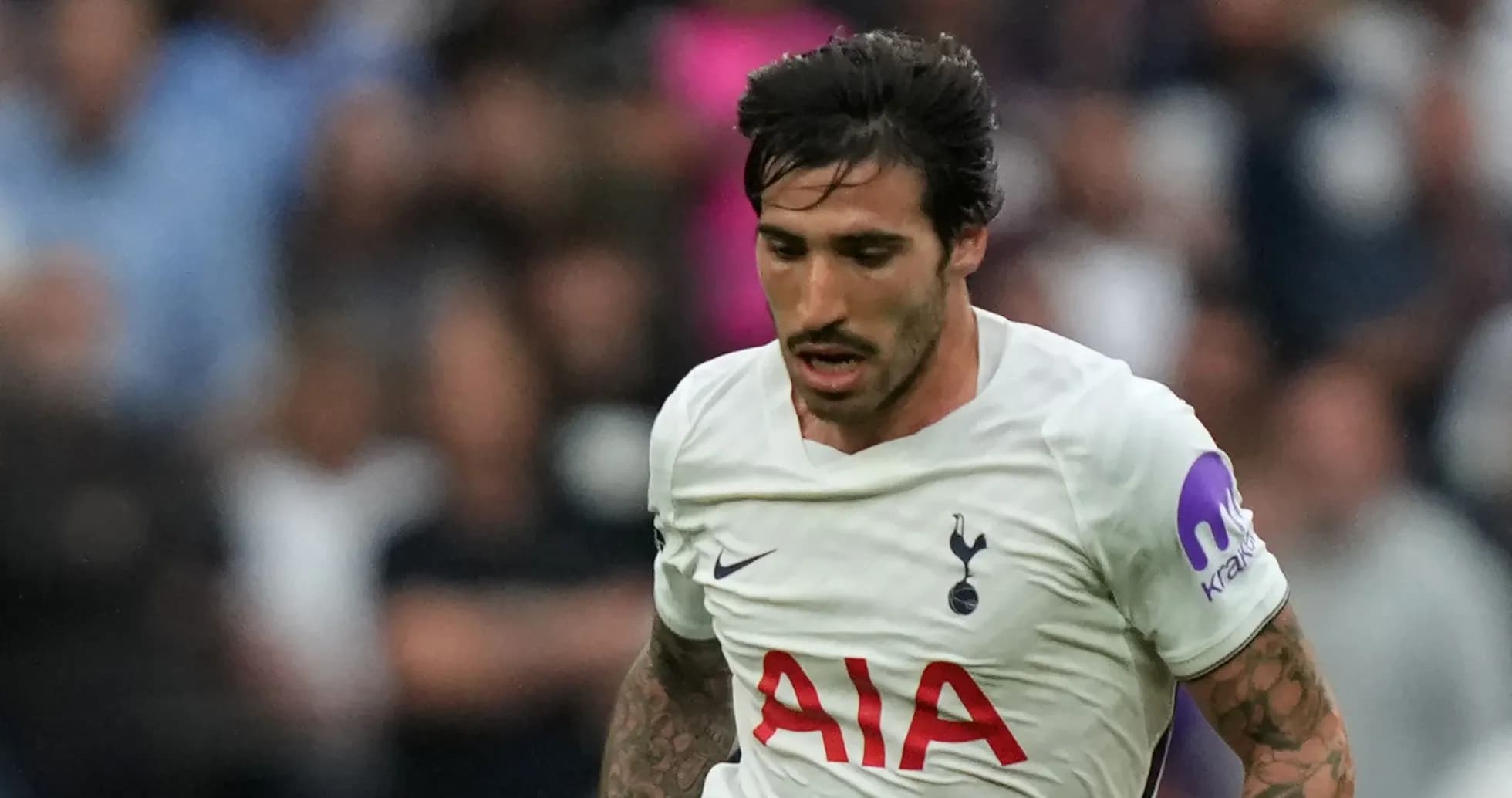
Roberto De Zerbi refused to turn Sandro Tonali into the scapegoat. Not on this night. Not even after a bruising 2-0 defeat to Newcastle that left the Italian midfielder at the eye of the storm and Tottenham’s early-season optimism already fraying.
Tonali, Spurs’ first-ever nine-figure signing and the symbol of their summer reset, endured a grim evening in North London. Rested in midweek against Charlton to sharpen his fitness, he returned to the Premier League stage looking a yard short. He was partly at fault for Anthony Elanga’s opener, then hooked on 75 minutes to loud cheers from the away end.
The reaction from the stands cut. De Zerbi’s response did not waver.
“No, I love Sandro Tonali,” he said afterwards, emotion plainly close to the surface. “Today is the day where my emotion for my players is bigger than the other days because we are building together the club, Vinai (Venkatesham), Johan Lange, the owners, me and they (the players) are like our children. So, this day is so sad. We are all of us very disappointed for the result, but I love my players more today than the next win we will make. I believe more than the Brentford game of our project, I believe in our players.”
It was a revealing answer. Spurs have thrown huge money at this rebuild, but their marquee arrival is still searching for rhythm. The mystery around Tonali’s physical condition lingers, particularly given his involvement in pre-season friendlies against Chelsea, Getafe and Hoffenheim. The legs are not yet where the reputation is.
De Zerbi did not hide from that reality. Tonali, he admitted, is operating below his peak. Yet he framed that as a temporary problem, not a structural flaw. In his mind, the former AC Milan and Newcastle midfielder remains a pillar of what Tottenham are trying to construct.
He is not alone in playing catch-up. The manager is juggling the return of several key figures who arrived late after international duty and injuries, complicating an already delicate tactical transition.
“I think (Omar) Marmoush for the first game played very well,” De Zerbi said. “It was the first game for Micky van de Ven and Pedro Porro, they came late and they are crucial for this team, after the World Cup, after two injuries. Sandro Tonali is another crucial player. He is not in the right condition, in the best condition yet, maybe physically.”
So the individuals are still finding their feet. The bigger worry lies deeper.
A fragile habit Spurs cannot shake
Once Elanga struck, the pattern felt grimly familiar. Tottenham conceded first and, once again, never truly looked like dragging themselves back.
Under De Zerbi, Spurs have now lost every match in which they have gone behind. The problem predates him, which makes the statistic even more damning: you have to go back nearly two years, to November 2024, to find the last time Tottenham conceded the opening goal in a Premier League game and still found a way to win.
That is not a quirk. It is a psychological fault line.
The moment Newcastle took the lead, the fragility returned. Passes grew safer. The pressing lost bite. The belief drained away almost in real time.
“After the goal we conceded, I think we lost the confidence. The reaction was not good enough,” De Zerbi admitted. “Not the reaction I want to see on the pitch and I said immediately after the end of the game, to the players, because when you are building something new, it’s tough, there are problems.”
He did not sugar-coat it. This is a team that still does not know how to suffer, still does not know how to turn a bad moment into a rallying point rather than a collapse.
Money spent, mentality still for sale
Two games, two defeats. For a club that has spent heavily, and for a coach hailed as a visionary appointment, the scrutiny is already sharpening.
The summer outlay, crowned by the £100m move for Tonali, has raised expectations of instant progress. De Zerbi has pushed back against that idea from day one. He is trying to change habits, not just faces, and that takes longer than a transfer window.
He returned to that theme again, stressing that the culture he wants cannot simply be wired in by spending.
“You can’t buy winning mentality in the transfer market,” he said, a line that felt as much a warning as an explanation.
So he protects Tonali, even as the price tag invites weekly judgment. He talks about players as “children” of a project still in its infancy. He leans into the long term on a night when the short-term picture looks bleak.
The question now is whether Tottenham, and a restless fanbase, are willing to live through these early growing pains while the most expensive signing in their history learns to carry the weight they have placed on his shoulders.