.svg&w=384&q=75 "GoalGist logo")
Chelsea's Thrilling Comeback Against Leeds in Carabao Cup
Chelsea survived a wild Carabao Cup scare against Leeds, turning a shambolic first half into a ruthless second‑half onslaught that raised as many questions as it answered.
Chaos, then a comeback
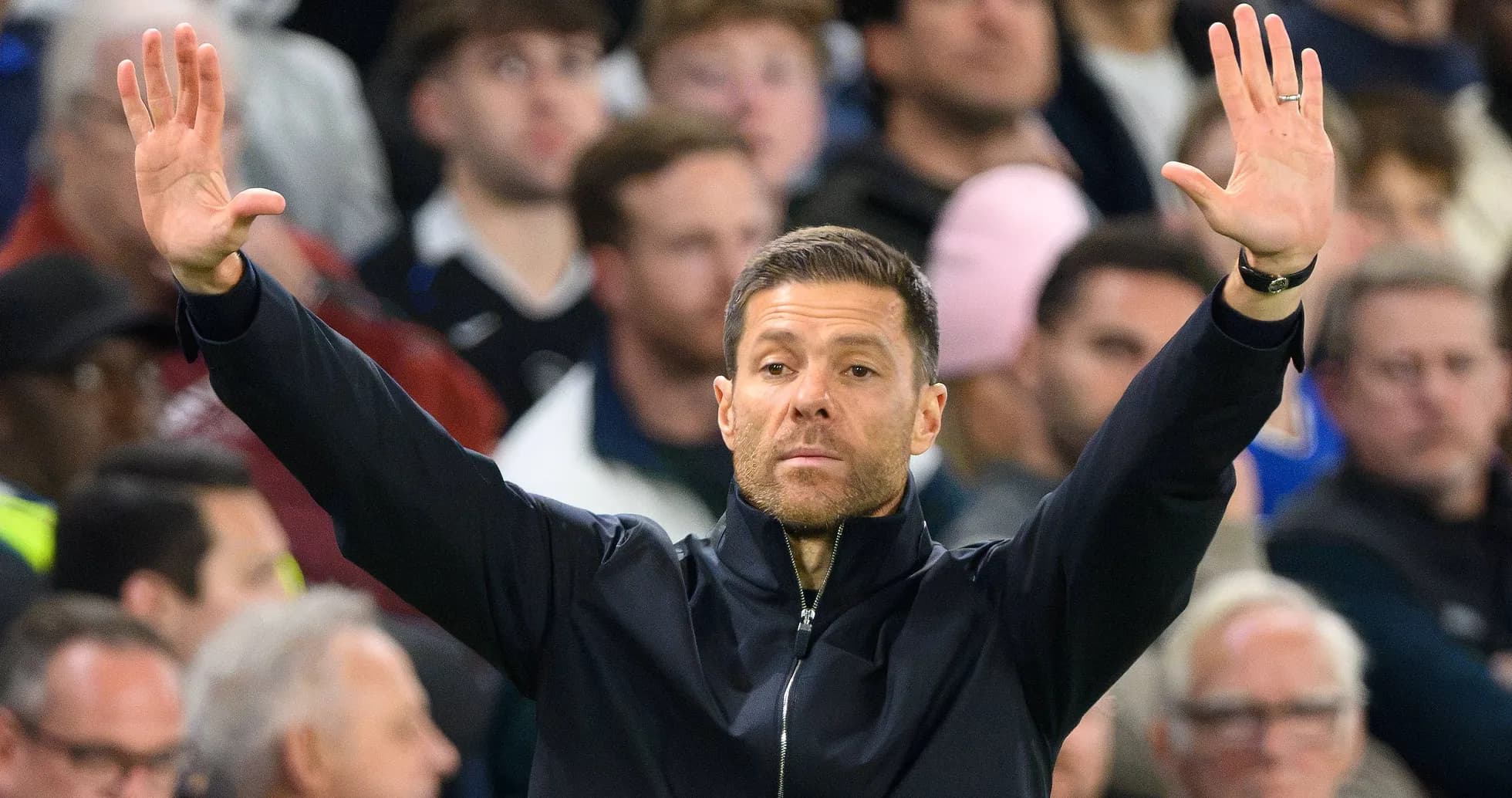
With nine changes from the weekend defeat to Arsenal, Xabi Alonso rolled the dice. For 45 minutes, it looked like a losing bet.
Chelsea were disjointed, flat, and miles off the pace. Leeds sensed it immediately. Tarik Muharemovic punished slack defending to put the visitors 1-0 up, and the lead felt entirely deserved as the Blues’ rotated XI struggled to stitch three passes together.
If the first half was bad, the restart was worse. Brenden Aaronson doubled Leeds’ advantage shortly after the interval, and Stamford Bridge fell into that uneasy hush that only comes when a cup exit starts to feel real.
Alonso could not wait any longer.
Palmer sparks the turnaround
Four changes at half-time. Four big calls. The response was instant.
Cole Palmer dragged Chelsea back into the tie, first from the penalty spot and then with a second goal barely two minutes later. The tempo flipped. The tension flipped. Leeds, suddenly, were the ones hanging on.
The pressure finally told. Pedro Neto struck to complete a staggering six-minute turnaround, swinging the scoreline from 0-2 to 3-2 and transforming the mood inside the stadium.
From there, Chelsea smelled blood. Danny Welbeck made it 4-2, finishing off a move created by Morgan Rogers, who was rapidly becoming the architect of Leeds’ collapse.
Dominic Calvert-Lewin briefly reopened the contest, pulling one back to make it 4-3 and jolt Chelsea out of any thoughts of a procession. But the hosts refused to panic. Valentin Barco slammed in his first Chelsea goal to restore daylight, and Welbeck’s late second wrapped up a breathless 6-3 win.
Rogers walked off with three assists from the bench, a quiet game-changer in a night of loud drama.
Alonso takes the blame
The scoreline looked emphatic. The story behind it was not.
Alonso chose not to turn on his fringe players afterwards. He turned on himself.
"I take responsibility," the former Bayer Leverkusen coach said. "No player to blame, it’s a decision that we took. First half things were not going the way we wanted. When you do not have time to work [with the squad players], it’s difficult to compete at this level. We need to analyse, but happy that we are going through, happy with the reaction.”
He admitted he may have asked too much of those on the fringes.
"I will have a deeper assessment about how I can help players that aren’t playing that much to have a better impact, to have a better feeling.
"Today it was difficult for them. Maybe I made it too difficult. But you need to react and take decisions. The impact was good from the players that came on. I need to take my own blame and my own responsibility."
Depth under the microscope
The manner of the win threw a harsh spotlight on Chelsea’s depth. Ten first-team signings arrived in the window, yet the so-called second string looked fragile and alarmingly open against a Leeds side that had no right to dominate for so long at Stamford Bridge.
The obvious question followed: does this performance expose a lack of reliable backup options?
Alonso rejected that conclusion.
"I prefer not to take that cynical way," he insisted. "I know I probably haven’t taken the right decisions for them to show their best levels. It’s something I will analyse and learn from."
Chelsea are into the next round. The comeback was thrilling, the reaction from the senior stars emphatic. But beneath the roar of a 6-3 win lies a harder truth: if this is what heavy rotation looks like, how often can Alonso really afford to roll those dice again this season?