.svg&w=384&q=75 "GoalGist logo")
Brazil’s VAR Controversy: A Political Battle with FIFA
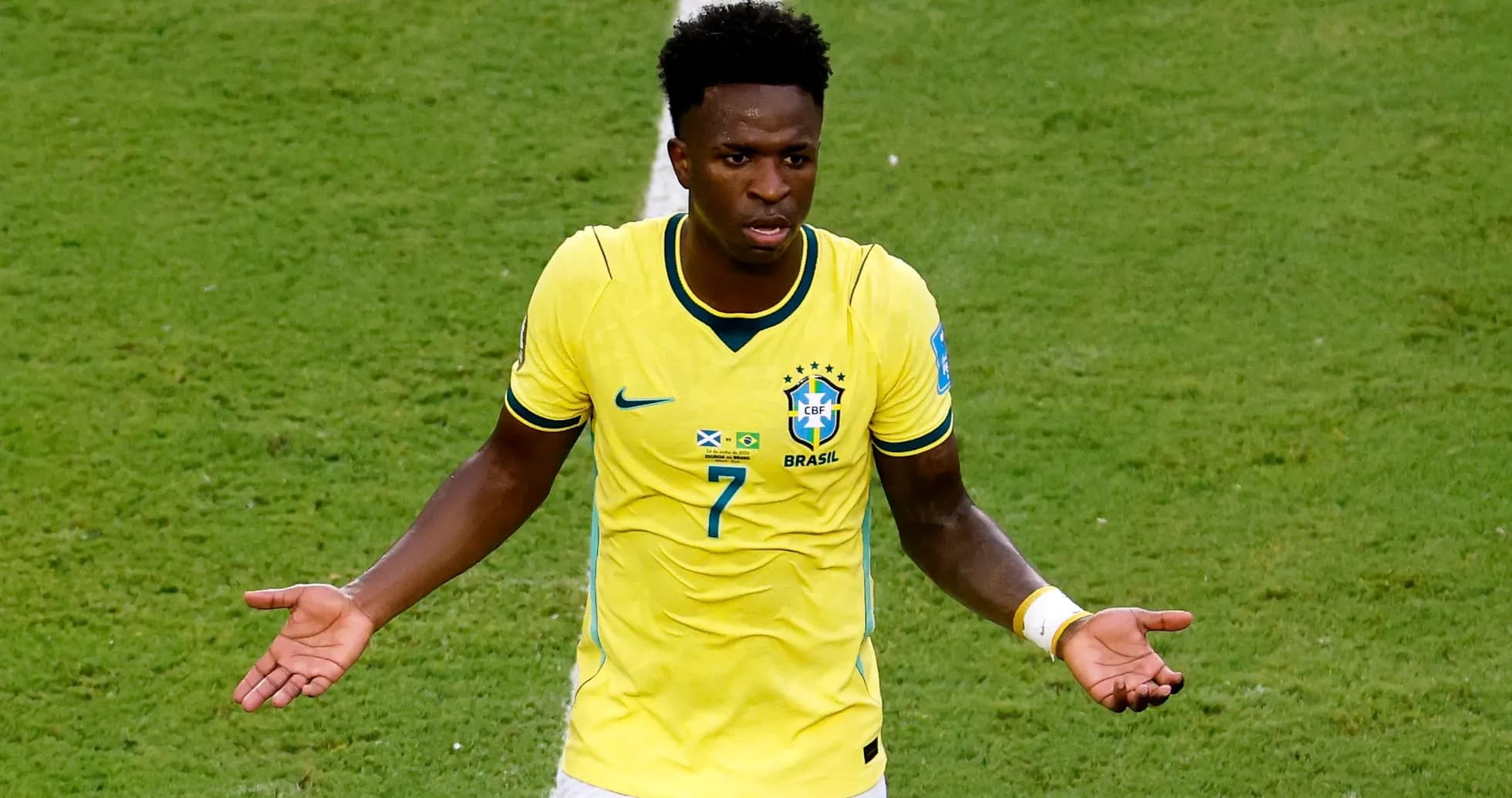
For a few seconds in the 21st minute, it looked like Brazil had killed the contest and their group. Vinicius Jr nicked the ball from Jack Hendry, glided clear and slipped a cold, ruthless finish past Angus Gunn. Two-nil, job done. Cesar Ramos pointed to the centre circle.
Then came the familiar, unwelcome pause.
The VAR check dragged the moment back. Replays rolled, angles multiplied, and the decision flipped. Foul by Vinicius in the challenge on Hendry. Goal ruled out.
On the Brazilian bench, disbelief turned quickly into anger. Carlo Ancelotti’s staff spilled to the edge of the technical area, protesting a call they felt was the opposite of what the VAR protocol promises: not “clear and obvious,” but soft and debatable. A routine tussle, in their eyes, elevated into a game-changing intervention.
The incident has not been left on the grass. It has become a political fight.
CBF Takes Aim at Ramos
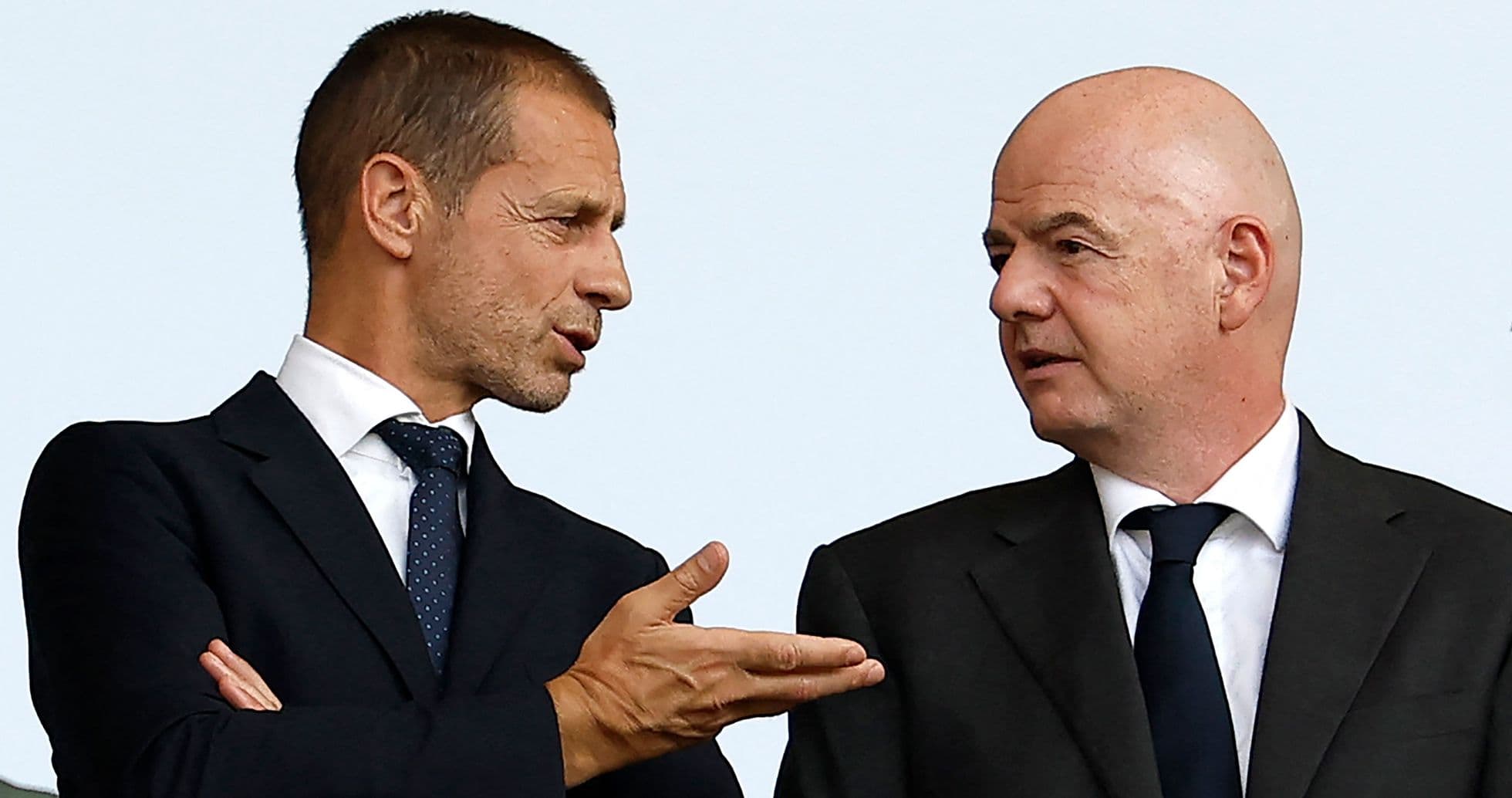
Within days, CBF president Samir Xaud had moved the controversy from the touchline to the corridors of power. In a formal letter addressed directly to FIFA president Gianni Infantino, Brazil’s federation challenged not only the decision against Scotland, but what it sees as a broader pattern of inconsistency in this tournament’s officiating.
At the heart of the complaint is Mexican referee Cesar Ramos. The CBF has asked that he be removed from any future Brazil assignments in North America, arguing he should never have been appointed to their matches in the first place.
The letter, as reported by Brazilian outlet Estadao, cites what the CBF describes as a “negative history” with Ramos. They point back to the 2018 World Cup group-stage draw with Switzerland, when Brazil felt they were denied a clear penalty and a foul in the build-up to the Swiss equaliser. For the federation, that night in Russia never truly faded; it has now been revived as Exhibit A in their case.
The argument is blunt: given that previous friction, Ramos should not be in charge of Brazil on a stage of this magnitude again.
Messi Used as the Counterexample
In a striking move, Brazil’s authorities even leaned on their greatest rival to make their point. The CBF letter references a goal scored by Lionel Messi for Argentina against Austria earlier in the tournament, highlighting what they see as similar physical contact in the build-up that, in that case, did not trigger a VAR intervention.
To Brazil, that comparison cuts to the core of their grievance. Physical duels that are waved through for some teams, scrutinised and punished for them. One challenge is allowed to stand, another is hauled back. The message from the CBF is clear: if those are the standards, they want to know why Brazil are being judged differently.
The document also notes that the call against Scotland “seemed unexpected not only for the Brazilian team, but also for the Scottish players,” pointing to the lack of immediate appeals or protests from the opposition. The implication is sharp: if even the supposed “victims” of the foul were not looking for it, what was VAR really doing stepping in?
Ancelotti Keeps Eyes on Japan
While the federation fights its battle in the boardroom, Ancelotti has little choice but to narrow his focus. The knockout rounds wait for no one, and Brazil now head to Houston for a round of 32 tie against Japan.
On the pitch, his side did what they needed to do. Vinicius Jr eventually got his second of the night, legally this time, and Matheus Cunha added a third to close out a comfortable win and secure top spot in Group C. The controversy did not derail the result, even if it coloured the mood.
Ancelotti, typically, struck a measured tone after the final whistle. The Italian stressed performance over politics, pointing to a team that is beginning to look more like a cohesive unit than the disjointed side that opened the tournament.
“Now we are playing as a team, that is the goal. We are not perfect, we have things to improve. We can be a little quicker when we have control,” he told reporters. “I’m happy because the team has improved a lot, now we are solid. In the knockout stage, solidity is very important. We have a solid team. Compared to the first game, we are making fewer mistakes, we have more rhythm, and we are more effective up front.”
His words underline the split-screen reality around Brazil right now. On one side, a federation going on the offensive, pushing FIFA to answer for perceived double standards and to sideline an official they no longer trust. On the other, a coach trying to shut out the noise and ride the momentum of a team that is tightening up at the back and sharpening at the front just as the stakes rise.
The next chapter comes in Houston, against a Japan side that rarely backs down and never stops running. Brazil will arrive there angry, organised, and under a spotlight that now shines as much on the referees as on the players.