.svg&w=384&q=75 "GoalGist logo")
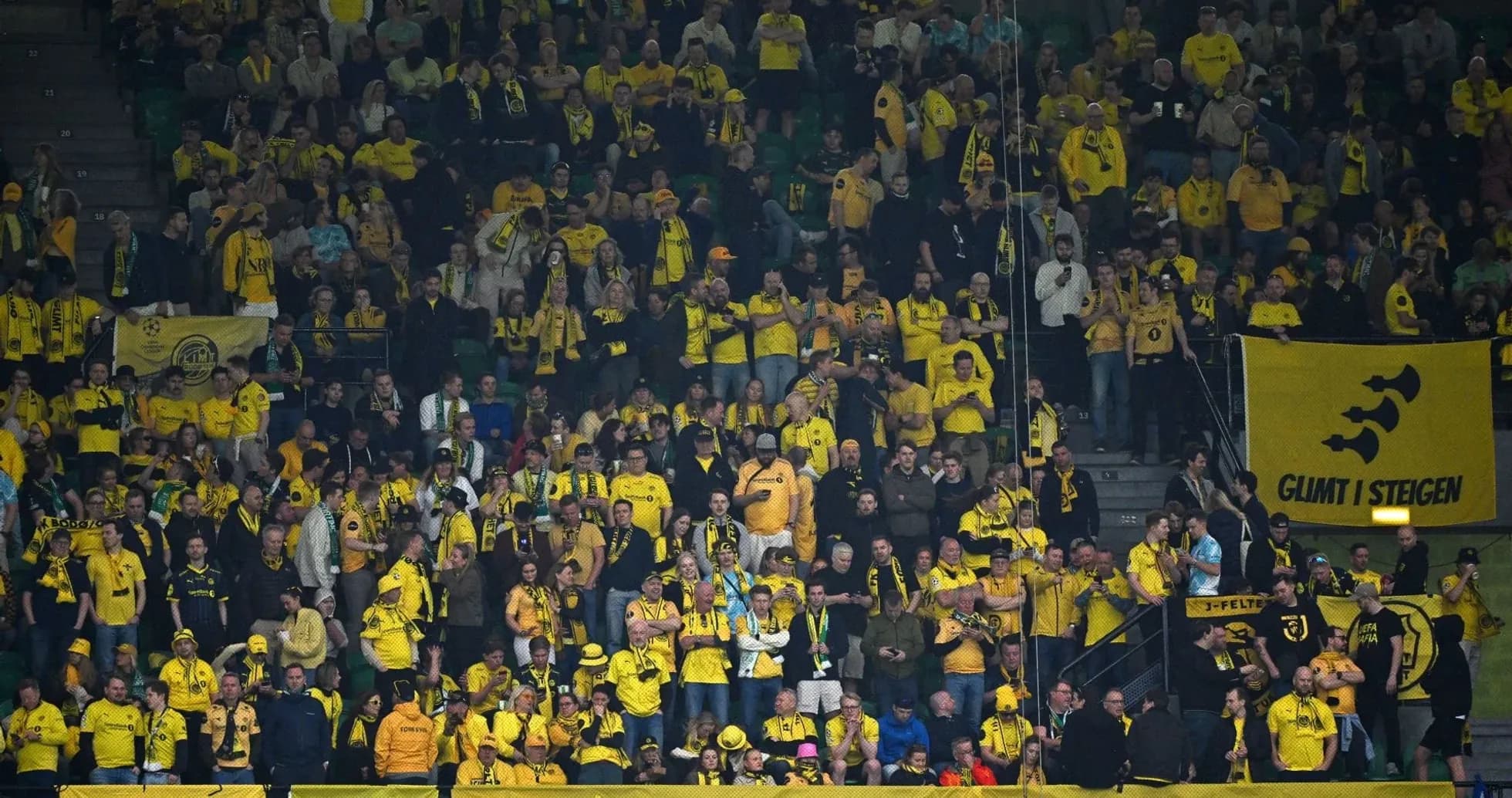
Bodo/Glimt vs Union St. Gilloise: Champions League Qualifying Showdown
At Aspmyra Stadion, Bodo/Glimt host Union St. Gilloise in the second leg of a UEFA Champions League 3rd Qualifying Round tie, a pivotal step for both clubs in their push toward the lucrative league phase of the competition and the financial and sporting platform that comes with it.
Head-to-Head Tactical Summary
The sides have already met twice in European competition. On 4 October 2024 in the UEFA Europa League league stage at Stade Roi Baudouin in Brussel, Union St. Gilloise and Bodo/Glimt drew 0–0 after a goalless first half. Most recently, on 4 August 2026 in this Champions League 3rd Qualifying Round at AlbertPark in Oostende, Union St. Gilloise again hosted Bodo/Glimt and the match finished 3–3, with a 2–2 scoreline at half-time. Across these two fixtures, Union St. Gilloise have been the home side both times, and the pattern is of high-scoring balance in the latest meeting after a cagey, low-event draw in 2024.
Global Season Picture
- League Phase Performance: There is no current group-stage or league table data available for either Bodo/Glimt or Union St. Gilloise in the 2026 Champions League, so their goals for, goals against, and points in the league phase cannot yet be quantified.
- Season Metrics: In the league phase context so far, Bodo/Glimt’s Champions League campaign consists of one away match, the 3–3 draw in Belgium. They have scored 3 and conceded 3, with no clean sheets and one successfully converted penalty, and they have used a 4-3-3 structure. Their disciplinary profile shows two yellow cards concentrated in the 31–45 minute window. Union St. Gilloise likewise have played one match, at home, also scoring 3 and conceding 3, with no clean sheets and no penalties taken, operating from a 3-4-1-2 base and spreading their yellow cards more evenly through the match (notably in the 16–30, 31–45, 61–75 and 76–90 minute ranges). Both teams’ early-season metrics point to open games with defensive vulnerability and no evidence yet of control through clean sheets.
- Form Trajectory: Both sides carry a “D” form marker in this Champions League campaign, reflecting a single draw each. For Bodo/Glimt, that is a high-scoring away draw; for Union St. Gilloise, it is the same match from a home perspective. The trajectory is therefore flat but with clear attacking threat and unresolved defensive issues on both sides heading into the return leg.
Tactical Efficiency
With both teams having identical raw outputs so far in this Champions League run—three goals scored and three conceded in one match—tactical efficiency is defined more by style than by numbers at this stage. Bodo/Glimt’s 4-3-3 suggests a more traditional width-based attacking structure, which in the first leg produced three away goals but also exposed them to transitions, as indicated by the three goals conceded and the lack of a clean sheet. Union St. Gilloise’s 3-4-1-2 is more flexible between back three and back five, but their concession of three goals at home shows that the wing-back and half-space coverage was not fully secure.
Disciplinary patterns hint at where pressure builds tactically: Bodo/Glimt’s yellow cards clustering just before half-time point to stress when defending deeper phases late in the first period, while Union St. Gilloise’s bookings are spread across several segments, suggesting repeated defensive interventions throughout the match rather than one concentrated spell. In terms of attack-versus-defense balance, both sides are currently operating as high-variance outfits—capable of creating and converting chances but without demonstrable control of the opposition’s threat. That symmetry sets up a second leg in which small structural adjustments (for example, Bodo/Glimt’s rest defense in wide areas or Union St. Gilloise’s protection of their back three on counter-attacks) could decisively shift the tie.
The Verdict: Seasonal Impact
This second leg is season-defining for both clubs. Progression from the 3rd Qualifying Round keeps the Champions League pathway open, with the immediate prospect of a play-off tie and, ultimately, access to the league phase with its financial uplift, higher-profile fixtures and enhanced recruitment leverage. For Bodo/Glimt, turning an away 3–3 into a home qualification would underline their status as a rising European presence and sustain momentum domestically by anchoring their season around continental nights at Aspmyra Stadion. Failure to advance would likely reframe their year around domestic objectives and, depending on the competition structure, a potential drop into a secondary European tournament.
For Union St. Gilloise, not capitalising on three home goals in the first leg places significant pressure on this trip to Norway. Elimination here would curtail their Champions League ambitions early in 2026 and could shift focus back to securing domestic league position and alternative European routes. Conversely, if they manage to navigate this high-scoring tie and qualify, it strengthens their European profile and supports a narrative of sustained growth beyond their domestic league. In strategic terms, the result will not decide a title race or relegation battle directly, but it will heavily shape both clubs’ competitive ceiling and financial bandwidth for the rest of 2026.