.svg&w=384&q=75 "GoalGist logo")
Wrexham's Frustrating Draw Against Cardiff City in Welsh Derby
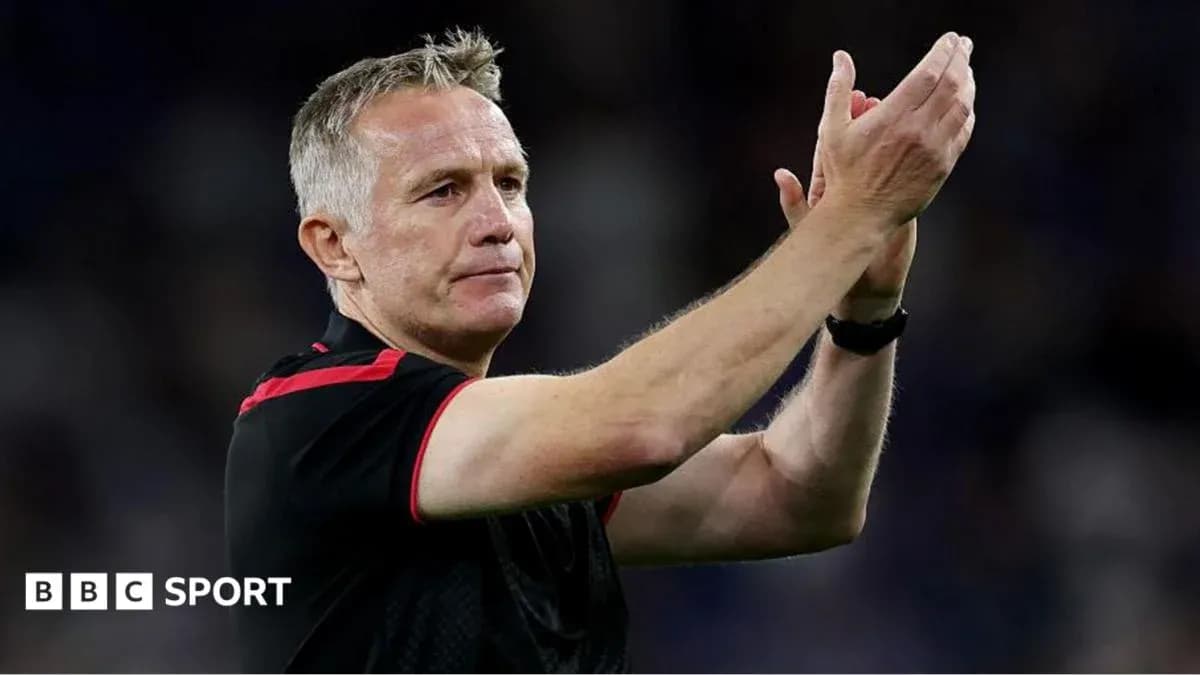
Phil Parkinson left the Cardiff City Stadium shaking his head, ruing both his side’s wastefulness and the length of added time after a 98th-minute free-kick snatched victory away from Wrexham in the Welsh derby.
For so long, it looked like the perfect start to their Championship campaign. Kieffer Moore struck in just the third minute, silencing the home crowd and giving Wrexham early control. From there, they carried the greater threat, stretching Cardiff and repeatedly finding space to break.
The chances came. The finish never did.
Wrexham twice crashed efforts against the woodwork and forced the Cardiff goalkeeper into a string of stops, but not the decisive, highlight-reel save that would have told of a game stolen rather than surrendered.
"We've had chances to kill the game off. We haven't taken them, the keeper's made saves, but we haven't really made him make a top-class save," Parkinson admitted afterwards, frustration etched across every word.
Cardiff struggled to live with Wrexham’s direct running and intensity. Time and again the visitors found gaps, turned the home defence, and looked ready to put the contest to bed. The away end could sense it. So could their manager.
"We knew we could give Cardiff problems and time and time again we did," Parkinson said. "Really in the cold light of day, the game should have been out of sight, but it wasn't."
That failure to finish left the door open. Deep into stoppage time, Cardiff stepped through it.
With virtually the last kick of the game, Rubin Colwill stepped up over a free-kick and smashed it in, a brutal twist after Wrexham had done so much of the hard work. The equaliser, arriving in the 98th minute, not only cost Parkinson’s side two points, it sharpened his irritation at the length of time added on at the end.
The performance showed Wrexham can trouble established Championship sides. The result underlined exactly what this level demands: when the chances come, you have to bury them, because someone like Colwill is always waiting at the other end.