.svg&w=384&q=75 "GoalGist logo")
Controversies Surrounding the World Cup: Chaos in the Build-Up
World Cups have always attracted controversy. They have gone to regimes under scrutiny, to nations wrestling with politics and power. This one feels different. Not just contentious. Chaotic.
In the United States, the build-up has lurched from one off-field storm to another, creating a sense of disorder that even seasoned observers are struggling to shrug off.
The latest flashpoint came with referee Omar Artan. Denied entry to the country, he has been removed from the tournament’s officiating team altogether. For a showpiece that sells itself on global inclusion and elite standards, the optics are grim: a World Cup host unable to get one of its own appointed officials into the country.
That story landed on top of growing anger over ticket prices. Fans have been staring at eye-watering costs and asking a simple question: who is this World Cup really for? The numbers have sparked serious concern that ordinary supporters are being pushed aside in favour of corporate guests and those willing to pay a premium for the spectacle.
Then came another jarring detail. Iraq striker Aymen Hussein was reportedly held by customs for seven hours this week. Seven hours of uncertainty for a player meant to be one of the tournament’s protagonists. It added another layer to a narrative that keeps veering away from football and into bureaucracy, access, and politics.
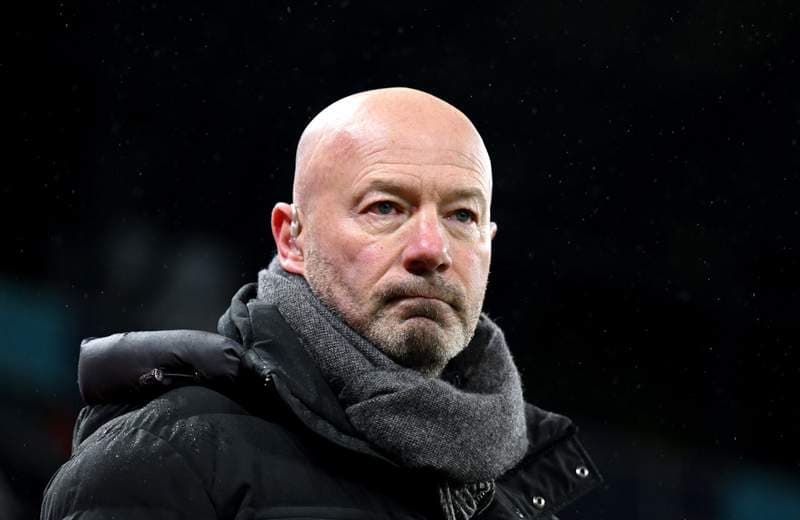
Alan Shearer has seen enough World Cup cycles to know the usual noise. This, he says, is something else.
On The Rest Is Football, the former England captain did not bother to dress it up. He called the current situation “an awful look” and “a terrible look”, and stressed that the volume of off-pitch issues before this edition is higher than he can remember.
Shearer pointed directly at the Artan decision, the ticketing furore and the sense that “real fans” are being priced out of “the biggest tournament in the world”. His verdict was blunt: “It’s not right, not at all.”
He is not alone. Gary Lineker has already voiced his own unease, highlighting the political backdrop and the cost of attending matches. For him, the fear is clear: that World Cup ticket prices are shutting out the very people who give the competition its colour and noise, those who turn a global event into a living, breathing occasion.
The tension around this tournament has not come from a single flashpoint. It has built in layers: politics, access, pricing, organisation. Each new story chips away at the clean, polished image organisers try to project. Each new problem nudges the conversation further away from line-ups and tactics and closer to visas, customs and cash.
There is always an element of turbulence before a World Cup. Stadiums run late. Squads suffer injuries. Governments posture. But this time, the sense of unease has lingered longer than usual. It has started to feel like the main act rather than the background noise.
And so fans wait. Not for another statement or clarification, but for a ball to be rolled into the centre circle and for something simple to take over: the game itself.
Because at some point, the whistles will blow, and the tournament will have to answer the only question that really matters now: can the football cut through the mess that has surrounded it?

