.svg&w=384&q=75 "GoalGist logo")
Transfer Deadline Day Fallout and Title Races
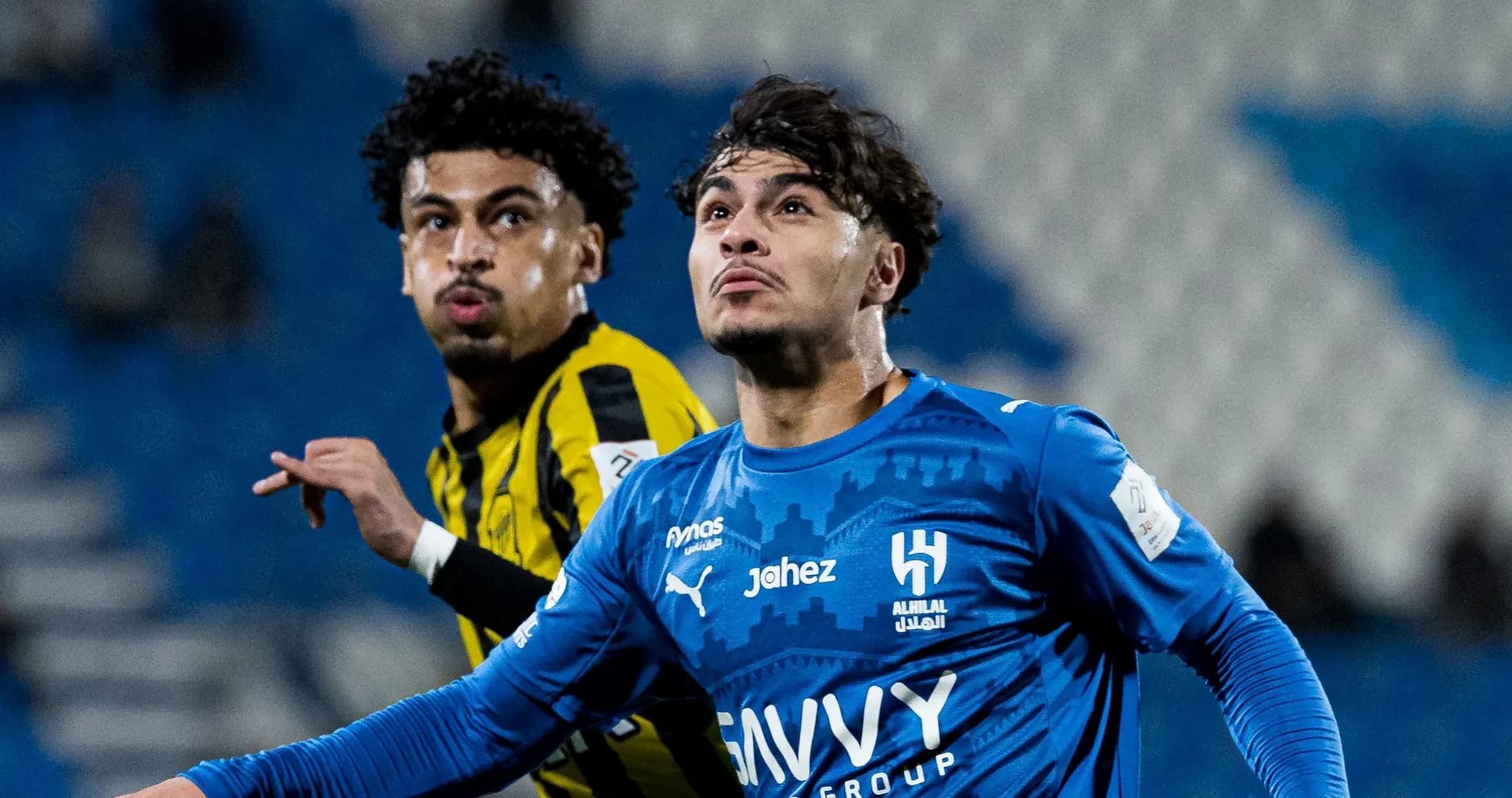
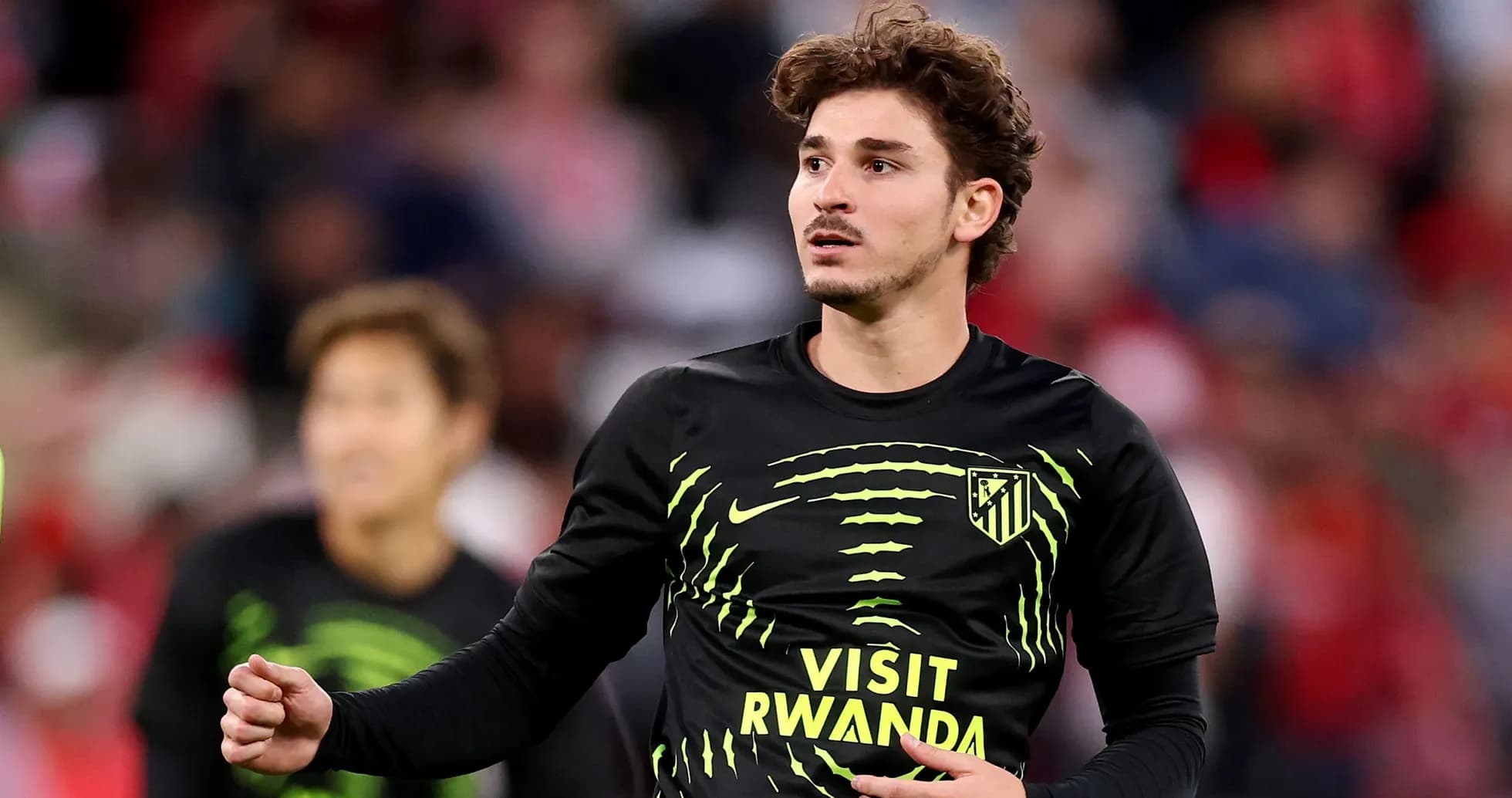
Deadline day closed with more questions than answers. Big names hovered, deals twisted late, and some simply never crossed the line. Among the most talked about: the moves that never materialised for Folarin Balogun and Ibrahim Camara.
Balogun, long linked with a switch that promised more minutes and a central role, stayed put as negotiations dragged and collapsed under the weight of valuation, timing and leverage. The interest was real, the talks advanced, but the clock beat everyone. Camara’s situation followed a similar pattern: strong noise, concrete discussions, then a hard stop when the numbers and conditions no longer matched what the buying club wanted. Deadline day offered the usual theatre; in the end, both players woke up exactly where they started.
While those deals stalled, the focus swung to the top of the table. Have the main challengers armed themselves well enough to go after Arsenal this season?
Some have gone for depth, stockpiling options to cope with the relentlessness of a title chase. Others have gambled on star power, preferring one marquee signing to three squad players. The question is whether anyone has truly closed the gap. Arsenal’s core remains settled and battle-hardened from last season’s run. To catch them, rivals needed clarity: a defined style, a sharper bench, and answers in both boxes. A few clubs look closer, a couple look short, and one or two appear to have simply moved sideways. The league table will expose who did their real work and who only chased headlines.
Norris, Piastri and a shifting balance at McLaren
Away from the pitch and onto the track, the Norris deal has redrawn the lines at McLaren. By tying Lando Norris down on fresh terms, the team has nailed its colours to the mast. Norris is not just a race winner in waiting; he is the project.
For Oscar Piastri, the message is clear but not necessarily negative. Norris’s commitment signals stability, long-term investment and a car that should keep moving towards the front. Piastri, still early in his Formula 1 journey, now measures his progress against a driver the paddock rates highly and a team that has publicly backed both of its young stars. The internal battle intensifies. So does the spotlight. If Piastri keeps matching or beating Norris, his own value – and options – only grow.
Premier League team of the week – through Troy’s eyes
Every round produces numbers. Troy’s Premier League team of the week adds something else: edge, perspective and a hint of dressing-room truth. His XI rewards the players who changed games, not just those who padded stats.
There’s space for the relentless full-back who ran himself into the ground, the centre-half who headed away everything, and the midfielder who dictated the tempo when everyone else panicked. Big names are not guaranteed a place. Some are missing, replaced by the weekend’s real difference-makers. The message is simple: reputations don’t win you a spot. Performances do.
From horror accident to UFC dream
One story cuts through all the noise. A man dragged 60ft under a bus should not be thinking about a UFC contract. He should, by every normal measure, be grateful simply to walk again.
He refused that script. Recovery became a fight in itself: surgeries, rehab, pain, and the daily grind of learning to trust his body again. Now he stands on the brink of something extraordinary, trying to turn a near-tragedy into a platform for a professional career in the octagon. Every step into the cage carries the memory of that day on the road. Every punch thrown is a statement: survival wasn’t enough.
Monza, Messi and the thin line between history and what might have been
Monza tells its own story in snapshots. The Italian Grand Prix has given us scarlet seas of Ferrari red, shock winners, and title-defining moments. Old photographs show cars skimming the banking, fans flooding the track, and champions crowned under late-summer skies. Each year adds another layer to a circuit that feels less like a venue and more like a living archive of Formula 1.
Football has its own sliding-door moment. Lionel Messi’s decade of dominance almost never happened the way we remember it. Early doubts about his size, his physical development and the cost of treatment pushed his future to the brink. Without the right backing at the right time, the record books look very different. Instead, he reshaped them, season after season, until arguments about the greatest of all time had to run through his name.
Robinson’s rise, Serena’s shadow and Barcola’s fightback
On the international stage, Robinson’s success owes a debt to Australia’s tactical blueprint. A clear structure, disciplined roles and a system built to squeeze the best out of his strengths have pushed him into a new bracket. He has become a symbol of how the right plan can elevate a good player into a key one.
On another court, a different journey. Playing Serena Williams on screen is one thing; following in her footsteps is something else entirely. The actress-turned-player now walks a path where fiction and reality blur, carrying the weight of a name that transformed tennis. Every serve and every step draws comparison, fair or not.
Bradley Barcola knows about pressure too. Once tagged the “grasshopper” for his light frame and rawness, he has had to live with setbacks that might have broken others. Limited minutes, criticism, doubts about end product – all of it could have stalled him. Instead, he sharpened his movement, toughened his game and turned that nickname into a symbol of resilience. Now, when he stretches defences and skips away from markers, the label feels less like a joke and more like a warning.
Infantino, Uefa and a brewing power struggle
Above all of this, far from the grass and the asphalt, the battle for control of the game rumbles on. Gianni Infantino and Uefa sit at the heart of a landscape marked by division, drama and raw power.
Expanded tournaments, congested calendars, and the constant tug-of-war over who really runs football have created a fault line that grows wider with every new proposal. National associations, clubs, players and fans are pulled into the argument, often with conflicting interests and little trust.
The next move will not be decided on a pitch or in a paddock, but in meeting rooms and closed-door summits. When it comes, it will shape how the sport looks – and who it really belongs to – for years to come.