.svg&w=384&q=75 "GoalGist logo")
Protesters Occupy Dublin Sports Department Over Ireland-Israel Match
The Nations League meeting between Ireland and Israel in October is still weeks away, but the battle over whether it should be played has already reached the doors of government.
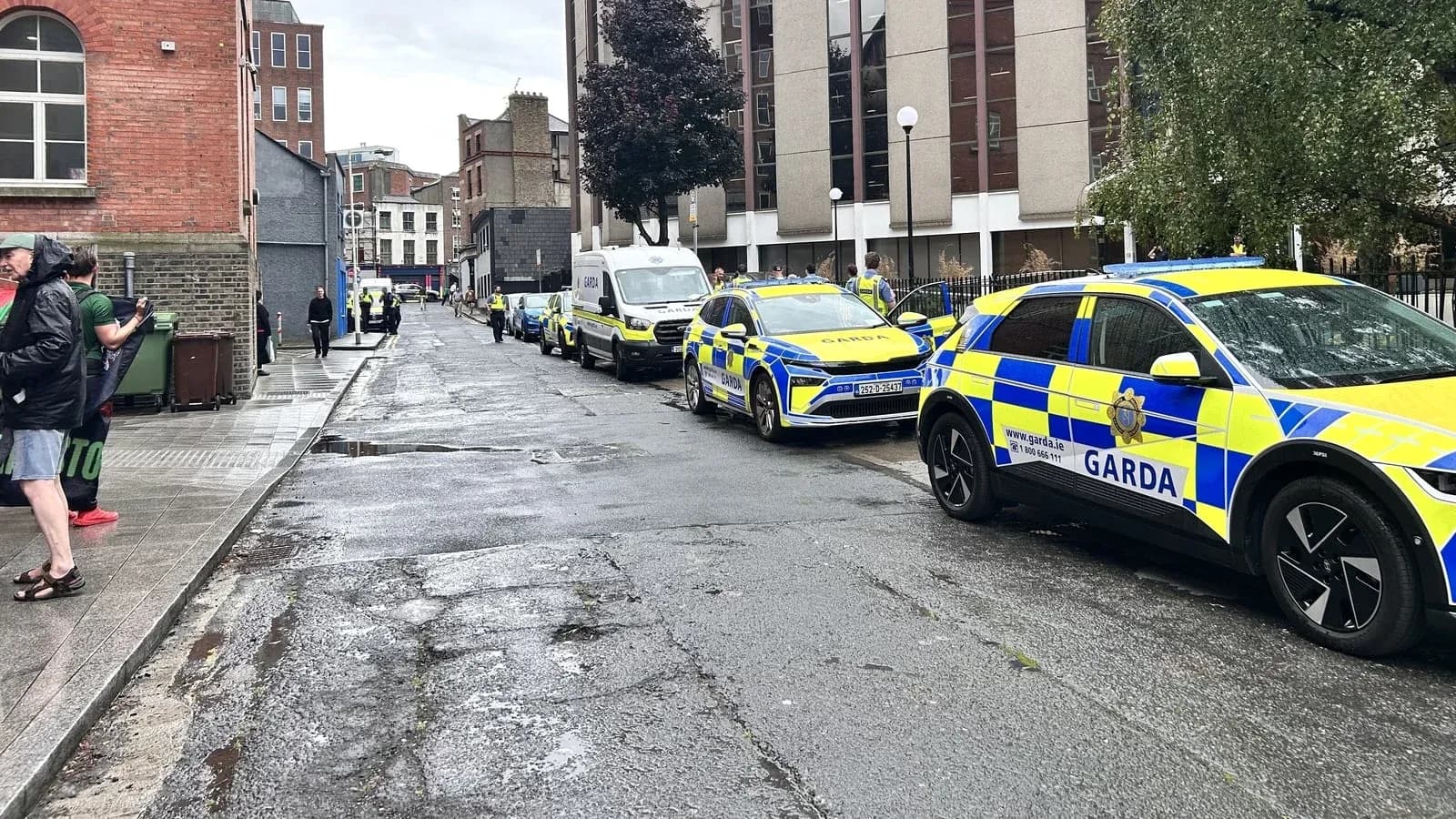
On Leeson Lane in Dublin, #StopTheGame activists entered and occupied the lobby of the Department of Culture, Communications and Sport, staging a sit-in aimed squarely at halting the two scheduled Nations League fixtures. Their presence did not last. The group were removed from the building, but not before making it clear this was only another step in a campaign they insist will escalate.
The message from the protesters is blunt. They accuse Ireland of complicity in “sportswashing” by facing Israel and argue that, as a state party to the International Criminal Court, the country has moral, humanitarian and legal obligations that should rule out these games entirely. For them, this is not about a fixture list. It is about what it means for Ireland to take the field at all.
Their statement pointed the finger at both the Government and the Football Association of Ireland. The activists claim the Government has leaned on the FAI to fulfil the Nations League commitments, naming Taoiseach Micheál Martin as “one of the first” to insist the games go ahead. In their view, that pressure has left the association “culpable” for pressing on.
On the political front, Independent Dublin City Councillor Cieran Perry backed the core demand while drawing a line around the players. He argued that the burden should not fall on the squad to decide whether the fixture is honoured. That responsibility, he said, lies with the FAI and the Government, who he believes should jointly choose to withdraw from both Nations League ties against Israel.
While the protests grow louder, the logistics of the matches have already shifted. Last month, the FAI confirmed that the Republic of Ireland’s home game against Israel will not take place on Irish soil. Instead, it has been moved to a neutral venue: Backa Topola in Serbia, to be played behind closed doors on Sunday 4 October.
The association framed the relocation as a practical decision. In its statement, the FAI Board said the game had been switched “due to operational challenges that could impact on the delivery of the game on home soil.” No further detail was offered, but the result is stark: a home Nations League fixture stripped of home advantage, supporters, and location.
The away leg remains in place. Ireland are due to face Israel first on 27 September at the Nagyerdei Stadion in Debrecen, Hungary, another game set against a backdrop of political tension far removed from the usual pre-match talk of form and tactics.
Inside Government, the stance is cooler, more procedural. A spokeswoman for the Department of Sport stressed that bodies such as the FAI operate independently and make their own calls on fixtures, whether domestic or international. The Government and Sport Ireland, she said, “have no role in the organisation of such fixtures.”
So the lines are drawn. Protesters outside the system, the FAI inside it, and a Government keen to keep its distance from the final decision. The fixtures, for now, remain on the calendar. The question is how much pressure will build before Ireland and Israel actually walk out to play.

