.svg&w=384&q=75 "GoalGist logo")
Paolo Maldini Resigns as Italy's Technical Director After Two Weeks
Paolo Maldini walked into the Italy job with authority. He walked out after just two weeks.
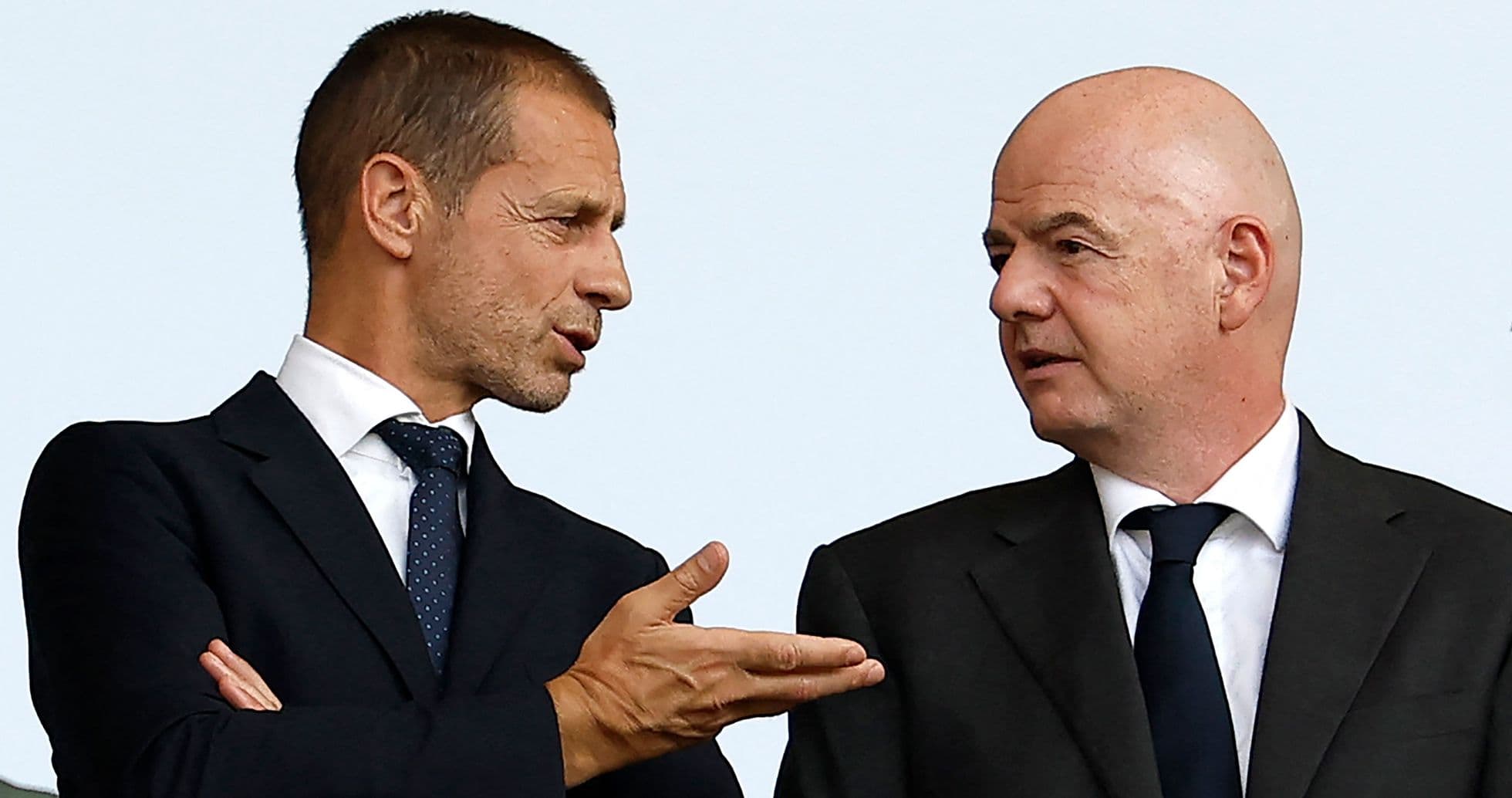
The former Azzurri and Milan icon resigned as Italy’s technical director on Monday, alongside his advisor Leonardo, after a brutal clash with FIGC president Giovanni Malagò over who should lead the national team. At the heart of it: Andrea Pirlo, Roberto Mancini, Antonio Conte and Thiago Motta – and a power struggle Maldini felt he had already lost.
A Vision Blocked
Maldini and Leonardo had a clear line. No Mancini. No Conte. Their first choice was Pirlo, a former teammate and symbol of a certain footballing idea, but also a figure now wrapped in political controversy because of his role as a brand ambassador for a Russian betting company.
Malagò shut that door. The political backlash, he felt, would be too strong. For Maldini and Leonardo, that wasn’t just a disagreement. It was a red flag about who really held the reins.
They pushed back with another name: Thiago Motta, fresh from impressive work at Bologna and once on Juventus’ bench. Multiple sources confirm they proposed him firmly. Malagò said no again.
The tension didn’t cool. It hardened.
Conte, Mancini and a Question of Trust
On Monday, the three men – Maldini, Leonardo and Malagò – sat down for what became their final conversation in office. Malagò tried to steer them away from Pirlo and toward other candidates, particularly Mancini and Conte.
For Maldini and Leonardo, those options carried too much risk.
With Mancini, the issue was trust. They pointed directly to 2023, when the coach resigned in the middle of the Euro 2024 qualifying campaign and within weeks resurfaced as Saudi Arabia boss. To them, appointing Mancini now would bring the same doubts they faced with Pirlo, only from a different angle: reliability, not politics.
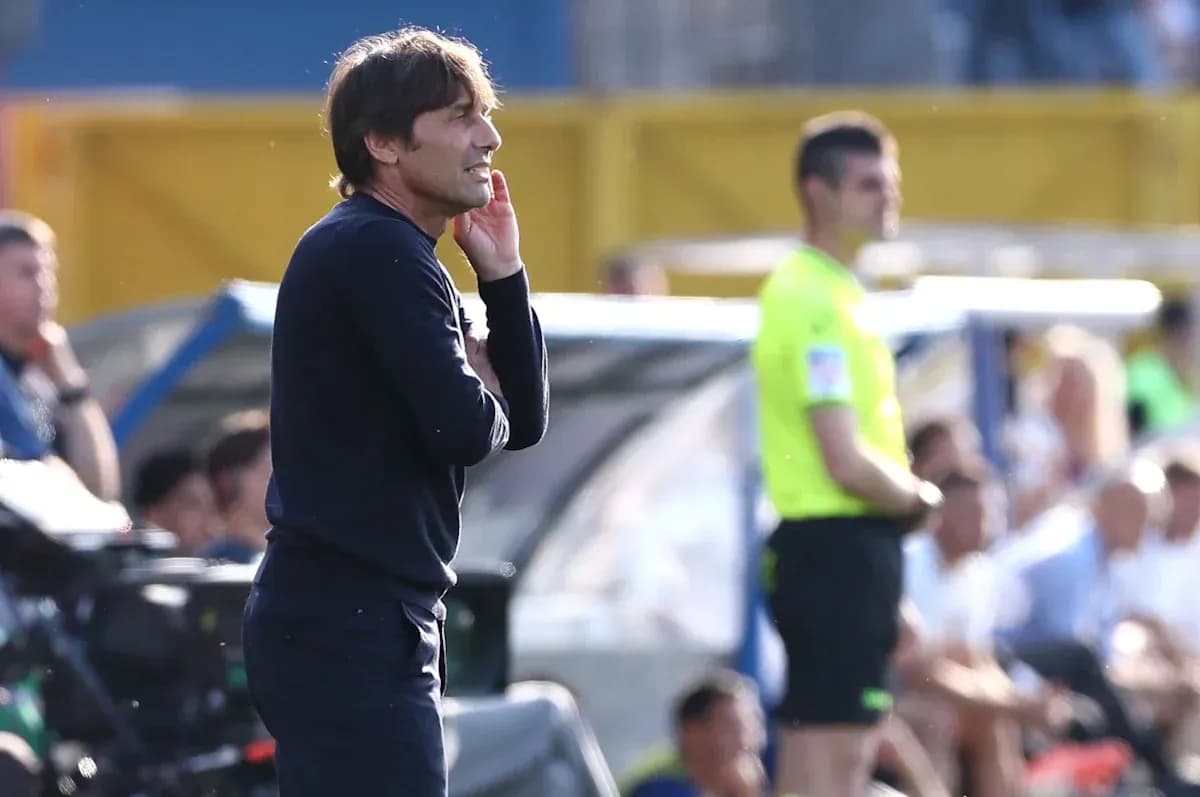
Conte raised a different concern. His record is decorated, his intensity unquestioned, but his career pattern is clear – short cycles, explosive exits, a tendency to move on after two years. With the 2030 World Cup still four years away, Maldini and Leonardo feared building a long-term project around a coach who rarely stays for one.
Malagò saw solutions. Maldini and Leonardo saw problems.
Autonomy Lost
The breaking point wasn’t just about names on a shortlist. It was about control.
By refusing Pirlo on political grounds, then resisting Motta and pushing hard for Conte or Mancini, the FIGC president sent a message Maldini and Leonardo could read easily: their autonomy in football decisions was limited.
They believed they had been brought in to shape the sporting project. Instead, they felt boxed in by external pressures and institutional calculations. Once that perception took hold, there was only one way out.
They chose the door.
On Monday, just a fortnight after taking charge, Maldini and Leonardo resigned, leaving Italy’s technical project back in the hands of the federation and Malagò, who is expected to confirm the new coach as the FIGC Council meets at 12:00 CET (11:00 GMT).
The Azzurri will soon have a new man on the bench. The more uncomfortable question is who, from now on, will truly be allowed to build the team behind him.