.svg&w=384&q=75 "GoalGist logo")
Omar Artan: From Airport Rejection to UEFA Super Cup Referee
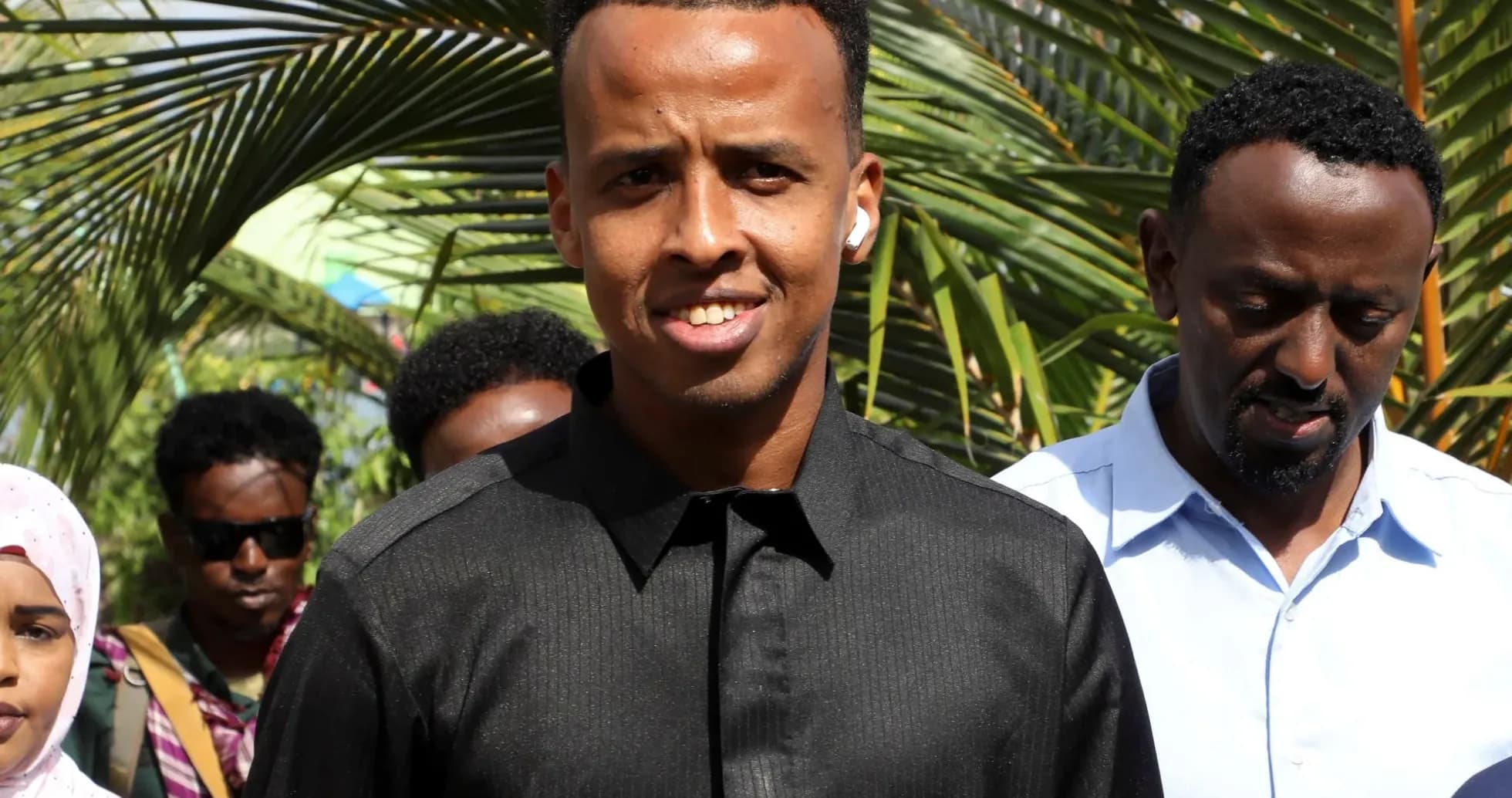
Omar Artan walks into the biggest assignment of his career on Wednesday night carrying far more than a whistle and a notebook.
The 34-year-old Somali, blocked from officiating at the World Cup after being refused entry to the United States, has been handed the UEFA Super Cup between Paris Saint-Germain and Aston Villa – and with it, a stage loaded with symbolism.
From airport rejection to European showcase
Just weeks before the World Cup kicked off in June, Artan’s story burst into the headlines for all the wrong reasons. Selected by FIFA as part of the tournament’s refereeing panel, he landed at Miami International Airport expecting a routine entry.
He never made it past the border.
A US Department of State official later told AFP that Artan was “associated with suspected members of terrorist organisations”, a designation that “made the traveller ineligible for admission to the United States”.
Artan flatly rejected the allegations. In Somalia, the reaction was furious. The referee who had risen from a country scarred by conflict to the elite list of World Cup officials returned home to a hero’s welcome and a sense of deep injustice.
“It was a very tough period,” he told UEFA in an interview. “A lot of people have sympathy for me, because when someone has been working a lot of years and is supposed to do something, and then can’t do it, it’s very challenging.”
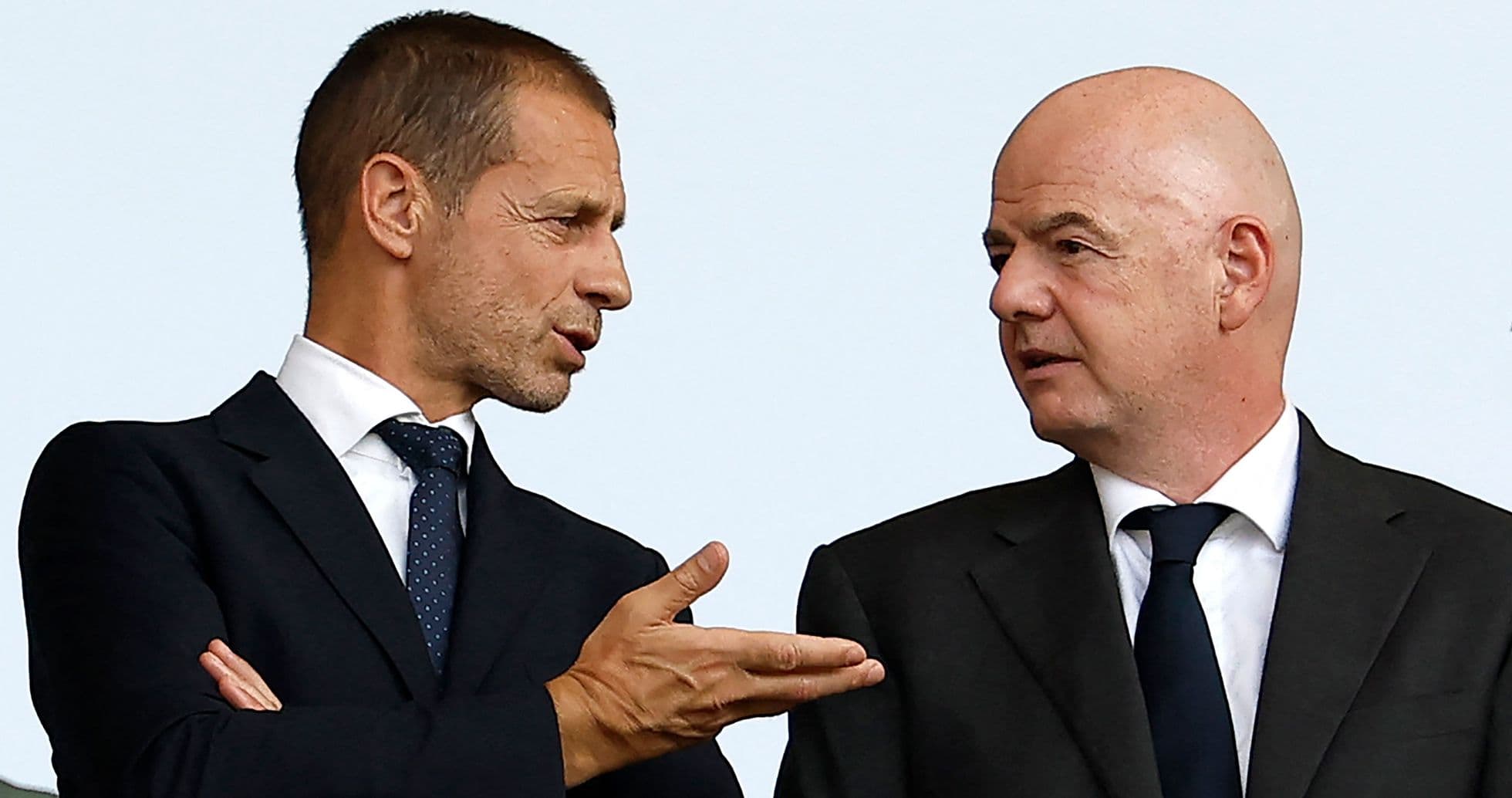
FIFA president Gianni Infantino called the situation “unfortunate”, adding: “We don’t control everything.” For Artan, that line cut to the heart of the matter: a career moment snatched away by forces far beyond the pitch.
UEFA steps in – and sends a message
The story might have ended there, with a referee marked by suspicion and a lost World Cup. Instead, UEFA stepped into the gap.
The European governing body announced that Artan would take charge of the Super Cup, pitting Champions League winners PSG against Europa League winners Aston Villa. On paper, it is a prestigious curtain-raiser to the European season. In reality, it is also a statement.
UEFA pointed to the cooperation agreement it signed in April with the Confederation of African Football (CAF), an accord designed to deepen ties and share expertise between the two confederations. Appointing Artan fits neatly into that framework: an African official trusted with a major European final.
But this is more than administrative follow-through. It is a political gesture in the middle of a simmering power struggle.
For two weeks, UEFA and Infantino have been locked in open conflict over the now-abandoned plan to open up the World Cup to private investors. The proposal collapsed under fierce resistance led by UEFA, which has even floated the threat of boycotting FIFA tournaments – World Cups included – to force Infantino out.
Against that backdrop, placing a referee sidelined by a World Cup controversy at the heart of a UEFA showpiece feels pointed. It underlines UEFA’s willingness to chart its own course and challenge FIFA’s handling of the global game.
A journey from Mogadishu to the Super Cup
For Artan, the politics swirl around him, but his story runs deeper than boardroom battles.
“I was lucky, but I have worked very hard to be here and I’m really proud,” he said. “As you can imagine, I grew up in a difficult situation, but it didn’t prevent me from pursuing my dreams.”
Earlier this year, he became the first Somali to officiate at the Africa Cup of Nations, a landmark moment for a country still rebuilding its footballing infrastructure. That breakthrough in 2024 marked him out as a trailblazer; the Super Cup now elevates him to an entirely different theatre.
This will be his first match in Europe. Not a low-key debut. Not a quiet trial run on a cold midweek night. PSG, Aston Villa, and a continental trophy on the line.
“Having adventures, making memories and learning new things is always great,” Artan said. “When we got this call it was, for me and my family, really a very, very happy moment.”
The contrast is stark. From the humiliation of being turned away at an airport, branded a security risk, to walking out in the middle of a European final, backed by one of football’s most powerful institutions.
On Wednesday, under the lights and the cameras, the arguments between UEFA and FIFA will fade into the background for 90 minutes. The focus will narrow to one man in the middle, a Somali referee whose career has been shaped by geopolitics as much as by the laws of the game.
His decisions will be scrutinised, his authority tested by two of Europe’s most ambitious clubs. That is the nature of elite refereeing.
But for Omar Artan, this match is something else as well: a reclamation of a moment that was taken from him, and a reminder that in football’s fiercest power struggle, the whistle can sometimes sound louder than the boardroom.