.svg&w=384&q=75 "GoalGist logo")
Mexico's World Cup Opener: A Night of Celebration and Hope
The warning signs were there the night before a ball was even kicked.
Street vendors on every corner of Mexico City suddenly ran low on green jerseys as fans scrambled for last-minute colours. Hundreds gathered around El Ángel de la Independencia, that towering monument in the middle of Reforma, turning the traffic island into an open-air rehearsal for the real show to come. Songs, drums, dancing, flags. Car horns answered the chants deep into the early hours.
If this was the eve of Mexico’s World Cup opener, you knew the sequel would be wild.
A city turns into a fan zone
The players did their part first. A controlled, clinical 2-0 win over South Africa in the tournament’s curtain-raiser across Mexico, Canada, and the USA. Nerves soothed. Hopes inflated.
Once the final whistle went, the city flipped a switch.
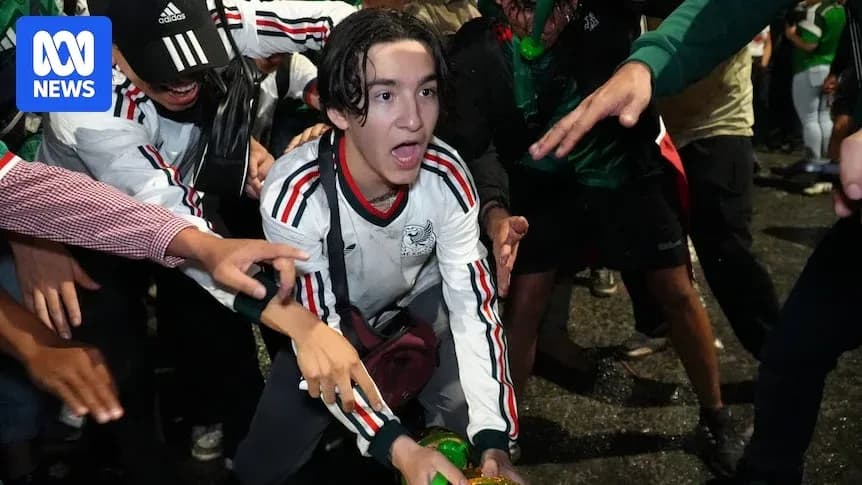
Paseo de la Reforma, normally a heaving artery of buses and cars, morphed into a pedestrian river of green shirts and painted faces. It felt less like a boulevard and more like a World Cup carnival strip. Beer flew through the air in foamy arcs. Cans of fake snow hissed over strangers and friends alike. Conga lines snaked past plastic World Cup trophies being held aloft as if they were the real thing.
Food stalls did roaring trade, the smell of tacos and grilled meat cutting through the haze. Stands selling scarves, flags, and knock-off jerseys lined the pavements. Glow sticks flashed in every colour. A free concert turned the whole thing into a street festival with a soundtrack.
For an outsider, it might look like Mexico had just won the whole tournament. For Mexico, this is simply how it looks when the men’s national team wins a big one. They flood to their own version of Fed Square, a victory monument on a chaotic roundabout, and they stay there. They chant. They dance. They outlast the night.
Roars, cramps, and a teenage prodigy
The energy had been building long before kick-off.
Outside the stadium, traditional performers worked the crowds, drummers and dancers whipping up the noise. Inside, 80,000 people crammed in and turned up the volume. The opening ceremony became a mass singalong, with Shakira — World Cup royalty by now — drawing the loudest voices.
But those deep, guttural roars, the ones that seem to rattle your ribs, were saved for the goals.
Raúl Jiménez’s header carried extra weight. Years after the horrific head injury that threatened his career, his leap and finish detonated a sound that felt part celebration, part collective relief. The stadium didn’t just cheer; it exhaled.
Then came the future.
When 17-year-old Gilberto Mora stepped onto the pitch as a second-half substitute, the noise rose again, different this time. Hopeful. The stands caught his name in unison, chanting it with the kind of fervour usually reserved for legends, not teenagers. It was a welcome that said: this is the kid who might change everything.
On the touchline, coach Javier Aguirre, a veteran of Mexico’s 1986 World Cup on home soil, watched his players ride the emotional wave and pay for it physically.
“The start of the World Cup, is a brutal scenario, it makes your legs shake a little,” he said. “You come from the training centre to here, the people, the fans are in the street and that tells the player, ‘Wow, wow, wow.’
“Never, never in 25 matches we had one case of cramps, today we had three players with cramps. It’s a very strong emotional state.”
The squad now has to come down from that high, reset, and prepare for the next group game. The supporters? They have no such obligation. Their lid is off, and it’s staying off.
“It means everything. It means a lot,” one fan said amid the chaos. “It’s putting us back on the map. It shows that Mexico is present in the world of football.”
Infantino’s “chillax” moment
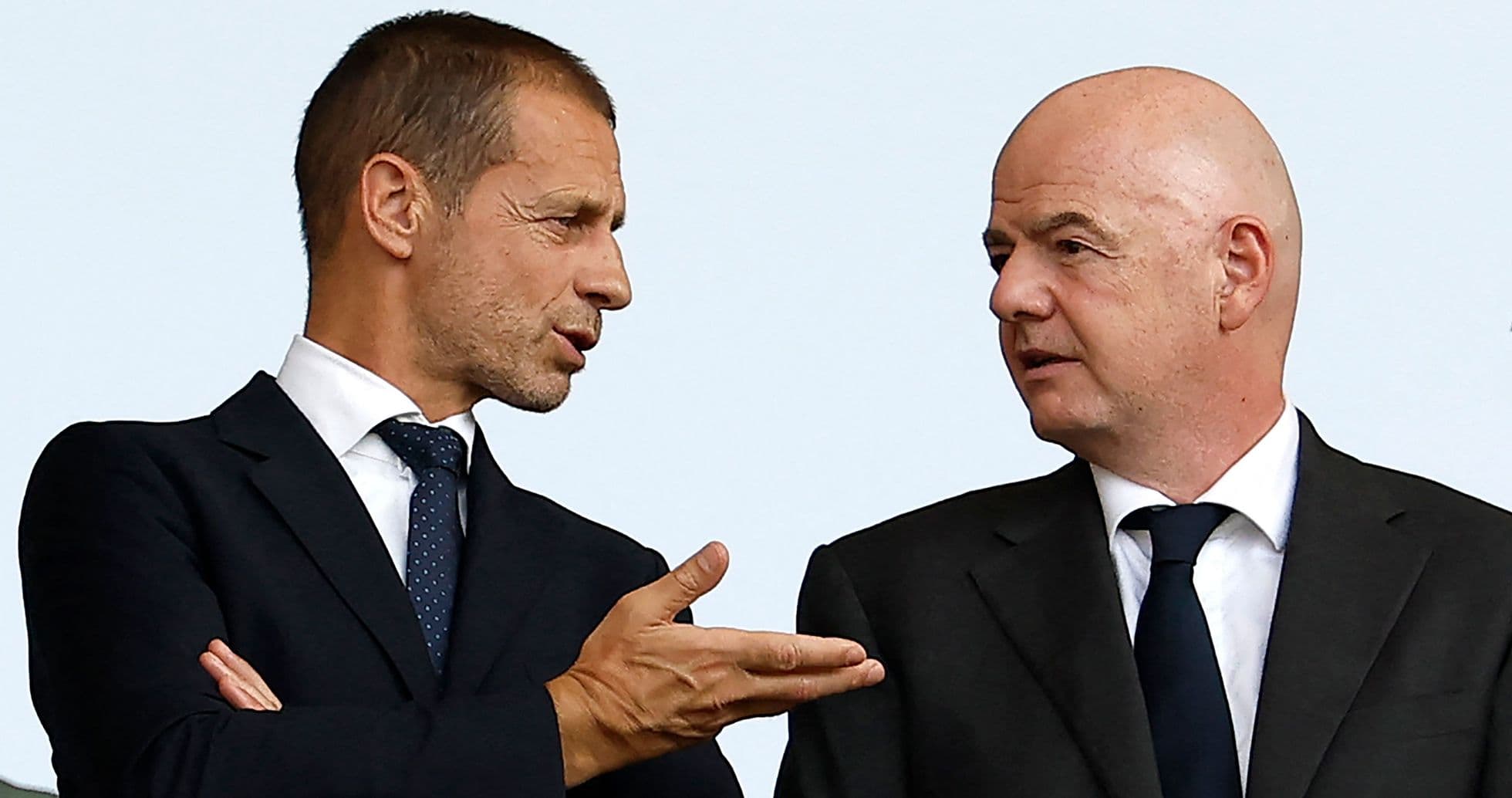
Somewhere else in the city, Gianni Infantino could finally breathe.
The FIFA president had spent the previous day bristling at criticism of the organisation and the build-up to this cross-continental tournament. He reached for a word from another era, telling everyone to “chillax” and let the football speak.
Now, with Mexico partying and the World Cup properly underway, his wish has, for the moment, been granted. The chill pills, as he might put it, have been swallowed. The party is on.
But the questions haven’t vanished.
Mexico lives and breathes this sport, yet across the border the picture changes. In Canada and the United States, “soccer” still fights for attention. Yes, the global superstars and heavyweight clashes will pack out stadiums. The doubt sits elsewhere: will fans pay top dollar to watch the lesser-known nations, the so-called off-Broadway acts?
And in the United States, there is another undercurrent. Will Immigration and Customs Enforcement — ICE — cast a shadow over what is supposed to be a celebration of global movement and mingling?
Those debates will roll on as the tournament stretches across three vast countries and multiple time zones. For now, Mexico has set the tone — on the pitch with a 2-0 win, and off it with a night that felt like a national holiday.
The football has started talking. The world will decide how loudly it wants to listen.