.svg&w=384&q=75 "GoalGist logo")
Coventry City, Ipswich Town, and Hull City: Premier League Return
The Premier League’s doors swing open again, and three old names step back into the glare. Coventry City, Ipswich Town and Hull City have fought their way out of a brutal Championship season. Now comes the hard part: staying here.
They arrive with very different stories, very different scars, and wildly different chances of survival.
Coventry City: Smart, sharp, and finally back
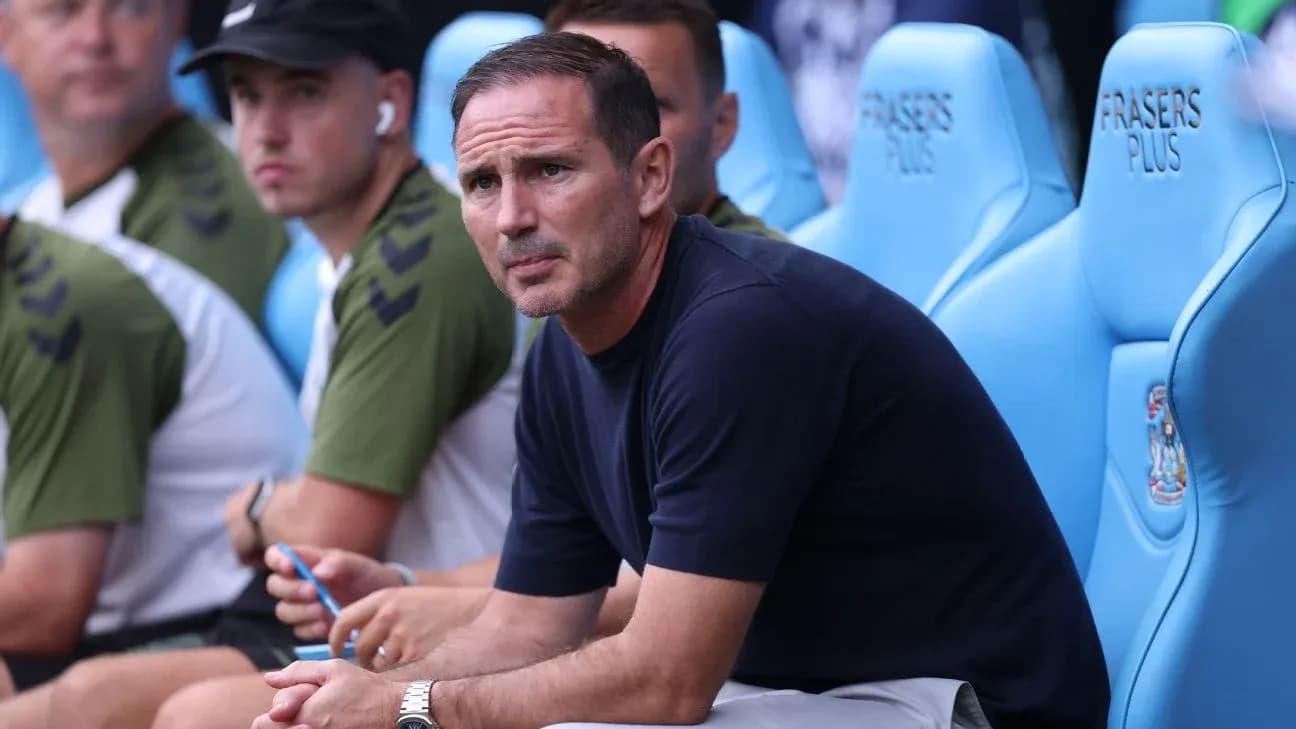
Twenty-five years. That’s how long Coventry City have been away from the top flight. They return not as plucky playoff winners, but as commanding champions, built on years of shrewd recruitment and, at last, the right man in the dugout: Frank Lampard.
How they did it
Lampard’s Coventry didn’t just edge promotion; they tore through the division. Ninety-seven goals scored, the fourth-highest tally ever in a 46-game Championship campaign. Only 45 conceded, the fewest in the league. They wrapped up the title with four games to spare and finished 11 points clear.
This was not a team that scraped by. It was a side that imposed itself, week after week.
How they play
Coventry under Lampard are unapologetically front-foot. They attack in waves, but without leaning on a single talisman. Seven different players hit seven or more league goals last season. They peppered opposition goalkeepers, ending with the most shots on target in the division and ranking second for big chances created.
Lampard typically lines them up in a 4-2-3-1, though he has dipped into a 4-3-3 when the game demanded it. The idea is clear: win the ball, play forward, keep the pressure on. It’s brave. In the Premier League, it will be tested like never before.
The key man
Jack Rudoni is the one to keep an eye on. Seven goals, seven assists in the Championship last season only tell part of the story. He roams, he crashes into the box, he links play and carries a genuine threat from midfield.
For regular Championship watchers, Rudoni has long looked like a player with Premier League tools. Now he has the stage to prove it.
The statement signing
Coventry’s board have backed their manager aggressively. They’ve broken their transfer record three times this summer, the latest to land Caleb Yirenkyi from Nordsjaelland for £23.1 million.
Yirenkyi arrives with World Cup experience for Ghana, having played in all four of their games and scored against Panama. He operates from the base of midfield, ideally as a No. 6, snapping into tackles, carrying the ball out of tight spaces and launching attacks. If Coventry are to avoid being overrun by Premier League midfields, he will be central to that resistance.
Verdict
Of the three promoted clubs, Coventry look the best equipped to survive. Lampard has built unity and clarity. The recruitment has been targeted and ambitious. It may still come down to fine margins and late-season nerves, but they have a genuine shot at clinging on and building something bigger from there.
Ipswich Town: Back again, but bruised
Ipswich Town are back after just a single season away from the Premier League. That sounds like momentum. The reality is more complicated.
They were relegated in 2024-25 after a whirlwind rise — back-to-back promotions, then a brutal reality check as they won only four games and finished 19th with 22 points. The architect of their revival, Kieran McKenna, couldn’t keep them up. Now he’s gone.
Gary O’Neill steps in with one job: stop the yo-yo.
The road back
Ipswich’s promotion this time came with a very different feel. They built it from the back. Seventeen clean sheets. Just 47 goals conceded, the second-best defensive record in the Championship.
They were still nowhere near Coventry’s level, but they became stubborn, organised and hard to break down. That resilience is O’Neill’s starting point.
What they’ll look like
McKenna dialled down the chaos of their previous Premier League stint and embraced pragmatism. O’Neill, judging by his previous work, is unlikely to rip that up.
He often favours a compact 4-4-2, with tight lines and clear roles. Expect Ipswich to be difficult to play through, disciplined without the ball and ready to scrap for every point. In a league where they will be second-best on talent most weeks, structure will be everything.
The key man
Azor Matusiwa hasn’t featured in pre-season yet as he works his way back to fitness, but his importance is obvious. Ipswich will spend long spells without the ball. They need someone who thrives in the ugly work — pressing, tackling, covering ground, closing gaps.
Matusiwa does exactly that. If he gets fit and stays fit, he could be the heartbeat of a survival push.
The big gamble up front
Survival usually comes down to goals, and Ipswich have made their boldest bet there. Emersonn arrives as a club-record signing at £24m from Toulouse.
The numbers don’t scream guaranteed success: six league goals last season in France. Yet Ipswich have seen enough to believe in his ceiling. He’s young, he has shown flashes of real talent, and he steps into a side where four players hit double figures in the Championship last term. The leap to Premier League level is steep. Emersonn has to climb it quickly.
Verdict
The loss of McKenna looms over everything. His fingerprints were on Ipswich’s entire resurgence, from style to mentality. O’Neill inherits a decent core, but also the weight of that absence.
Right now, the balance tilts towards another relegation fight that might be one step too far. The squad has spirit and structure, but whether it has enough top-flight quality is another question entirely.
Hull City: The great escapees who kept running
Hull City’s route to the Premier League feels almost surreal. Two seasons ago, they survived relegation to League One on goal difference. They started last season under a transfer embargo. They only squeezed into the playoffs with a win on the final day.
And yet here they are, promoted, having ridden a wave of grit, timing and sheer stubbornness.
The unlikely climb
Hull’s numbers don’t look like those of a typical promoted side. They conceded 66 goals in the Championship, the fourth-worst defensive record in the division. They were porous, inconsistent and often hanging on.
But when it mattered, they stood up. They performed well against top-10 teams and showed a toughness away from home in those big games. Then came the playoffs, where something clicked. Hull didn’t concede a single goal across the knockout ties, including a 1-0 win over Middlesbrough in a final overshadowed by “Spygate” controversy off the pitch.
From chaos to clean sheets, they found a way.
Jakirovic’s imprint
Sergej Jakirovic arrived as a relative unknown to English football. He hasn’t stayed that way for long. Hull usually line up in a 4-2-3-1, but Jakirovic has shown a sharp tactical edge, switching to a back three with wing-backs when the moment demands it — a tweak that hurt Millwall badly in the playoff semifinal.
He talks constantly about the collective. For Hull, that’s not a cliché. It’s a necessity. They don’t have the star power of others, so the unit has to carry them.
The driving force on the left
Ryan Giles has become one of Hull’s most important players from left-back. His surges forward, his delivery and his set pieces turned him into their main creator last season.
Eight assists in the Championship only hint at his influence. In a team that may struggle for sustained possession in the Premier League, his crossing and dead-ball quality could be Hull’s sharpest attacking weapon.
Reinforcements at the back
Hull’s summer business made their priorities clear: fix the defence or suffer. The headline move is Konstantinos Tzolakis from Olympiacos, another club-record signing.
Given how often Hull were exposed last season, his performances in goal could define their year. If he settles quickly, he gives them a chance to absorb pressure they simply couldn’t handle before.
Lucas Gourna-Douath also arrives with intrigue. Once tipped for big things, the 23-year-old midfielder now has a fresh platform. If he rediscovers that early promise, Hull might have landed a serious player at a crucial age.
Verdict
Strip away the romance of their story and the picture is stark. Hull look, on paper, like one of the weakest squads to come up in recent Premier League history. The defensive record is a glaring red flag. The question of where the goals will come from is just as loud.
Quality, experience, depth — they’re short in all three areas. The fight and resilience that dragged them this far will be tested to breaking point. The Premier League has punished stronger squads than this.
The season ahead won’t just be tough. It will ask whether grit alone can keep a team from being swallowed whole.